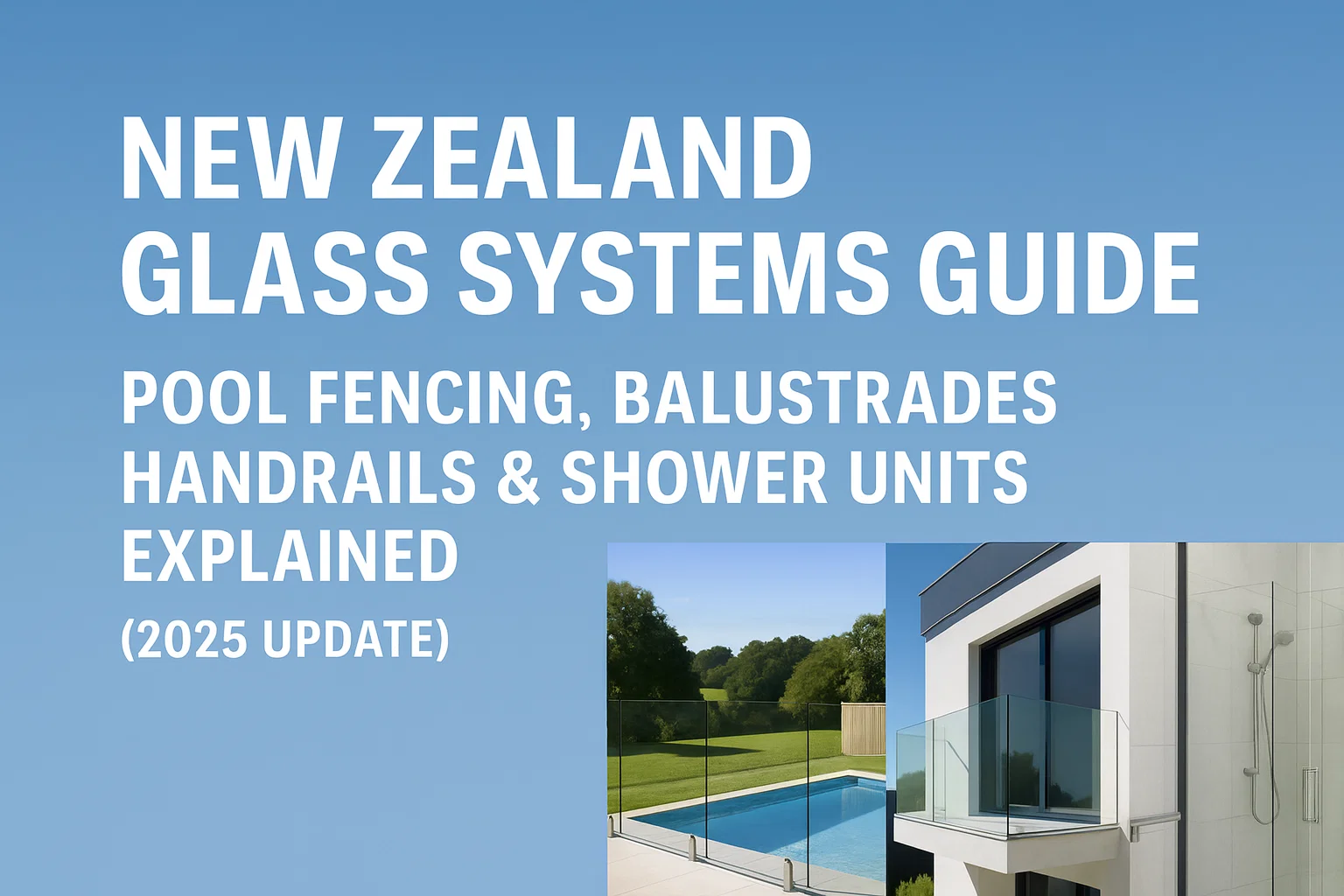
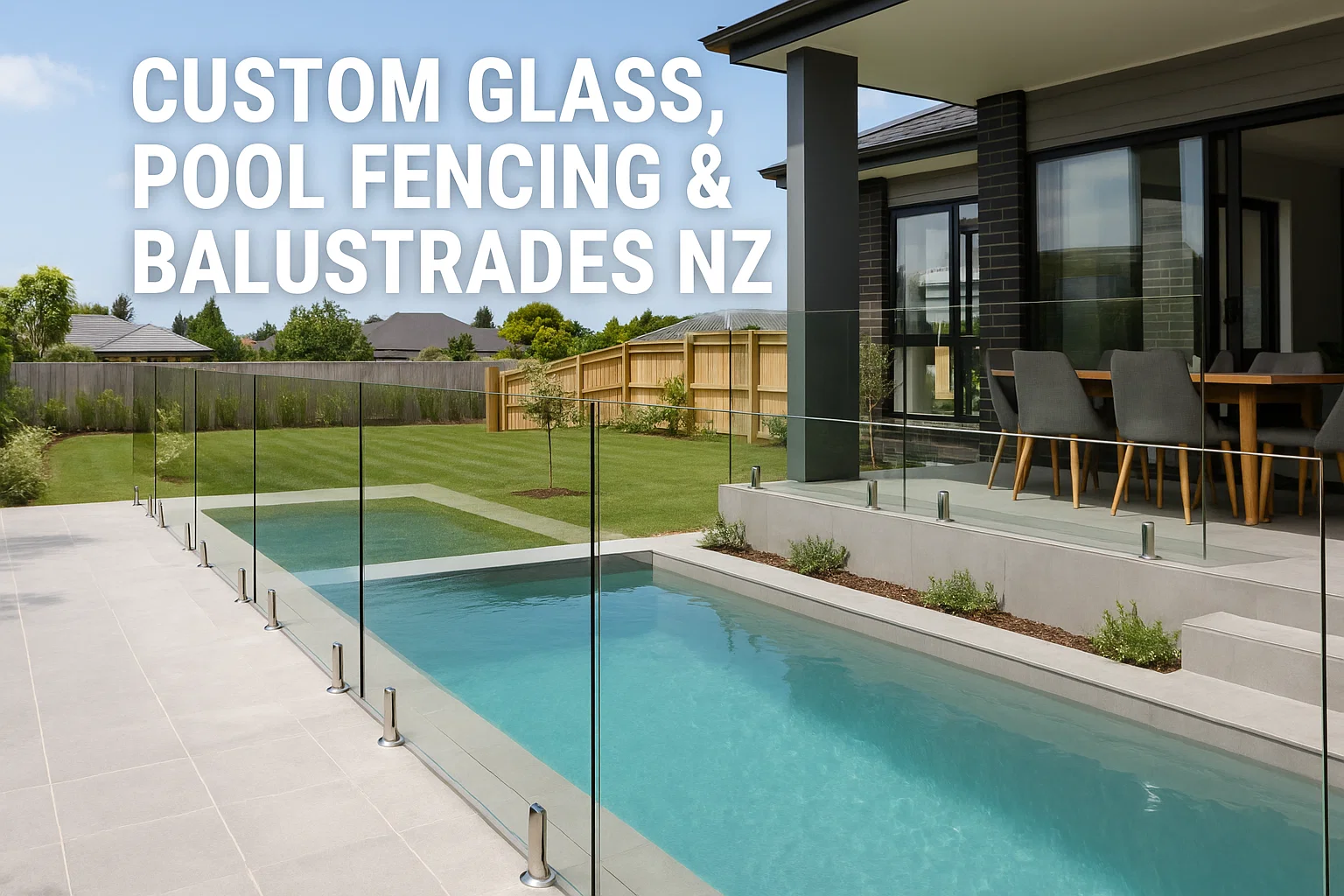
New Zealand architecture has evolved dramatically in the last decade. Modern homes in cities like Auckland, Wellington and Christchurch increasingly prefer open views, coastal design, and seamless indoor-outdoor transitions. One of the most visible trends is the fast growth of glass-based building systems—especially glass pool fencing, glass balustrades, walk-in shower units, modern handrails and complete glass hardware systems.
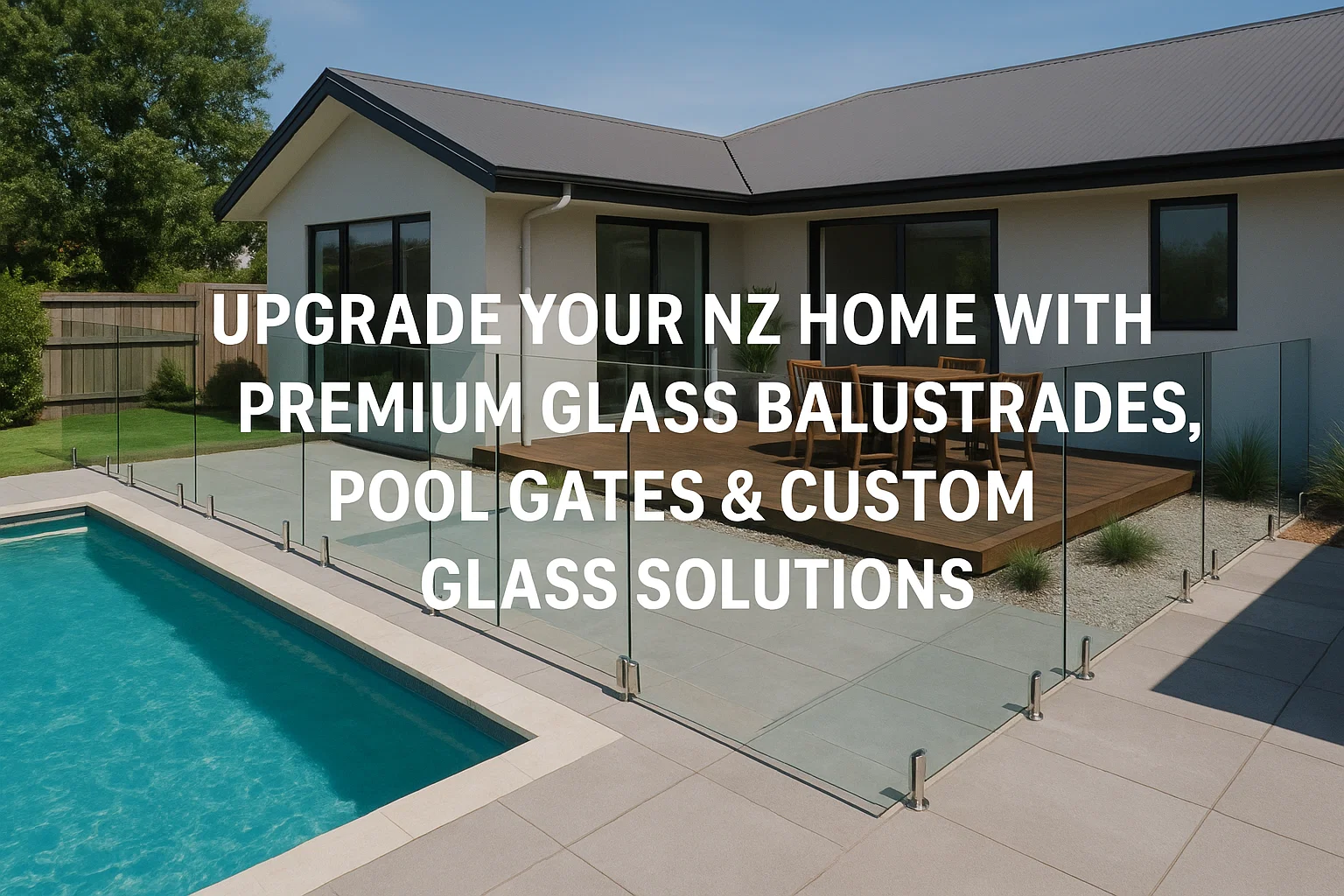
In the past, fencing and balustrades mostly relied on timber, aluminium or steel. Today glass is the dominant choice across new builds and renovations. Property owners want safety without blocking views, especially around pools, balconies and decks. But beyond aesthetics, New Zealand has strict building and pool fencing regulations that shape material choices. High-strength toughened glass, supported by certified hardware, is now considered one of the most compliant, reliable and visually appealing solutions.
Why Glass Is Replacing Traditional Materials in New Zealand
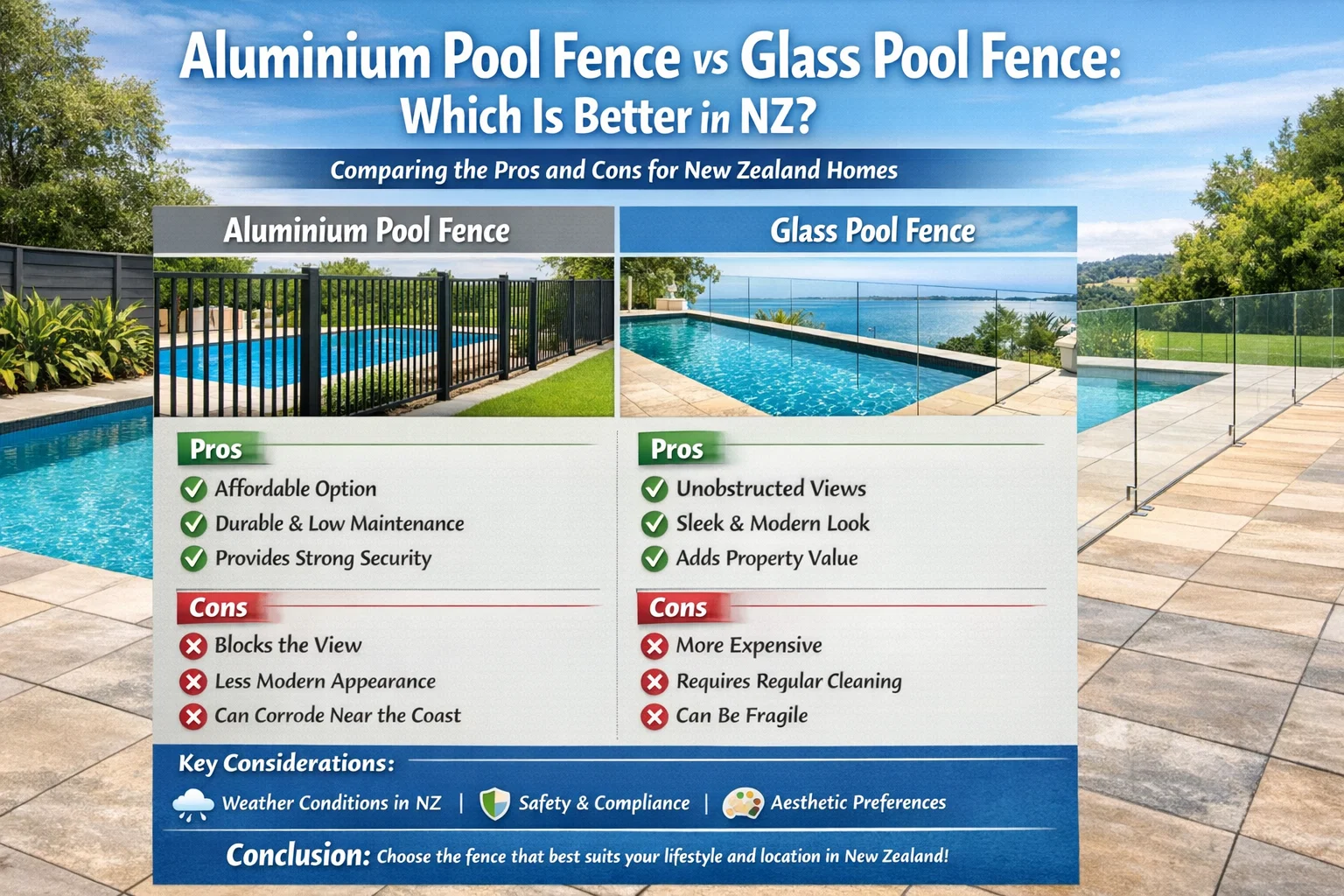
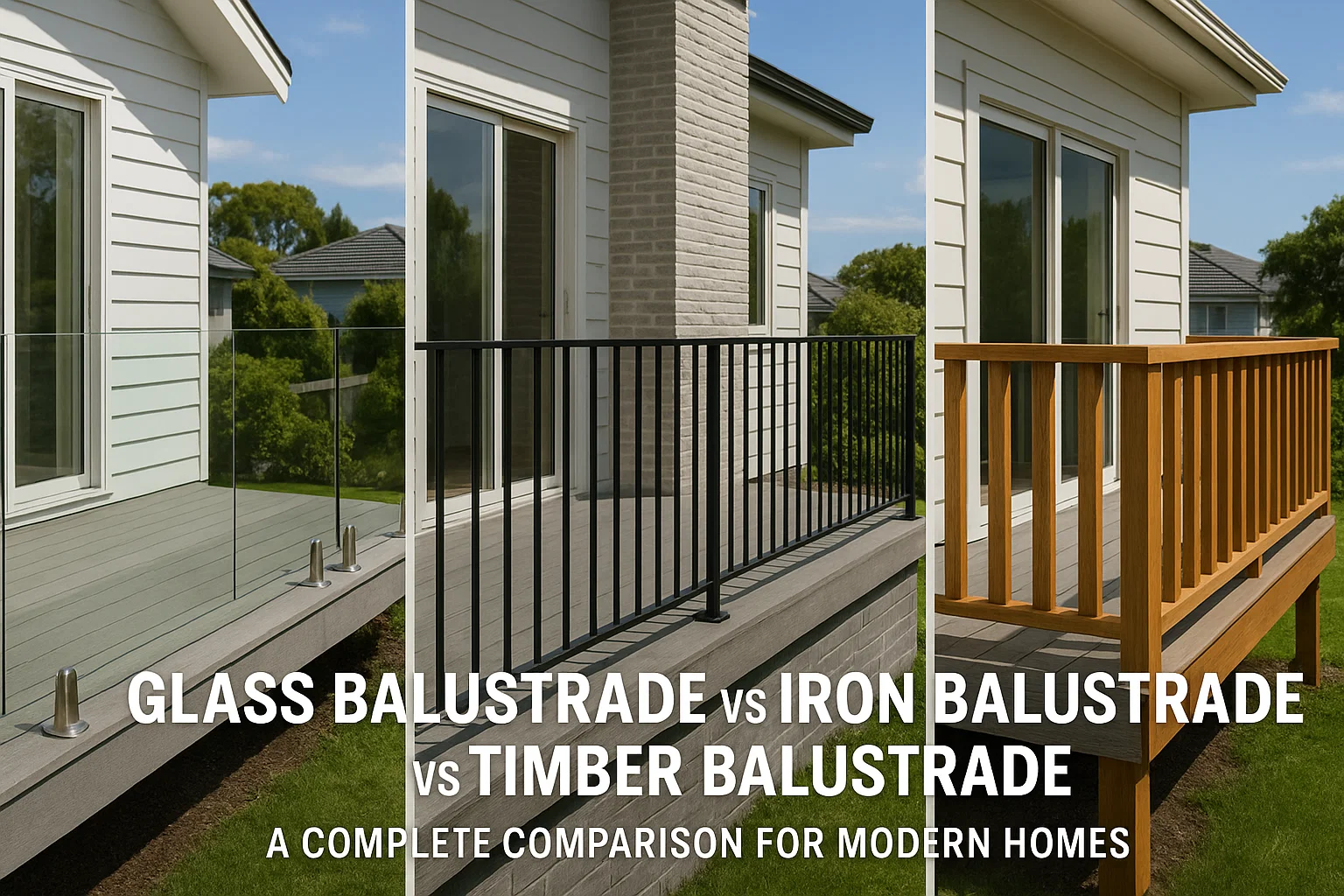
Most homeowners and builders choose glass for three reasons: modern aesthetics, long-term durability and better building code compliance. Timber fencing deteriorates quickly under coastal weather. Steel railings block views and require ongoing painting or powder coating. Aluminium is popular but still visually heavier than frameless glass.
By contrast, glass is:
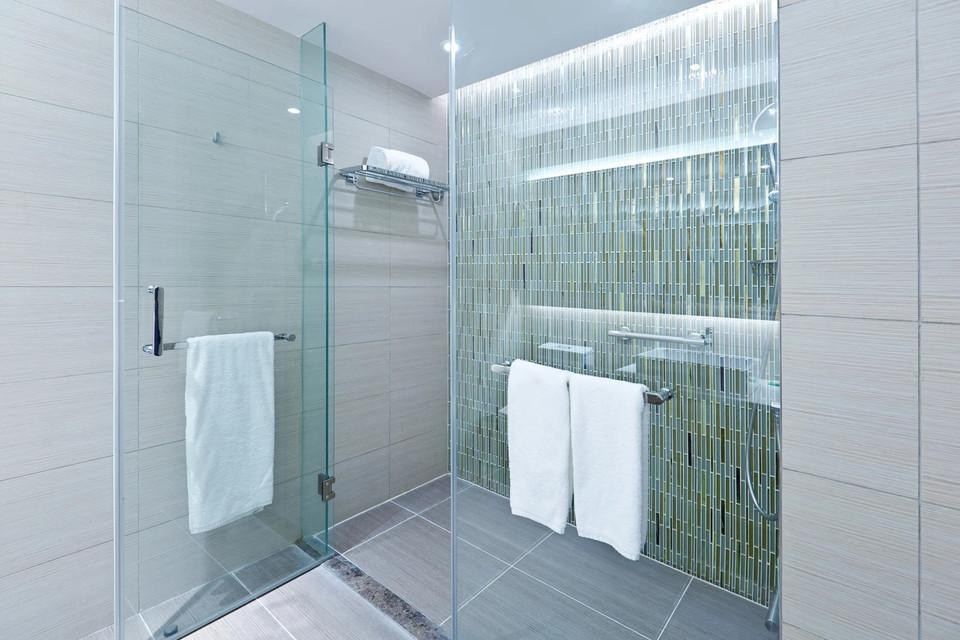
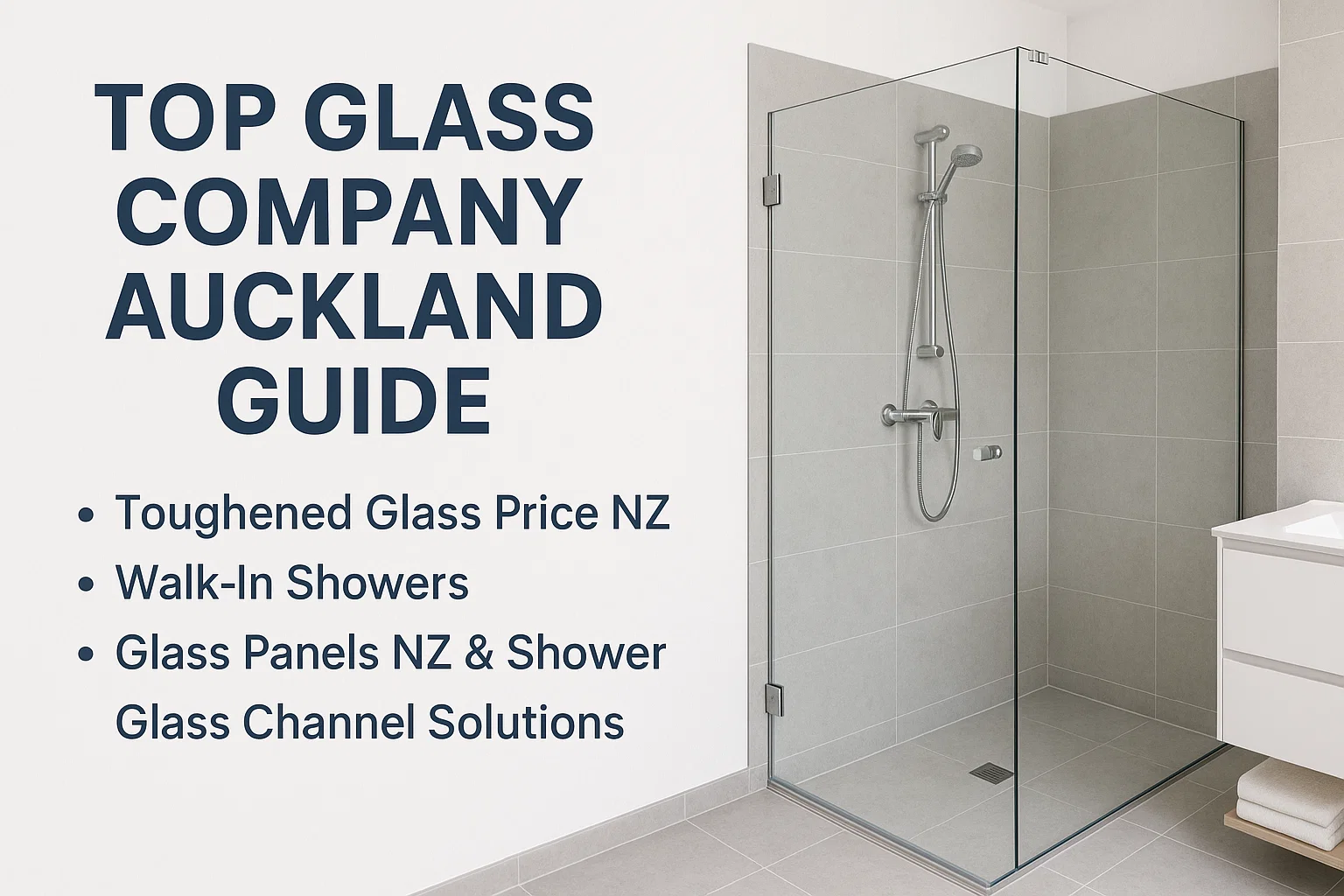
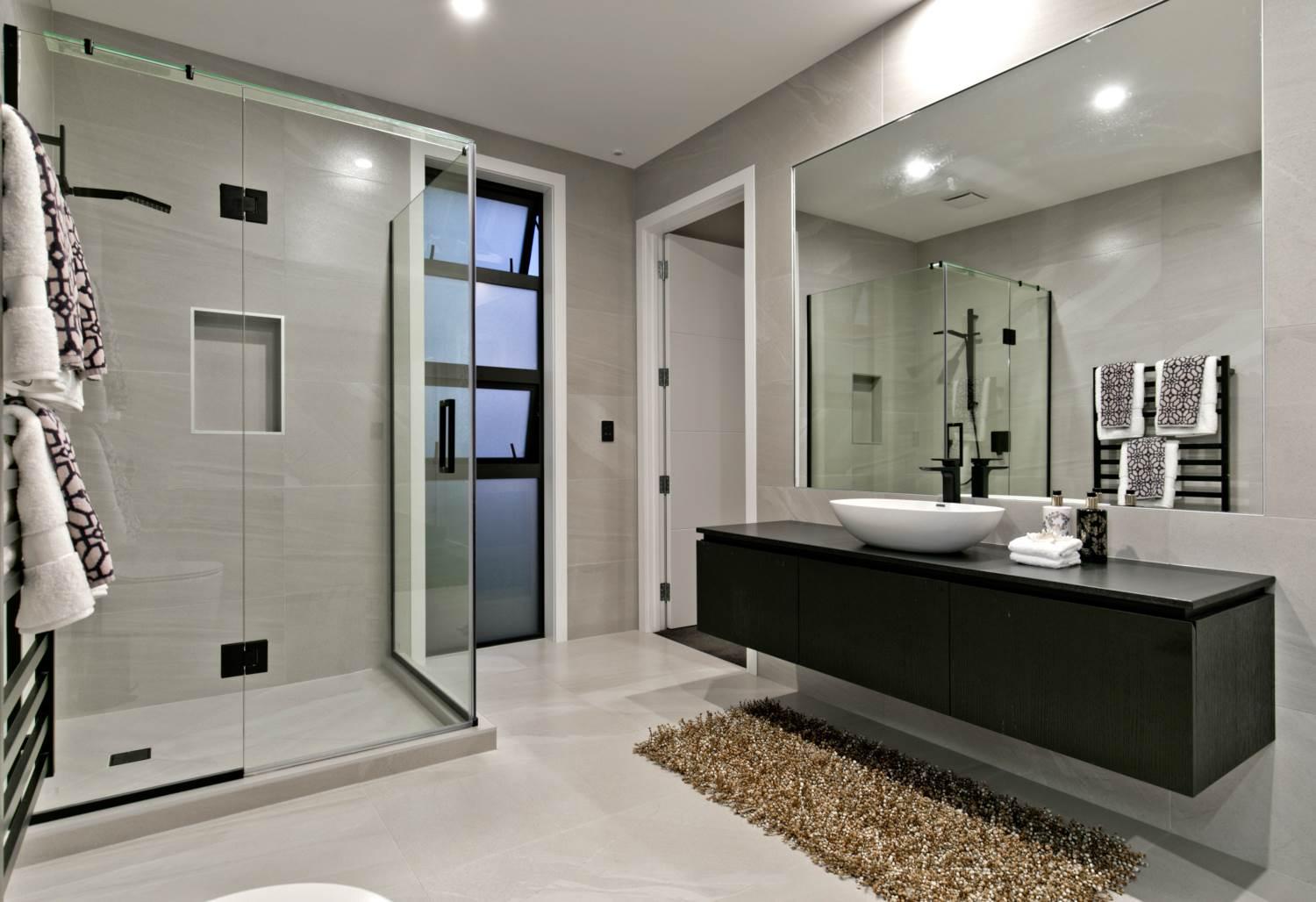
Modern Glass Shower Systems in New Zealand Homes
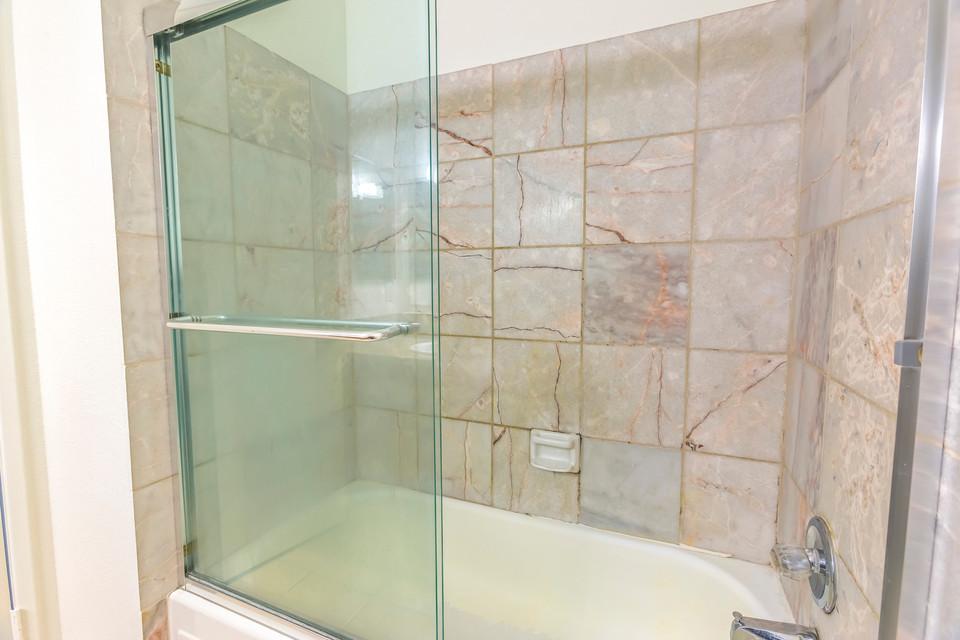
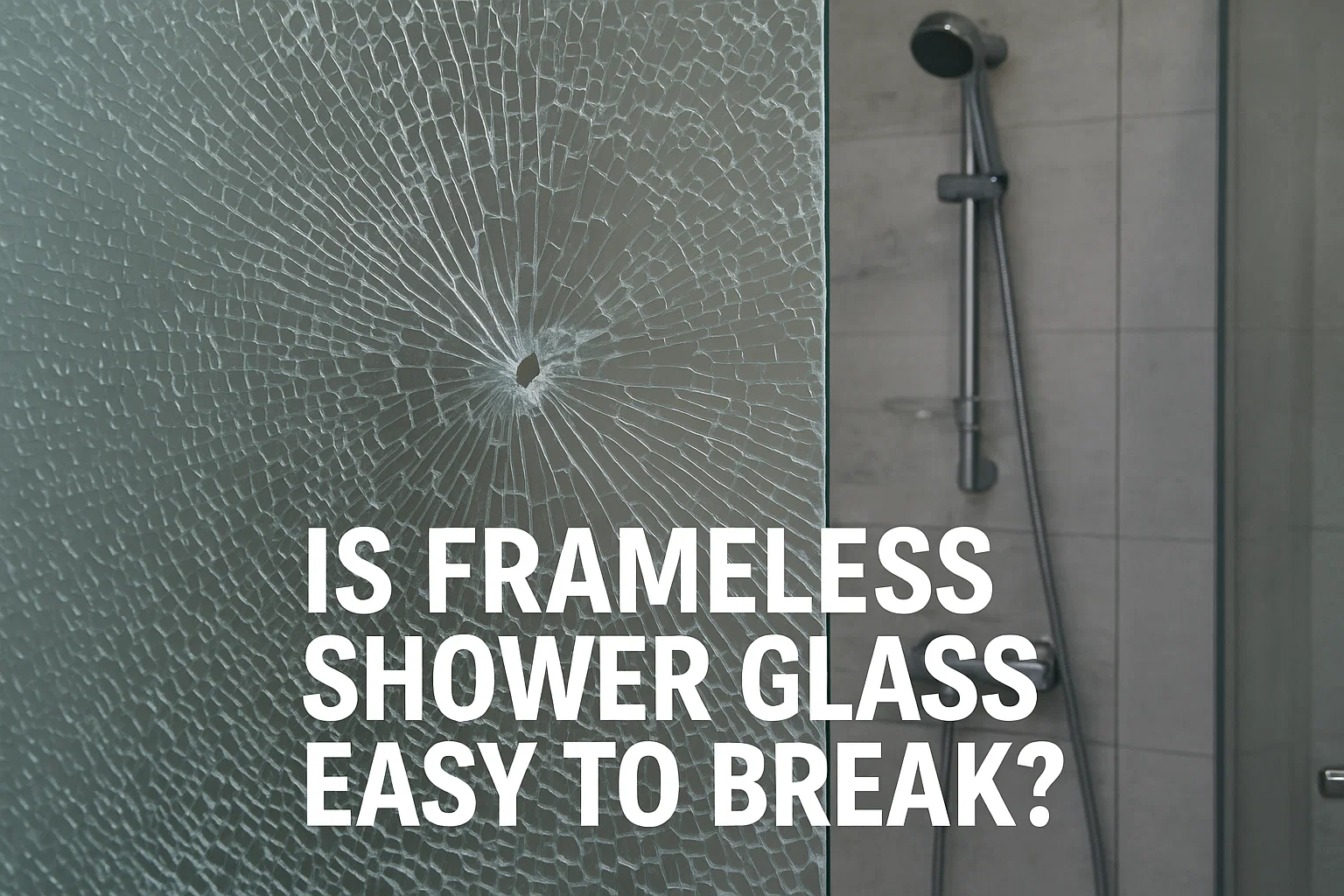
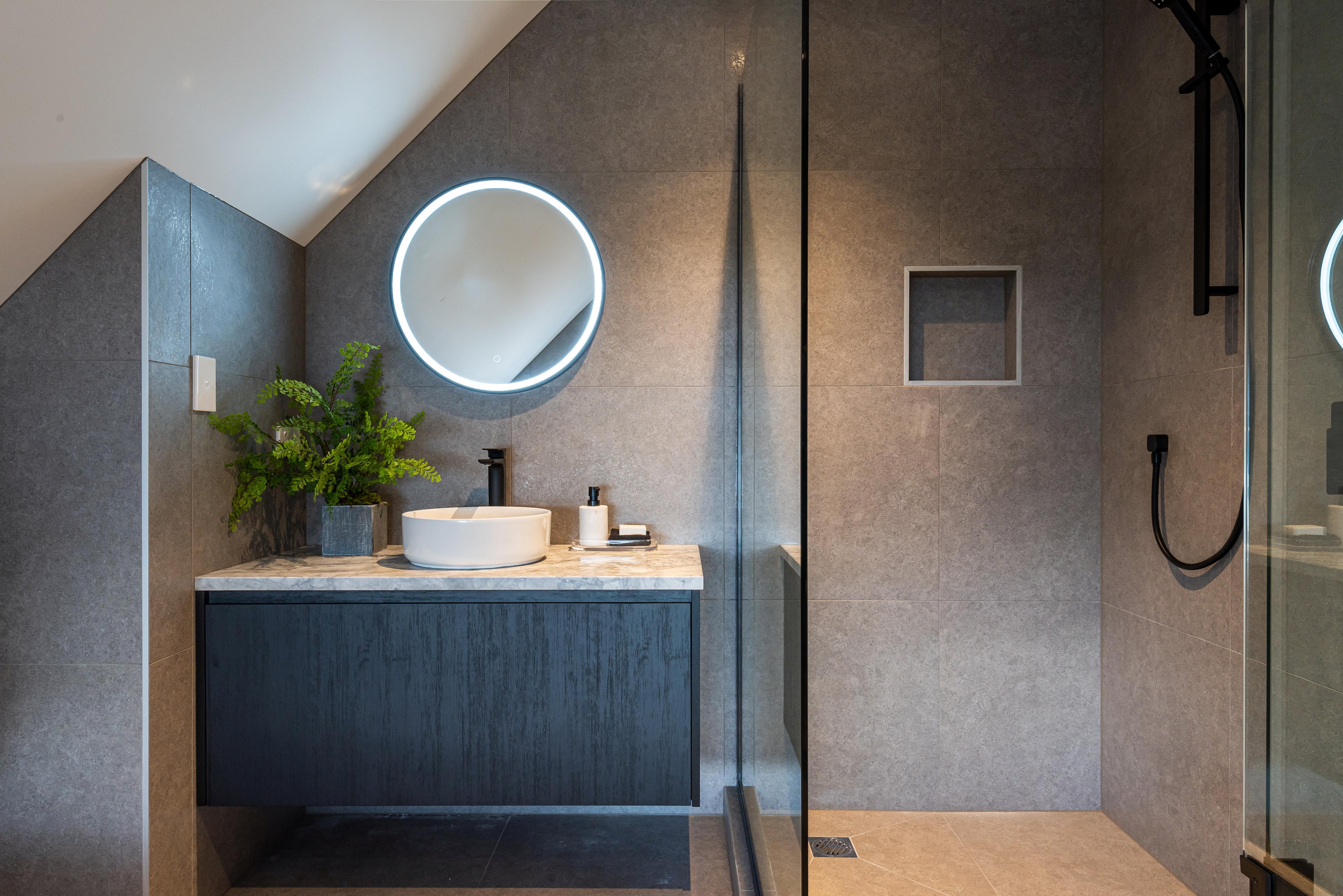
One of the fastest growing categories at Grand Glass is the comprehensive glass shower hardware and shower unit range. These complete shower systems are designed to simplify bathroom renovations by supplying matching glass panels, hinges, sliders, clamps and waterproofing accessories in a single order. This ensures compatibility, easier installation and a premium architectural finish.
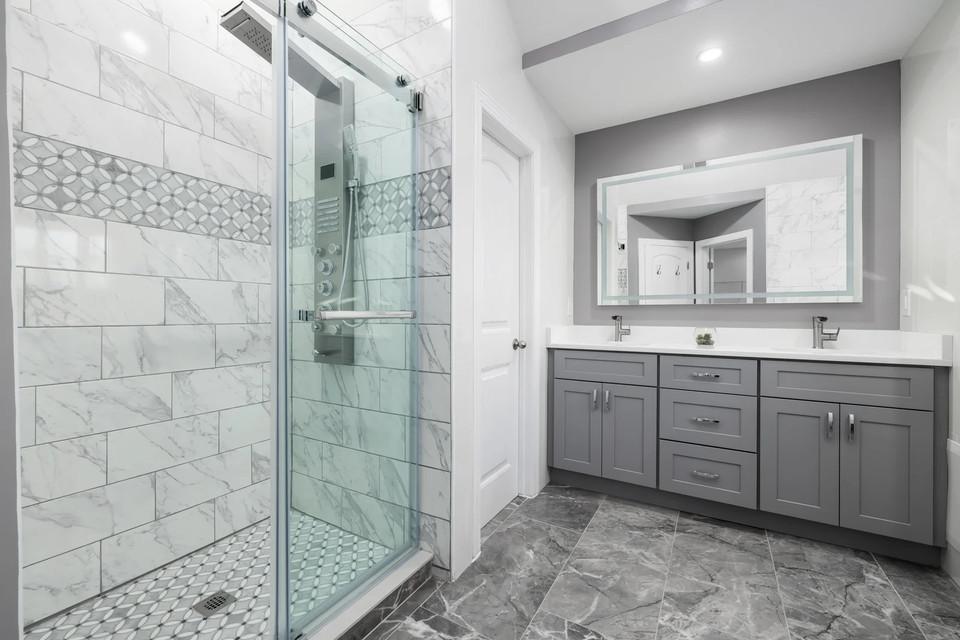
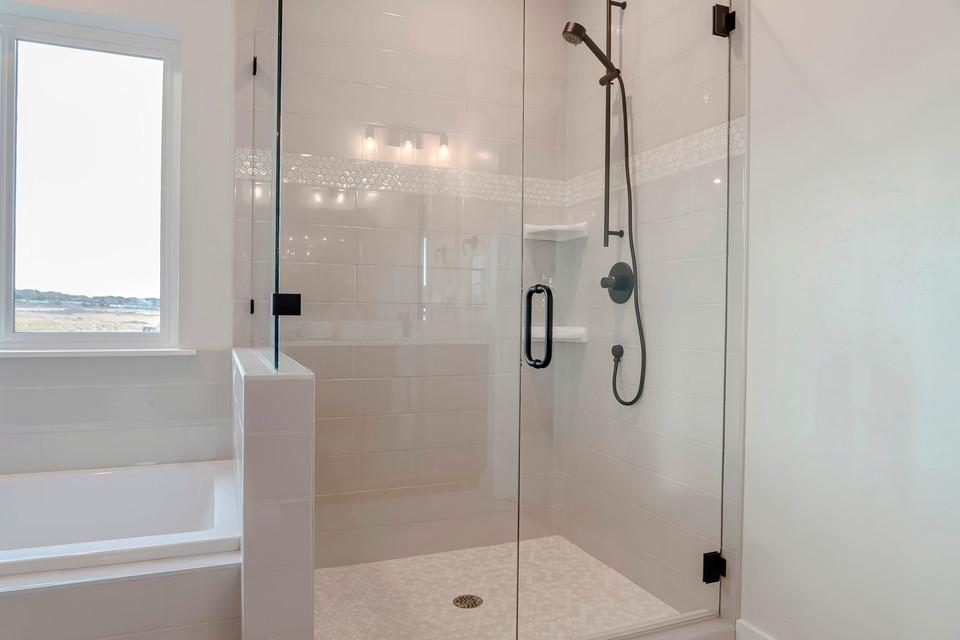
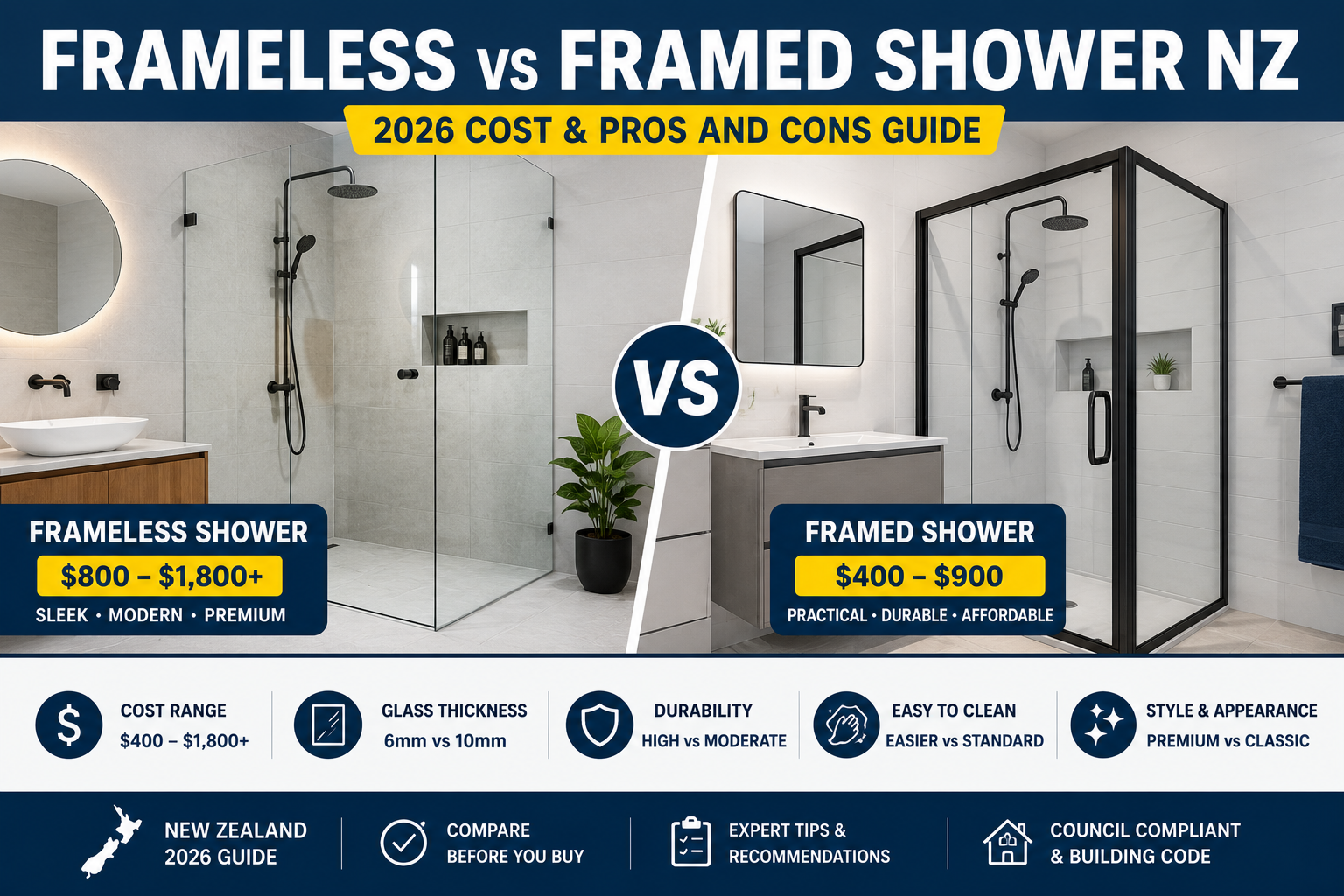
Bathroom design in New Zealand has changed significantly in recent years. Homeowners increasingly prefer walk-in units, frameless structures and minimalist fittings. Traditional framed shower sets are being replaced with frameless designs that visually enlarge bathrooms, improve light flow and create luxury hotel aesthetics inside residential homes.
Types of Shower Systems Available
Grand Glass provides popular shower configurations including:
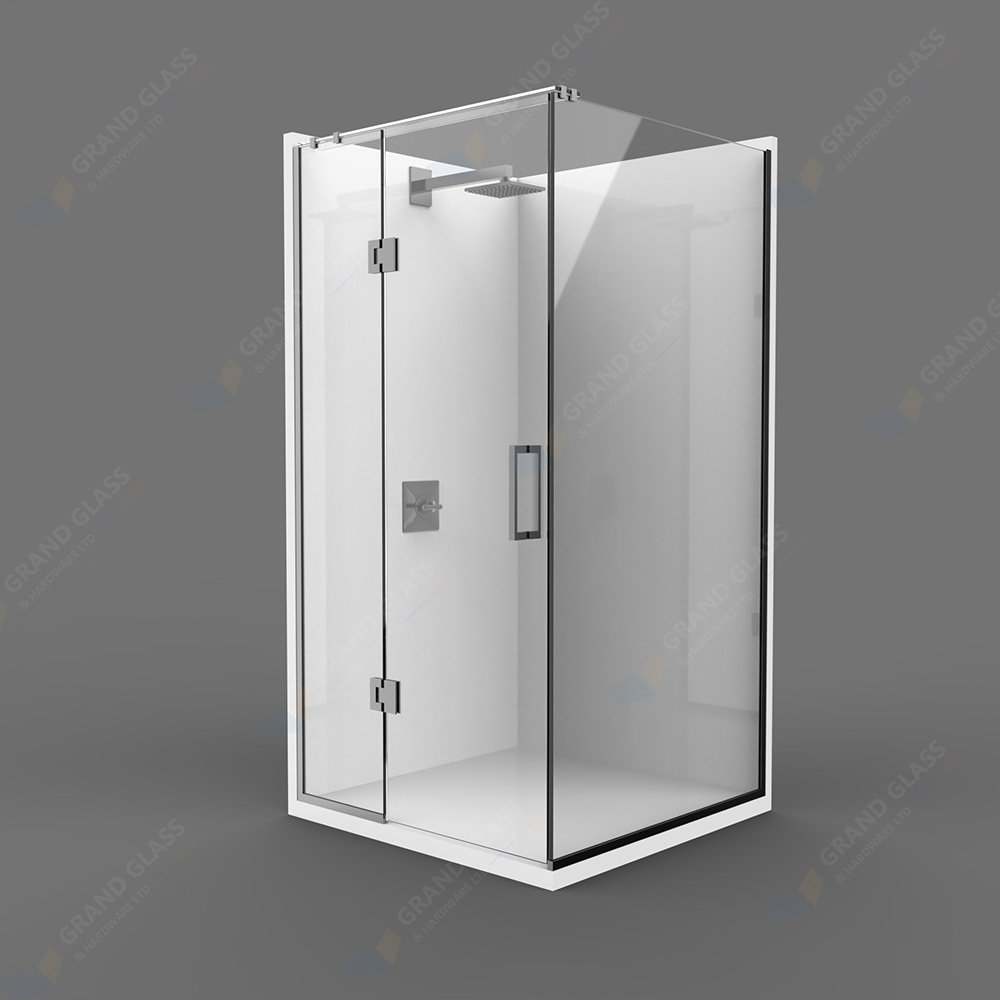
- Hinged shower units – 3 piece
- Hinged shower units – 4 piece
- Alcove hinged units
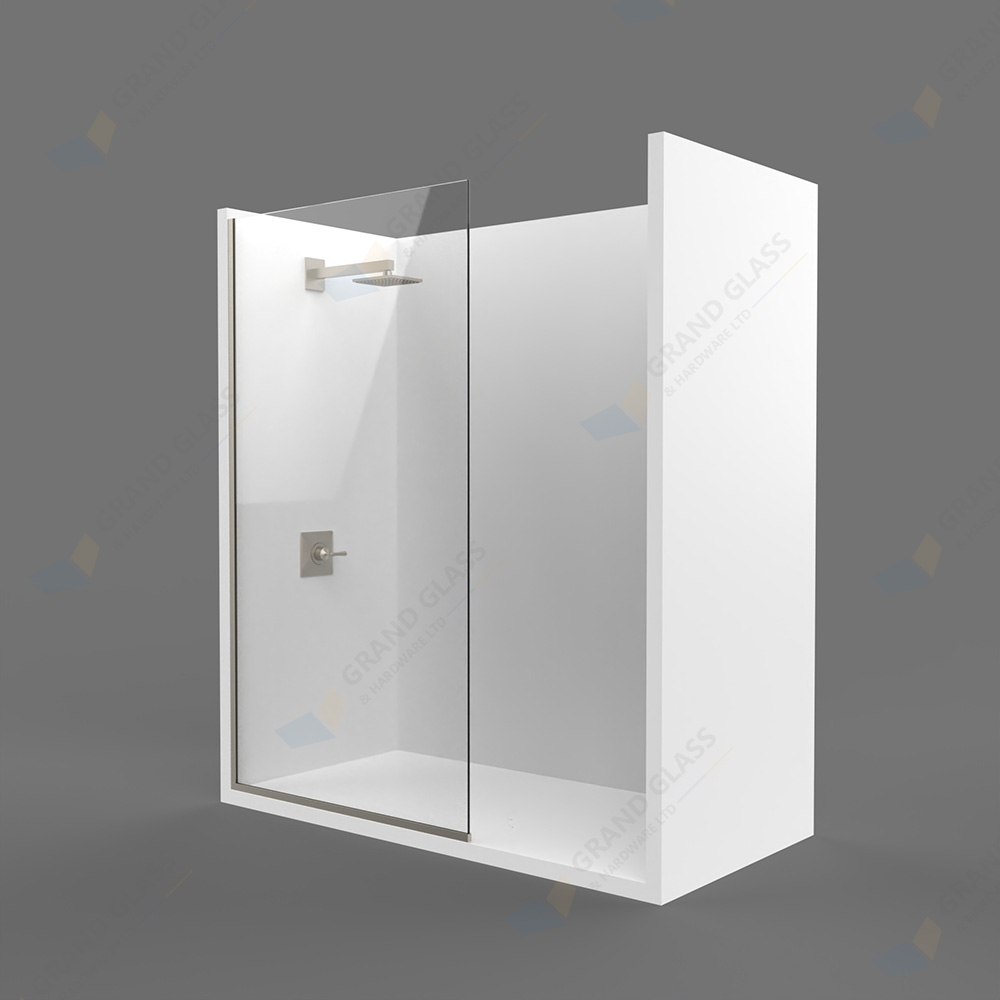
- Walk-in shower assemblies
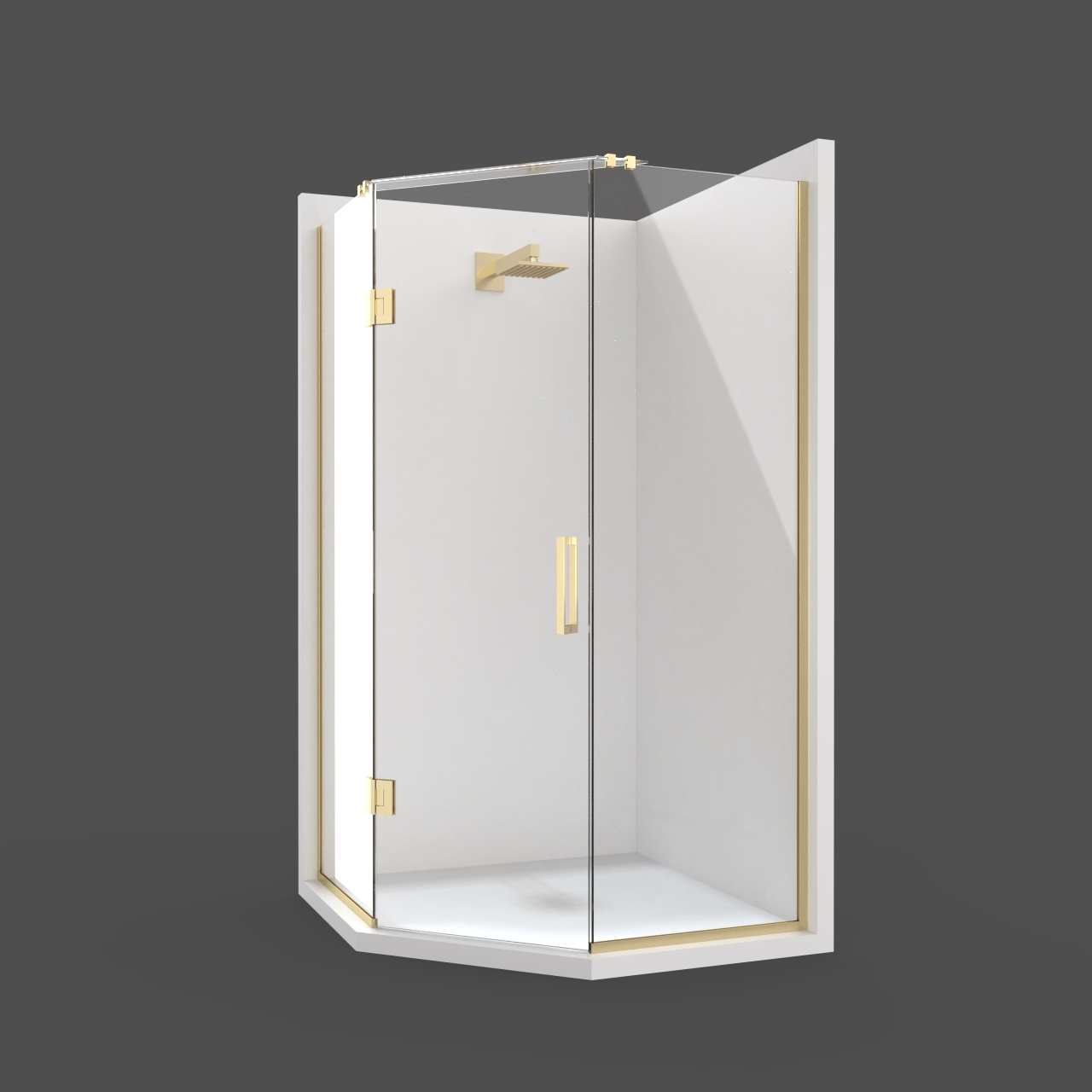
- Angle hinged showers
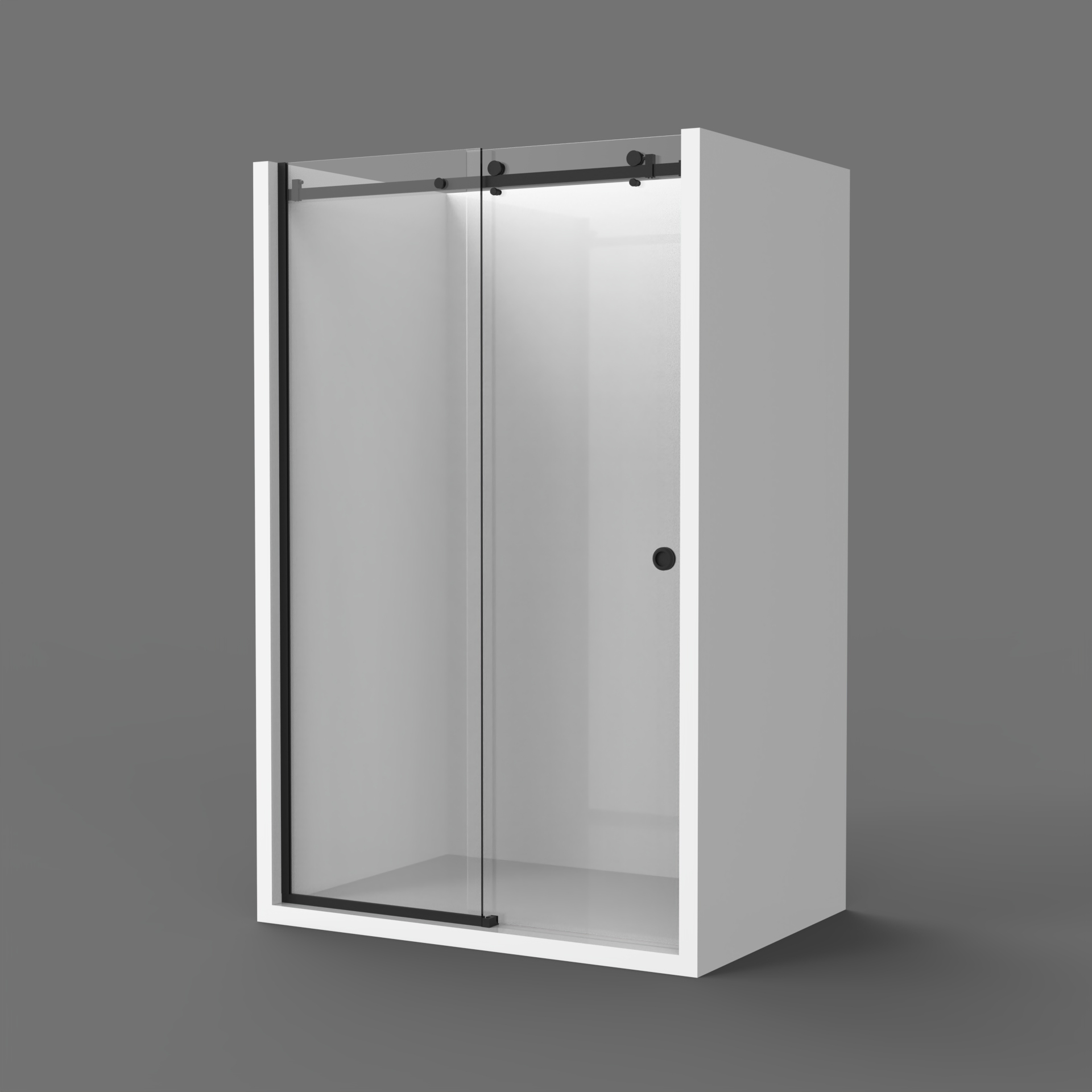
- Sliding shower units (rectangle & alcove)
Each of these systems is engineered around practical water sealing, glass strength and durable hinges. The components are coordinated, ensuring the door, panels and clamps match correctly. Many homeowners and builders appreciate this pre-configured approach because it removes installation guesswork.
The Growing Popularity of Walk-In Showers
Walk-in showers are now a primary design trend across Wellington, Auckland and Christchurch. They eliminate step-over frames, improve accessibility and create a seamless bathroom design. More customers are requesting frameless edges, soft-close hinges and high-finish hardware such as matte black and brushed nickel.
Grand Glass responds to these preferences by offering a wide choice of modern finishes that align with contemporary bathroom colour schemes. In addition, the available glass coating solutions help protect shower glass against long-term mineral staining caused by hard water.
Glass Hardware: Why Compatibility Matters
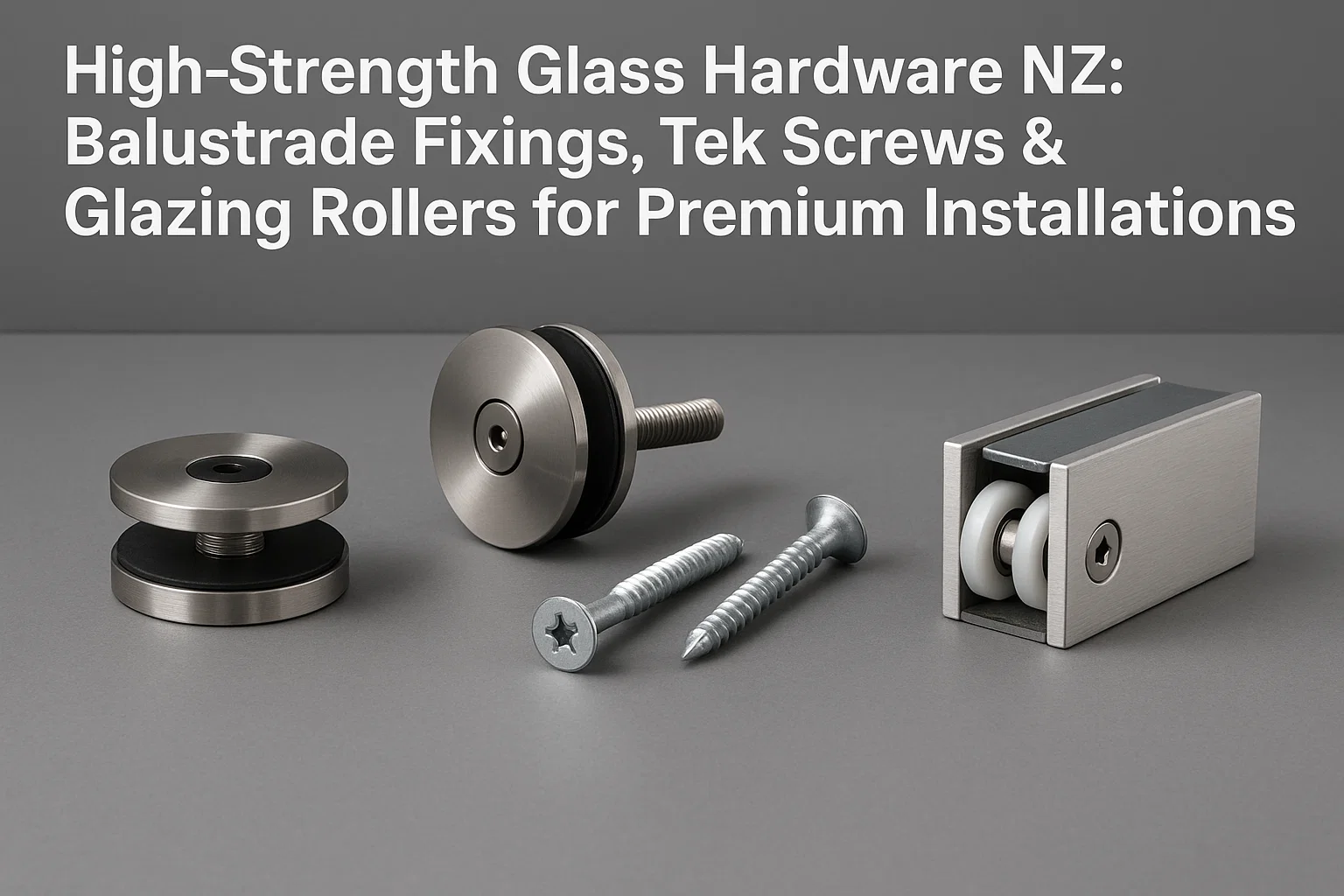
While many general retailers sell basic hardware, the key advantage of Grand Glass is full system compatibility. This is particularly important in New Zealand where toughened safety glass must be supported by correctly rated hinges, clamps, sliders and stainless steel fixing components.
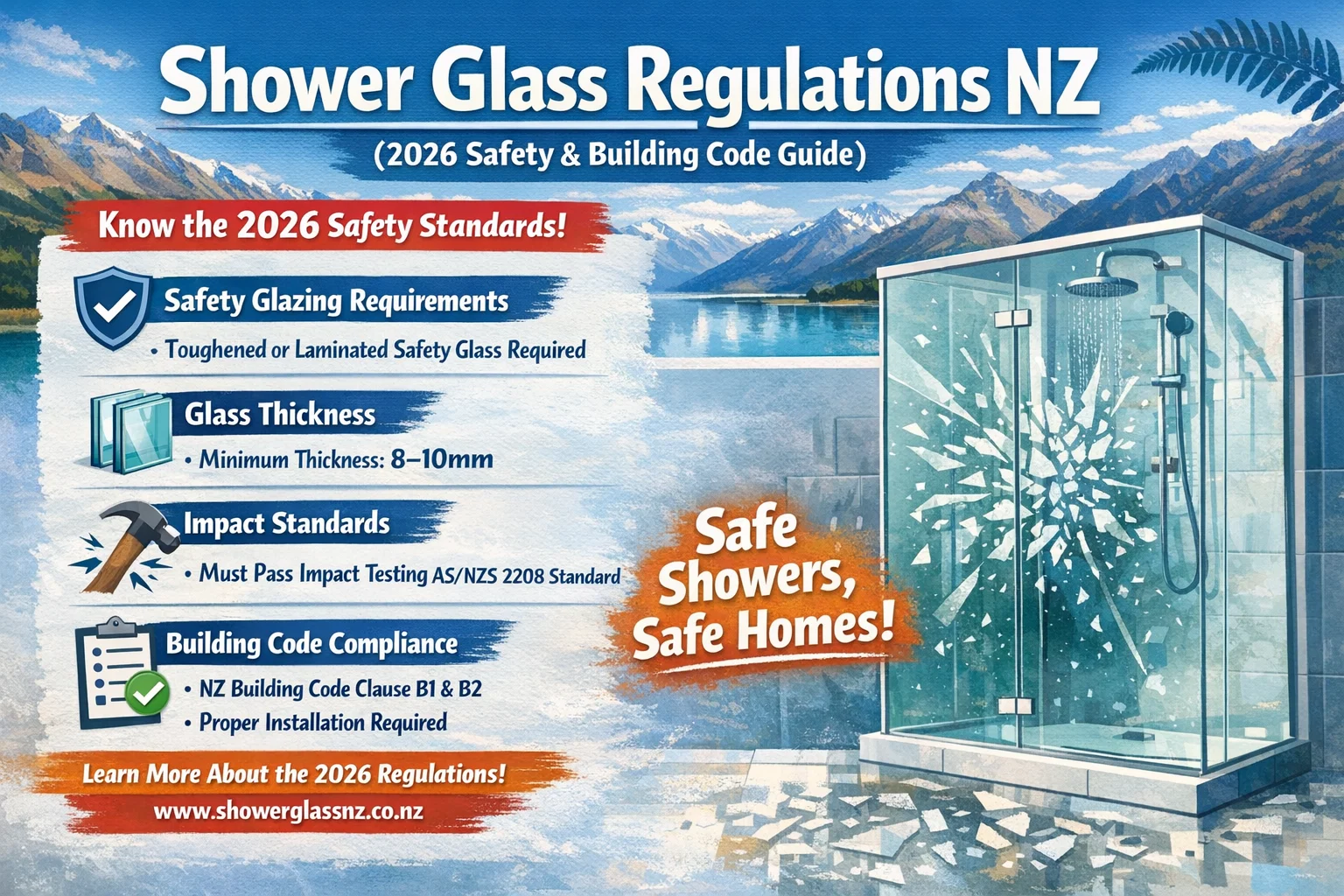
Certain building code guidelines specify load, impact resistance and safe door mechanisms in wet environments. Using hardware designed for shower installations prevents safety issues while achieving architectural quality.
Grand Glass offers:
- glass shower hinges
- wall clamps
- sliding mechanisms
- waterproof seals
- pivot systems
- matching finishing hardware
Rather than mixing hardware brands, customers can rely on fully matched systems designed to support correct alignment, glass thickness tolerance and long-term moisture exposure.
Understanding Glass Coating and Surface Protection
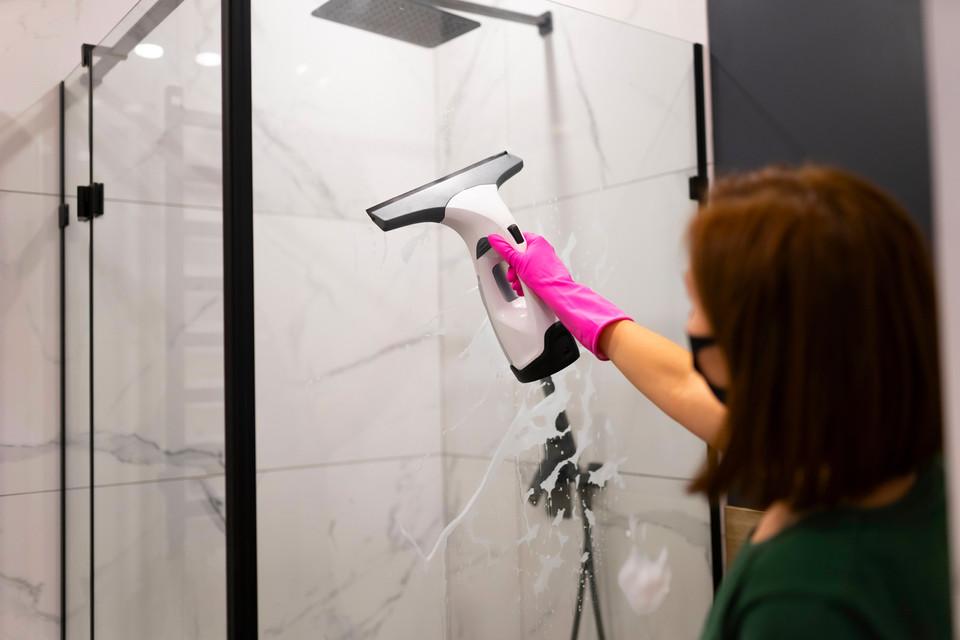
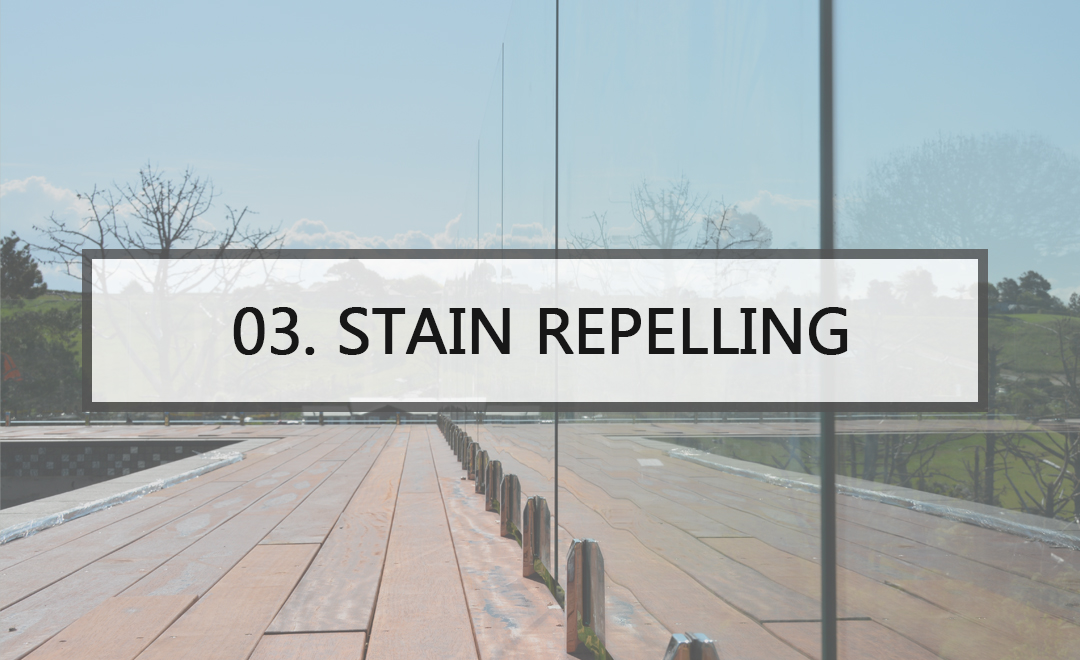
New Zealand water quality varies significantly by region. Many areas contain high mineral content which gradually causes staining on unprotected glass. Glass coating helps preserve clarity and prevent permanent etching caused by mineral deposits, salt exposure and chemical buildup.
Coating is particularly recommended for:
- showers
- pool glass
- balustrades
- coastal installations
By protecting glass from corrosion and water spotting, coating extends glass lifespan and reduces cleaning time. It also improves long-term appearance—especially in highly visible locations like sea-view decks.
DIY Projects and System-Level Compatibility
Because Grand Glass supplies complete system components, DIY customers can confidently order the correct hardware without worrying about mismatched parts. This is a major advantage compared to buying random hardware components from general retailers or importing unknown brands.
DIY installations are common in:
- family pool surrounds
- home bathroom upgrades
- deck balustrade replacement
- handrail retrofits
Many customers order complete systems for pool fencing and showers, then purchase matching screws, hinges and seals in the same transaction. This all-in-one approach dramatically improves project reliability.
Why Grand Glass Is Different from Standard Building Merchants
Most building suppliers offer a very limited range of glass-related items, often sourced from general hardware brands that lack specialist engineering. By contrast, Grand Glass is a specialist importer and distributor of glass systems built for New Zealand construction environments.
Instead of selling a small selection of clamps or posts, Grand Glass offers full product families including:
- glass panels
- balustrade hardware
- pool fencing systems
- handrails
- shower units
- accessories
- DIY tools
This makes Grand Glass New Zealand’s most comprehensive online destination for architectural glass systems and hardware.
Trusted by Homeowners, Builders and Installers Nationwide
Because Grand Glass operates nationwide, the online store is used by:
- homeowners planning renovations
- architects and builders specifying glass systems
- professional installers
- DIY customers upgrading bathrooms, stairways or pools
The combination of direct importer pricing, nationwide delivery and complete system components creates a major competitive advantage over traditional merchants.
Conclusion: Choosing a True Glass Specialist Leads to Better Results
Whether you are designing a modern shower, upgrading a balcony, installing glass pool fencing, or simply replacing hardware components, choosing a system-based supplier rather than generic hardware retailers ensures better compliance, aesthetics and long-term value.
Grand Glass & Hardware Ltd continues to lead New Zealand’s architectural glass market with complete systems designed for safety, style and durability. Every product is selected with New Zealand environmental conditions in mind and supported by technical documentation and system compatibility.
The result is simple: better looking spaces, stronger hardware, easier installation and reliable compliance backed by a trusted New Zealand-based specialist.
Ready to start your project?
Get in touch today for advice, support or a complete project quote.
- non-corrosive
- ideal for coastal wind zones
- long-lasting
- low-maintenance
- fully compatible with NZ pool safety regulations
- architecturally modern and minimalist
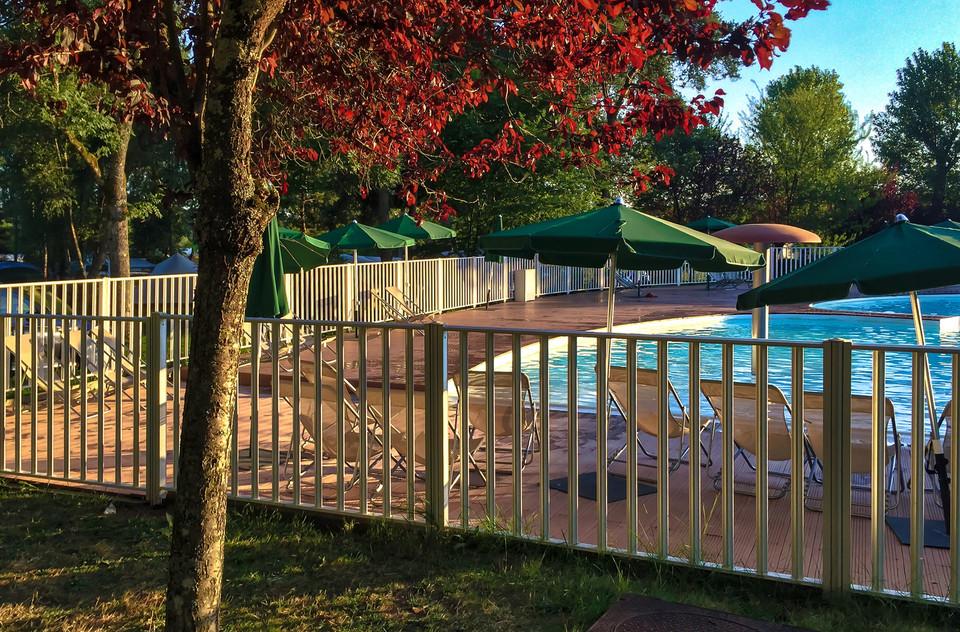
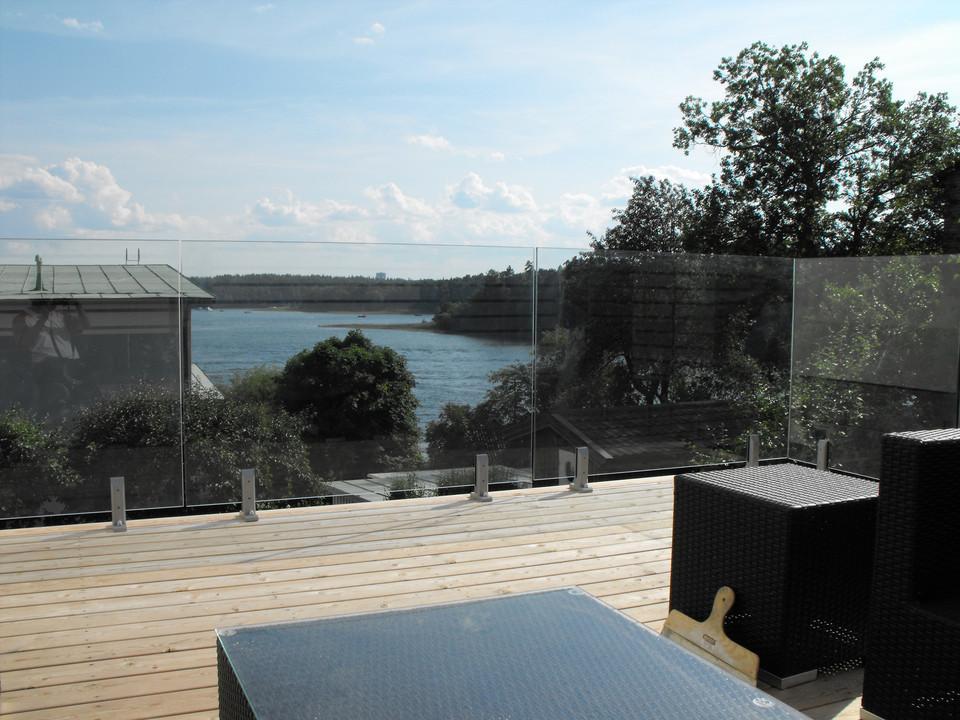
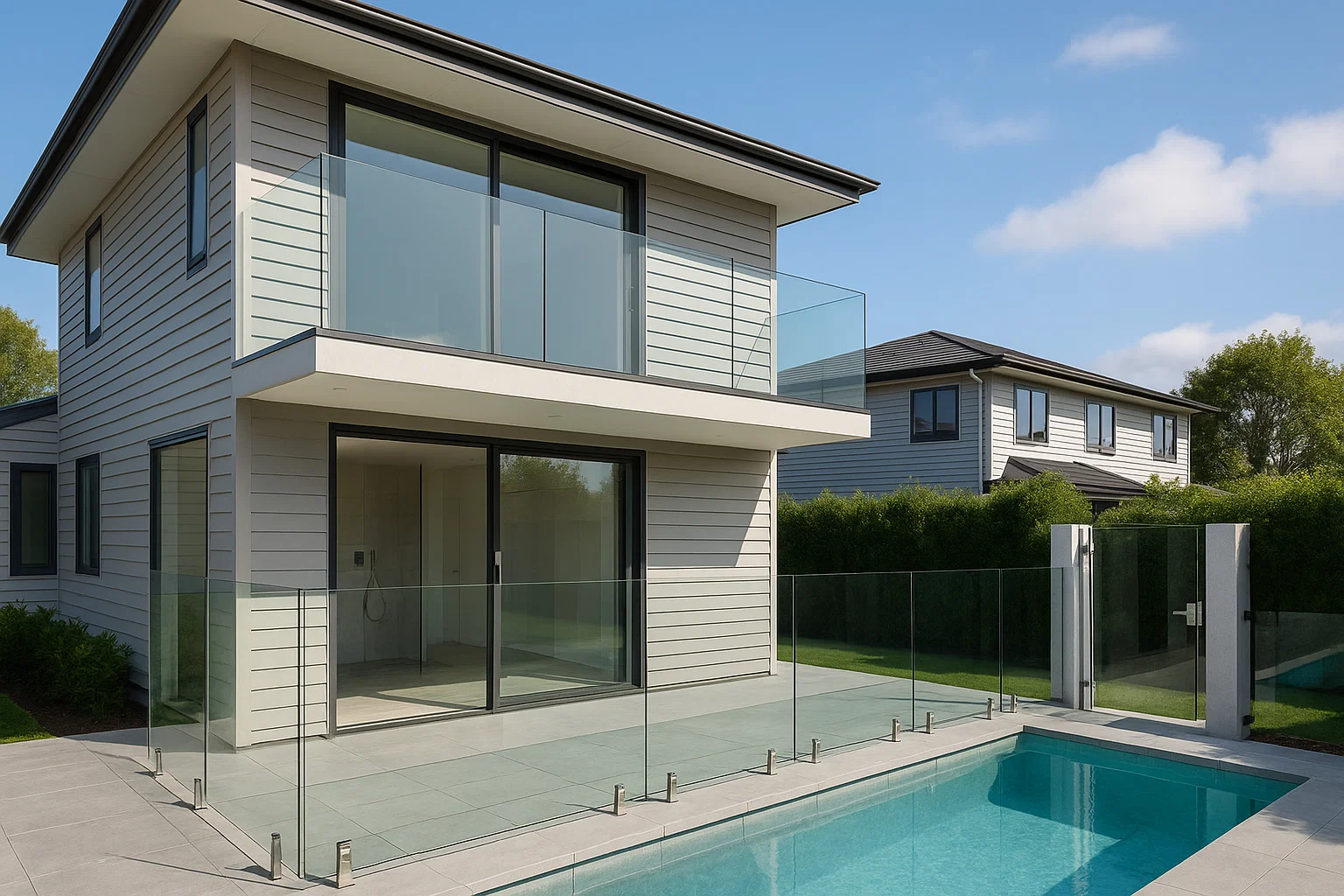
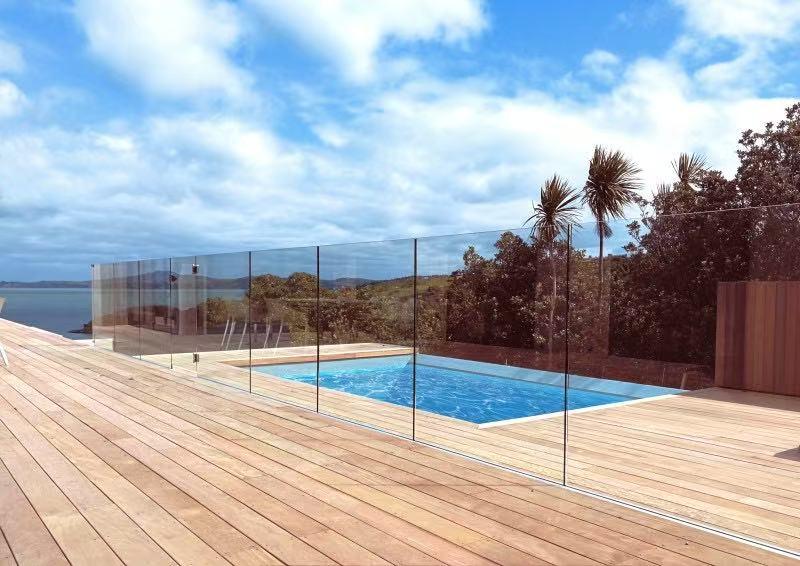
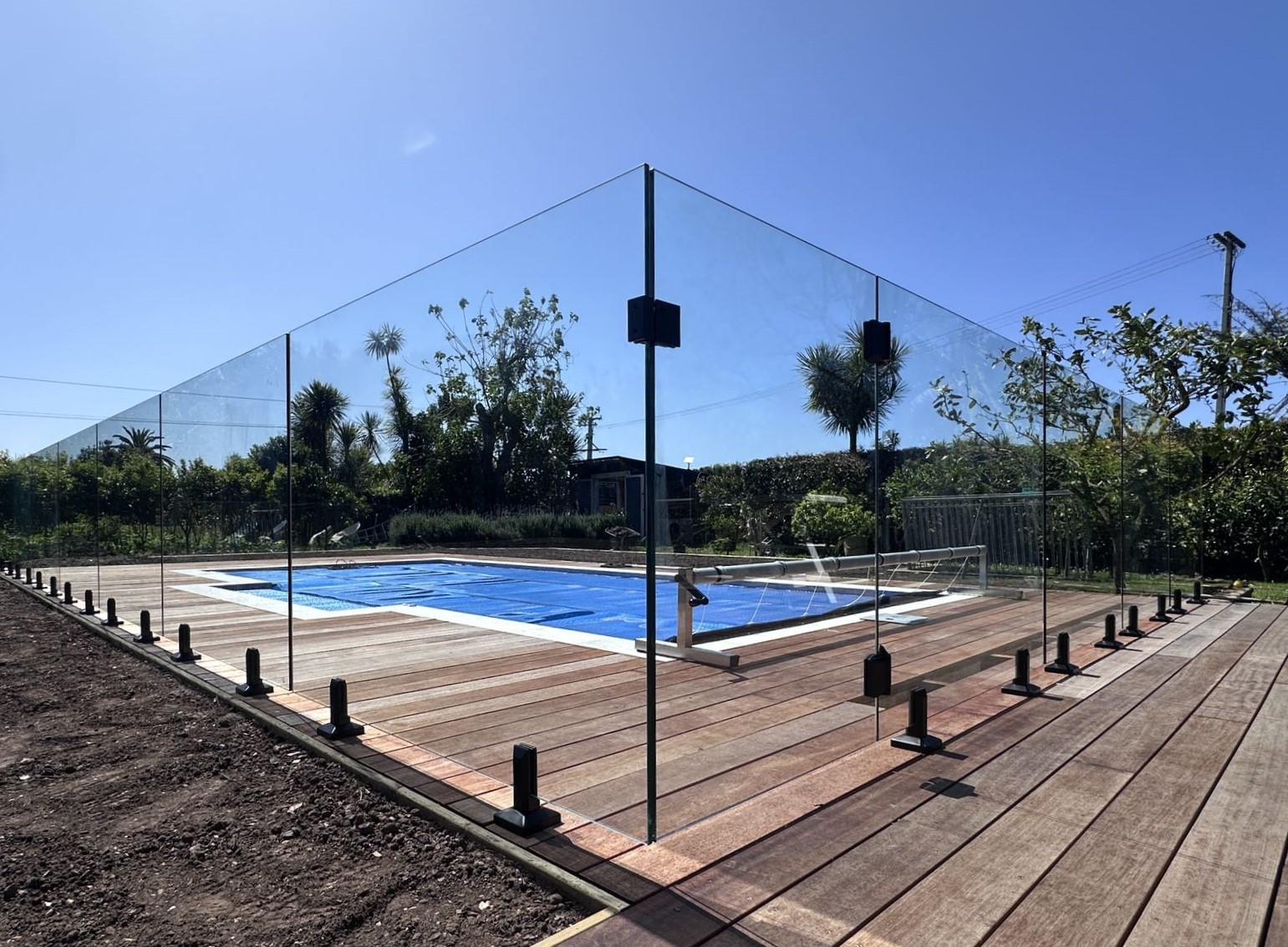
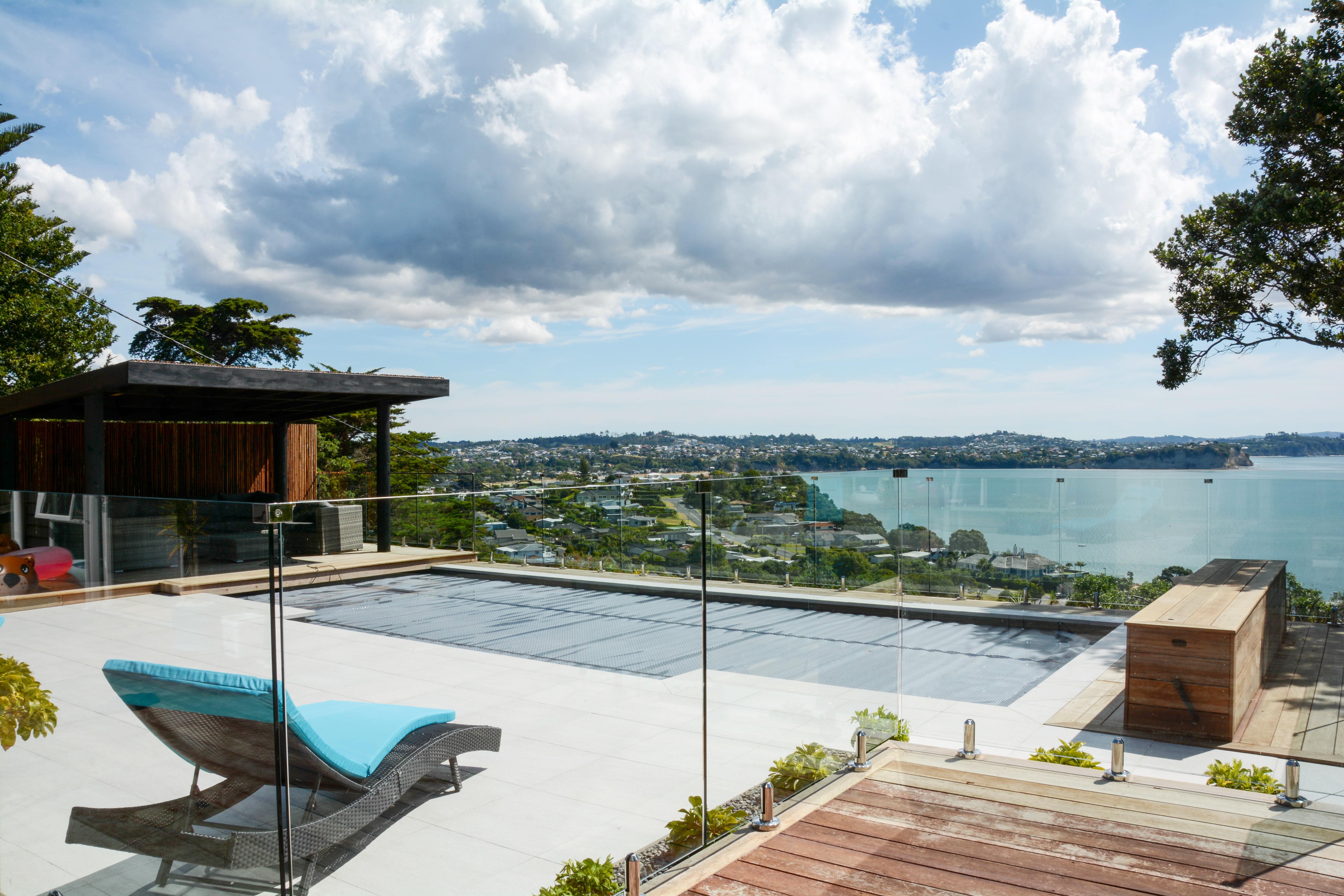
In outdoor applications like pool surrounds and sea-view decks, the clarity of the material is the key selling point. This means homeowners enjoy safety while keeping the landscape readable.
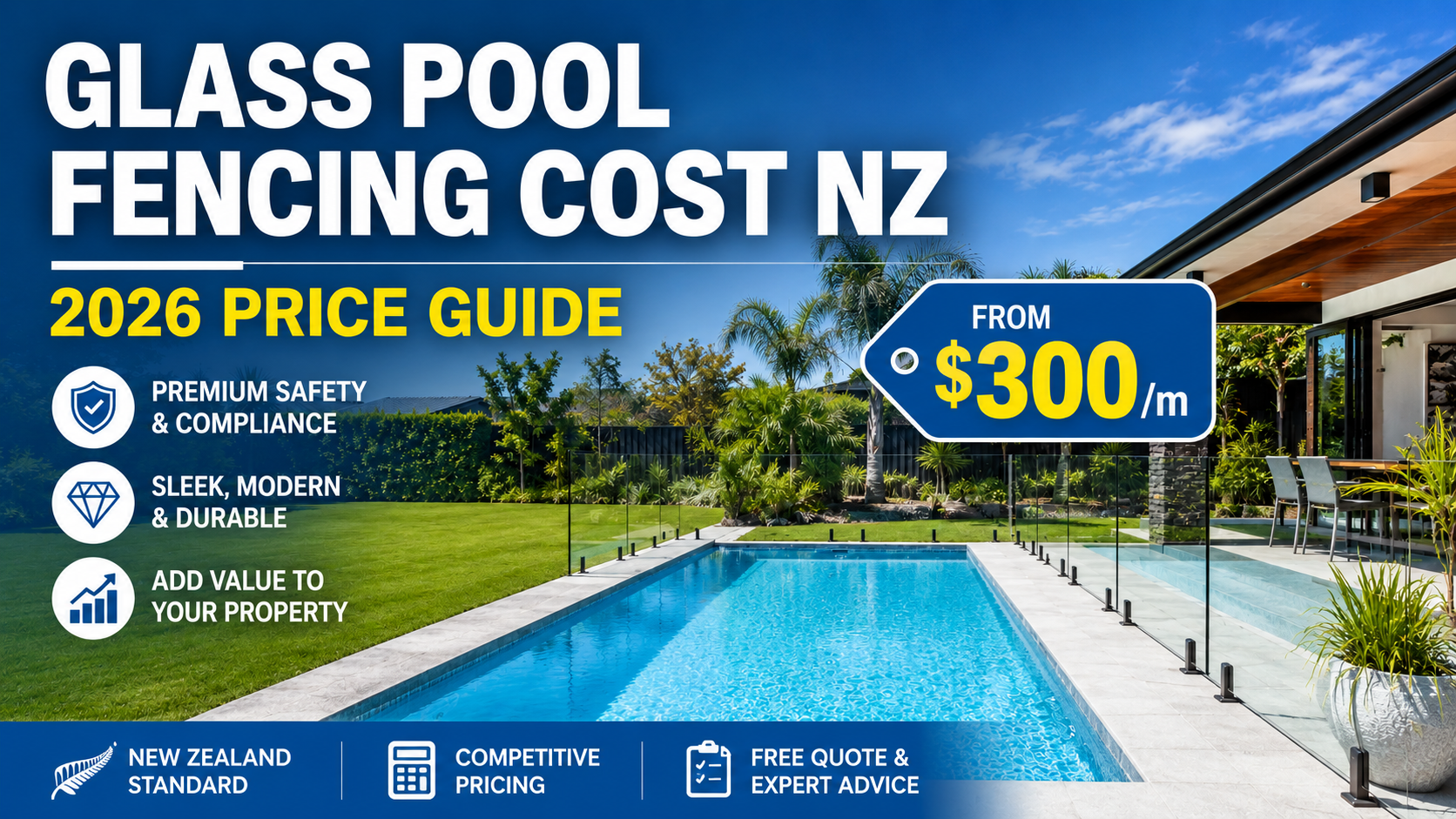
Four Main Types of Glass Pool Fencing Systems Used in NZ
Grand Glass provides the most complete system range available online in New Zealand. These include:
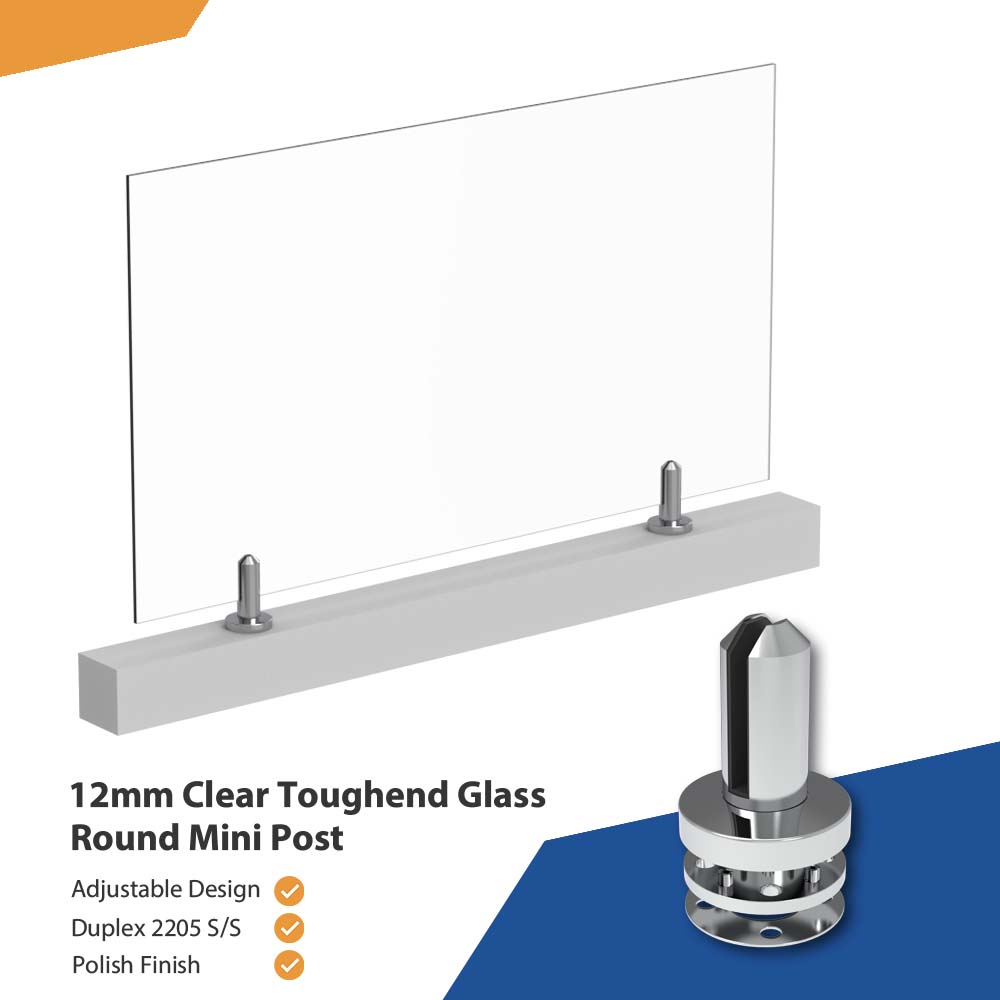
- Mini post systems
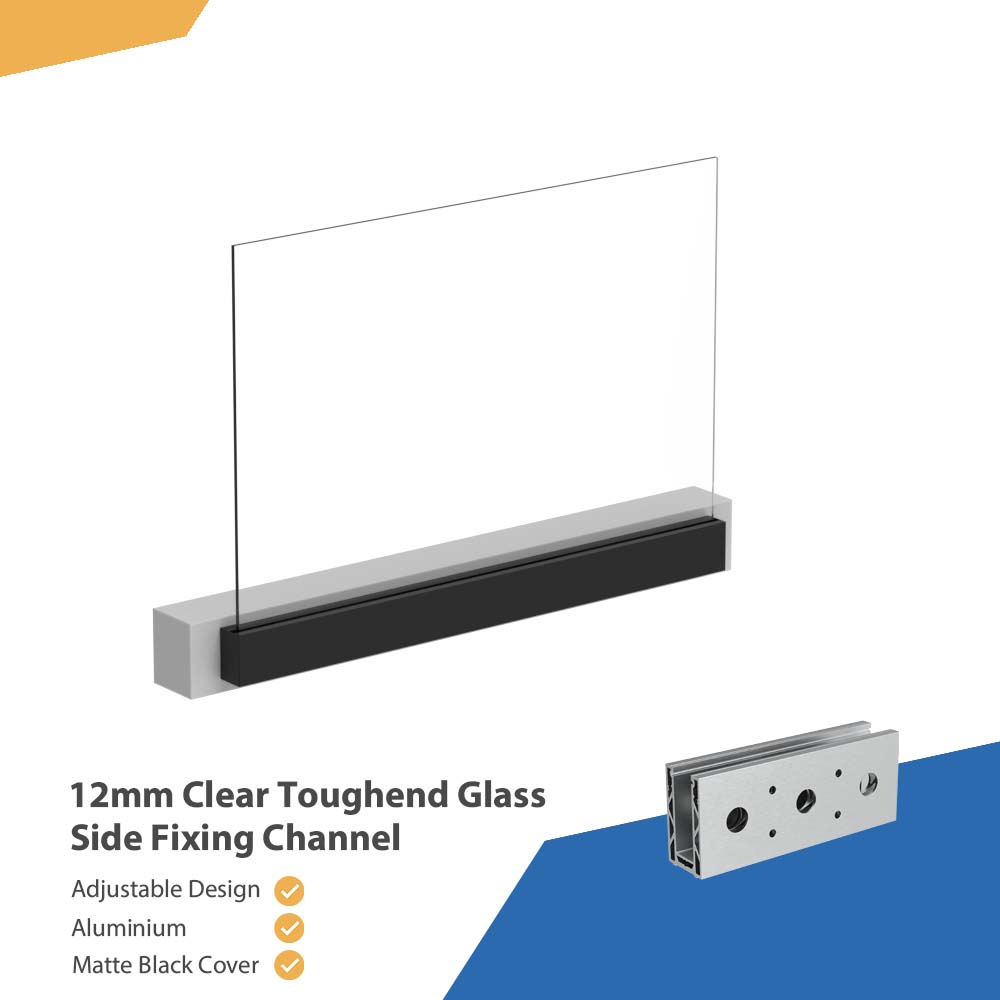
- Channel systems
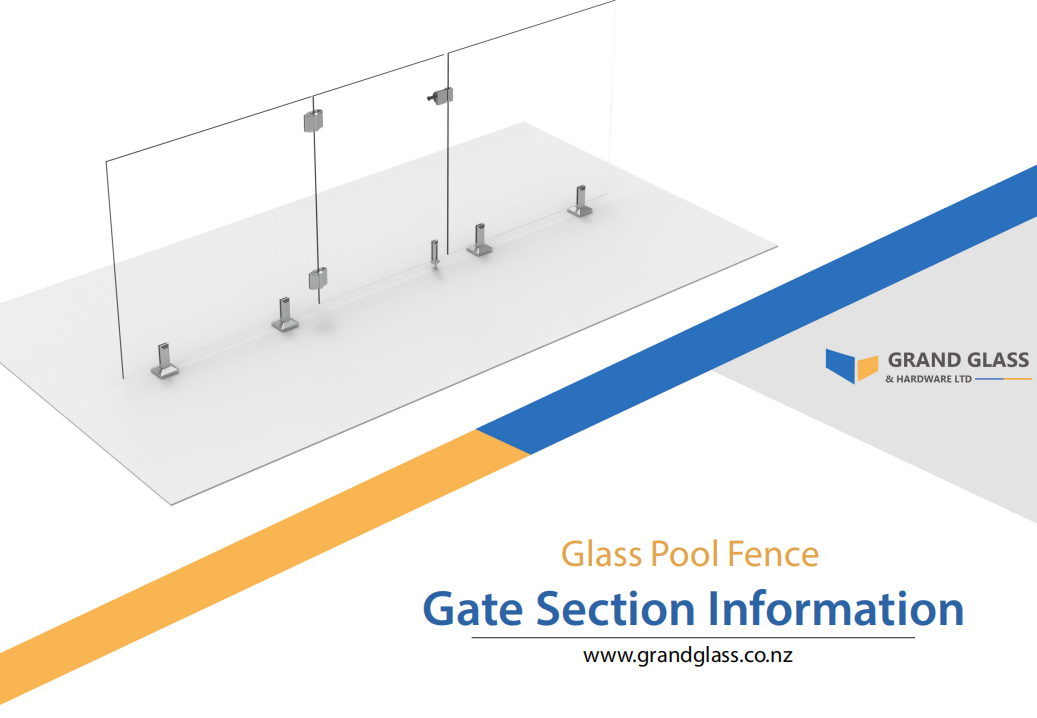
- Glass gate systems
- Pool-compliant hinges and latches
Every product category forms part of a compatible system. That means the posts, clamps, glass thickness and hardware are designed to work together, not sourced randomly. This is extremely important in a country with strong wind zones, pool compliance rules and high corrosion exposure.
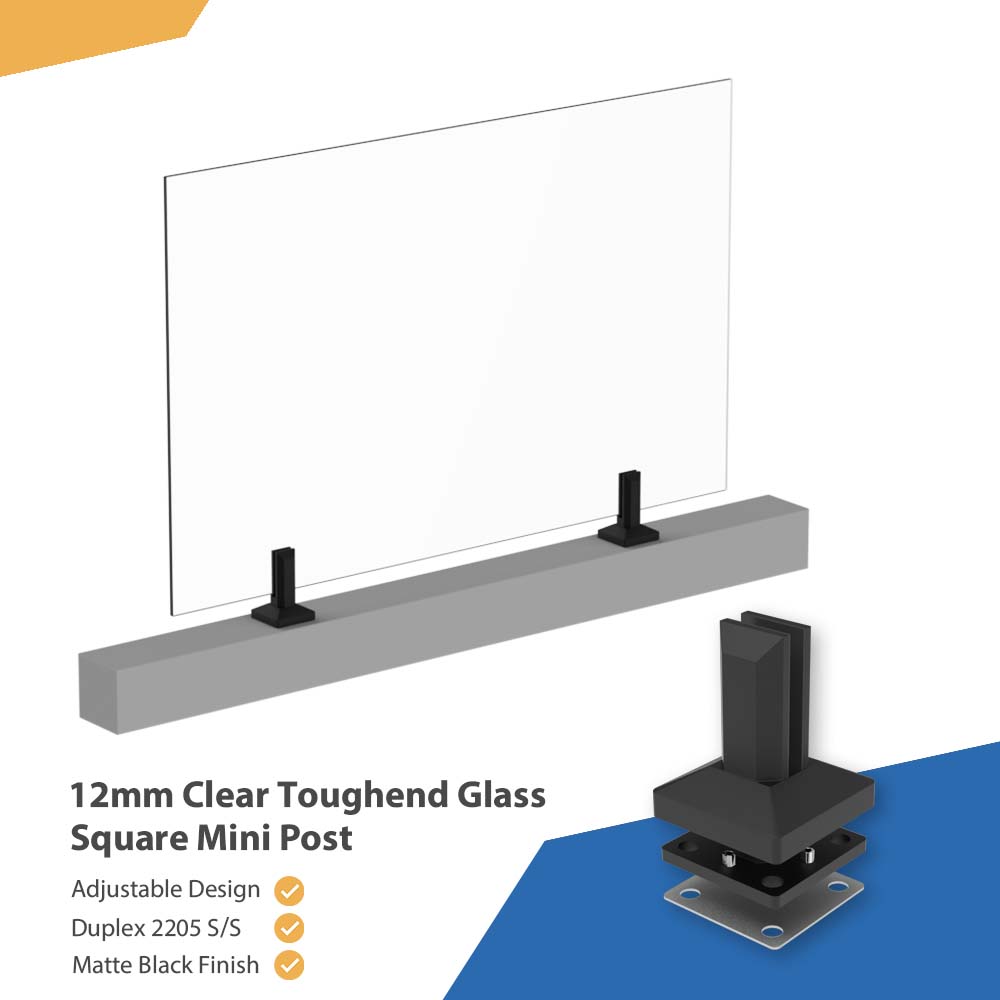
TM Square Mini Post System
The TM Square post option is particularly popular in modern architectural builds. Square profiles create a sharp, elegant visual, suitable for modern homes, luxury pools and high-end landscaping projects. Stainless steel construction provides long-term resistance against sea air, rain and moisture.
TM Round Mini Post System
Round mini posts offer a slightly softer profile while keeping a minimalistic look. Many designers choose round posts when the surrounding environment contains more organic or curved elements. Both TM systems provide strong mechanical strength and meet pool safety requirements when properly installed.
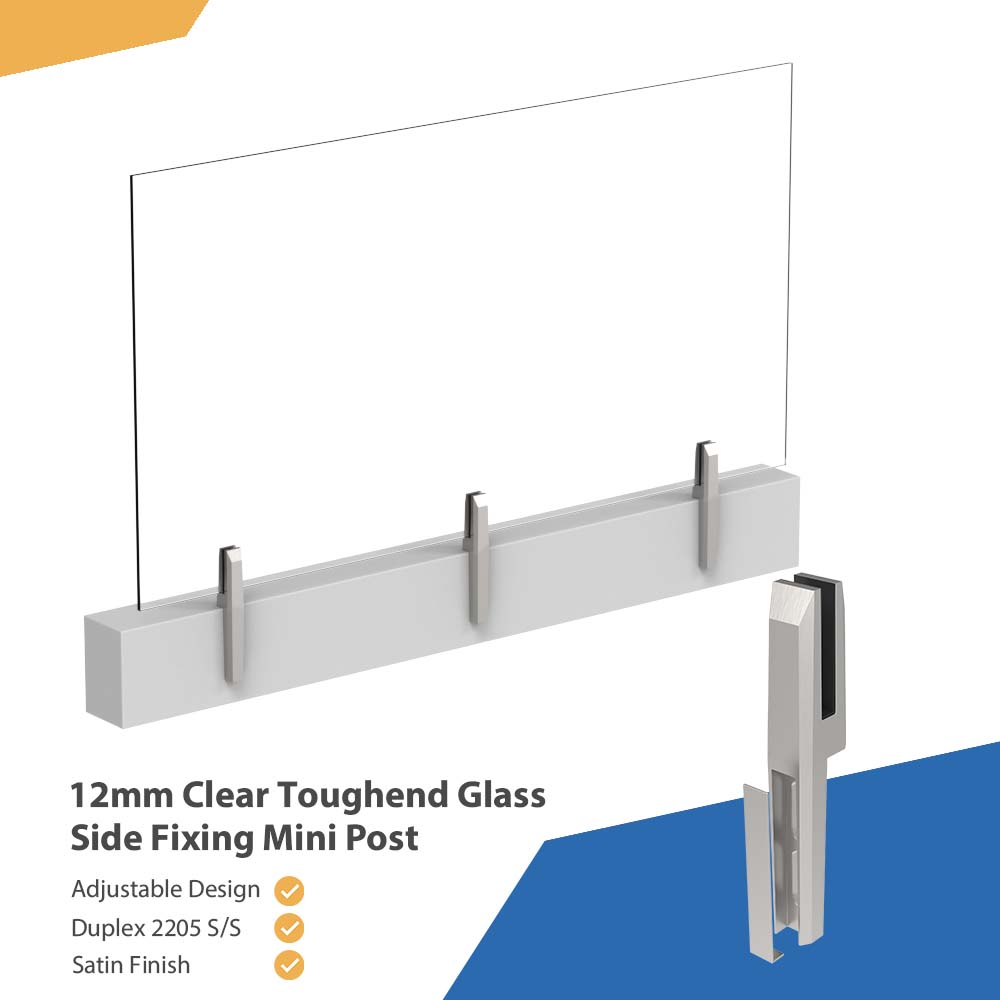
SF Mini Post System
The SF range is known for ease of installation, compatibility and cost efficiency. Many homeowners and installers choose SF systems for DIY pool fencing projects thanks to their flexibility and system compatibility across a broad range of glass panel sizes.
Channel System Pool Fencing
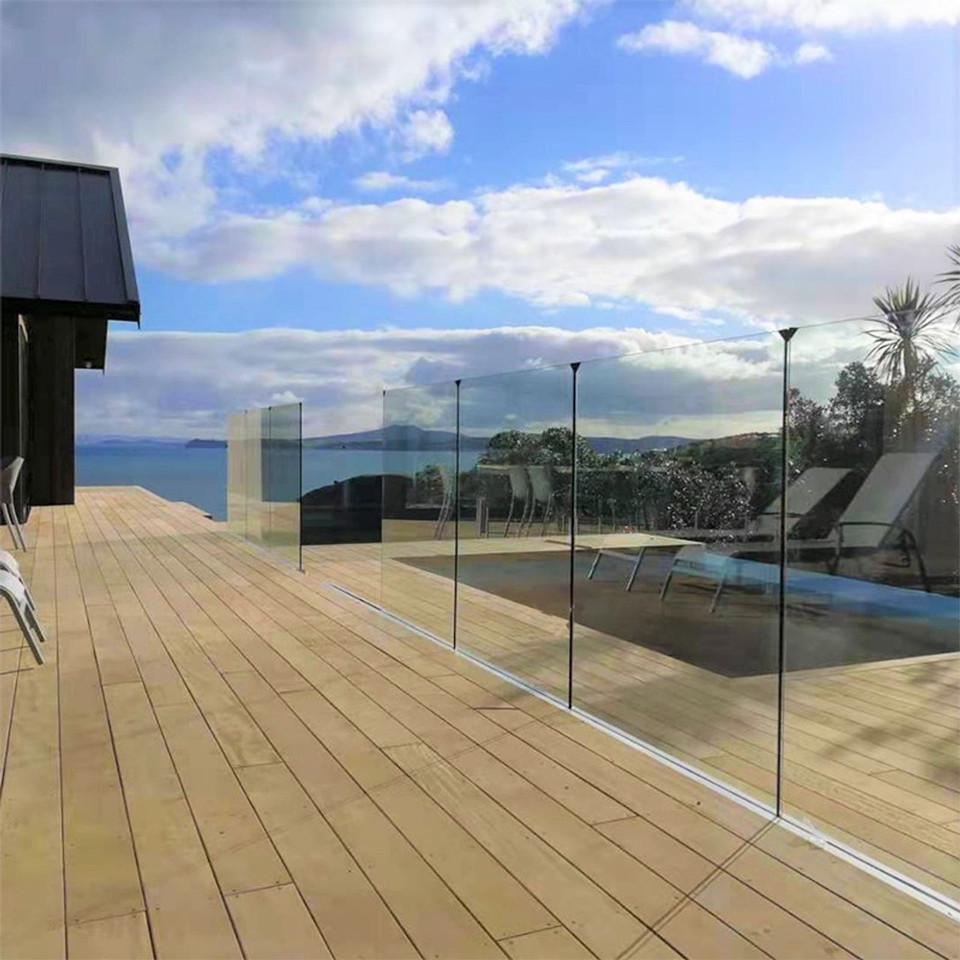
A channel-based installation delivers the cleanest “frameless” look available. With the glass positioned almost flush to the ground, the channel system provides the most premium aesthetic, particularly suitable for luxury outdoor environments, hotels, coastal properties and contemporary new builds.
Each system category is available in multiple finishes—Mirror Polish, Satin Stainless, Matte Black and other architectural colours depending on the hardware configuration.
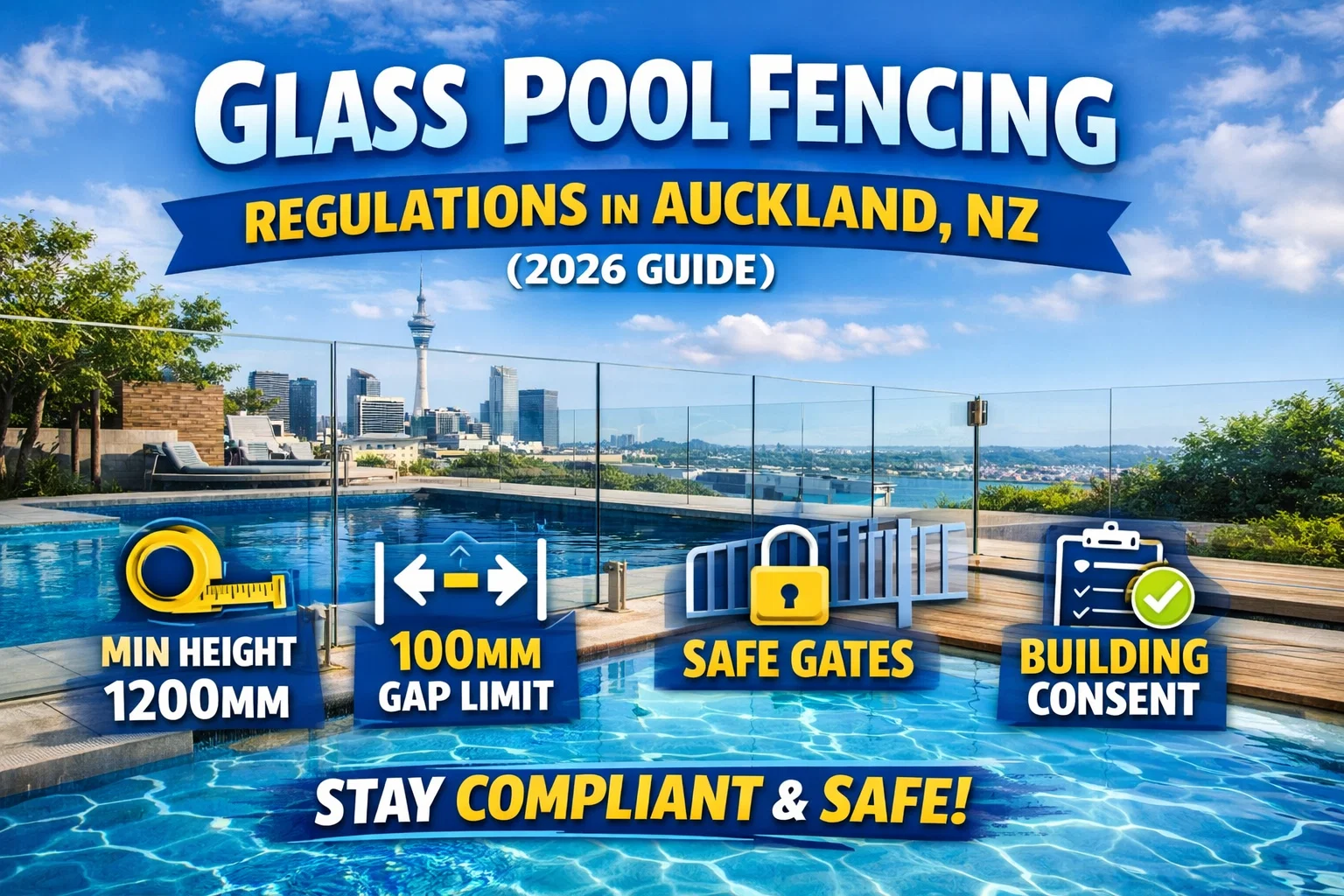
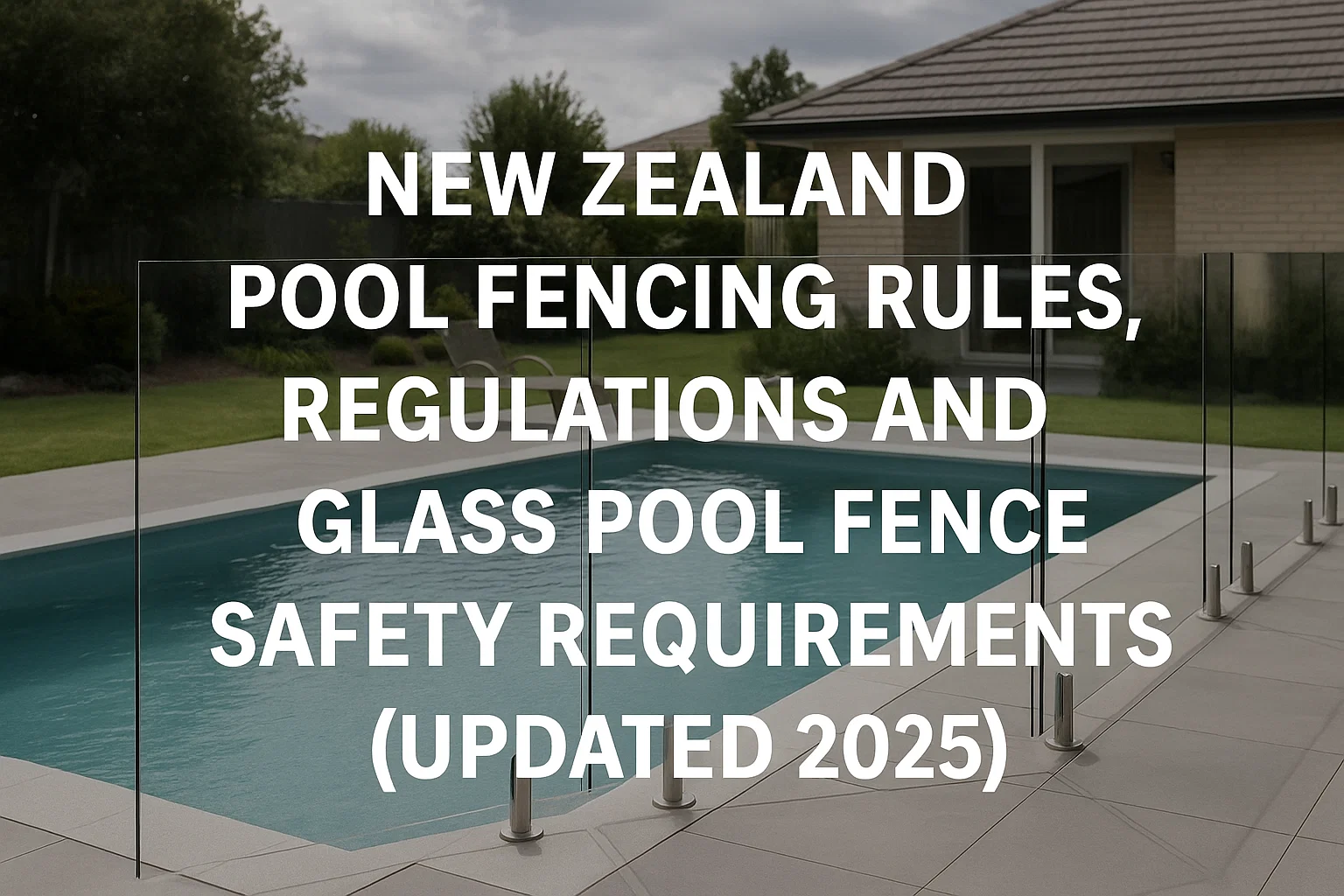
Understanding New Zealand Pool Fencing Regulations
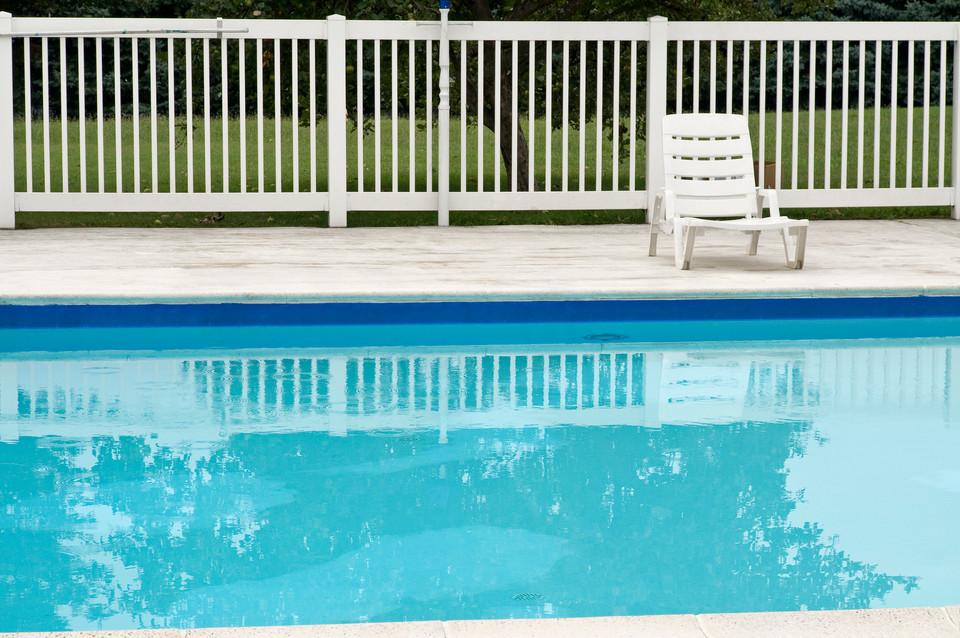
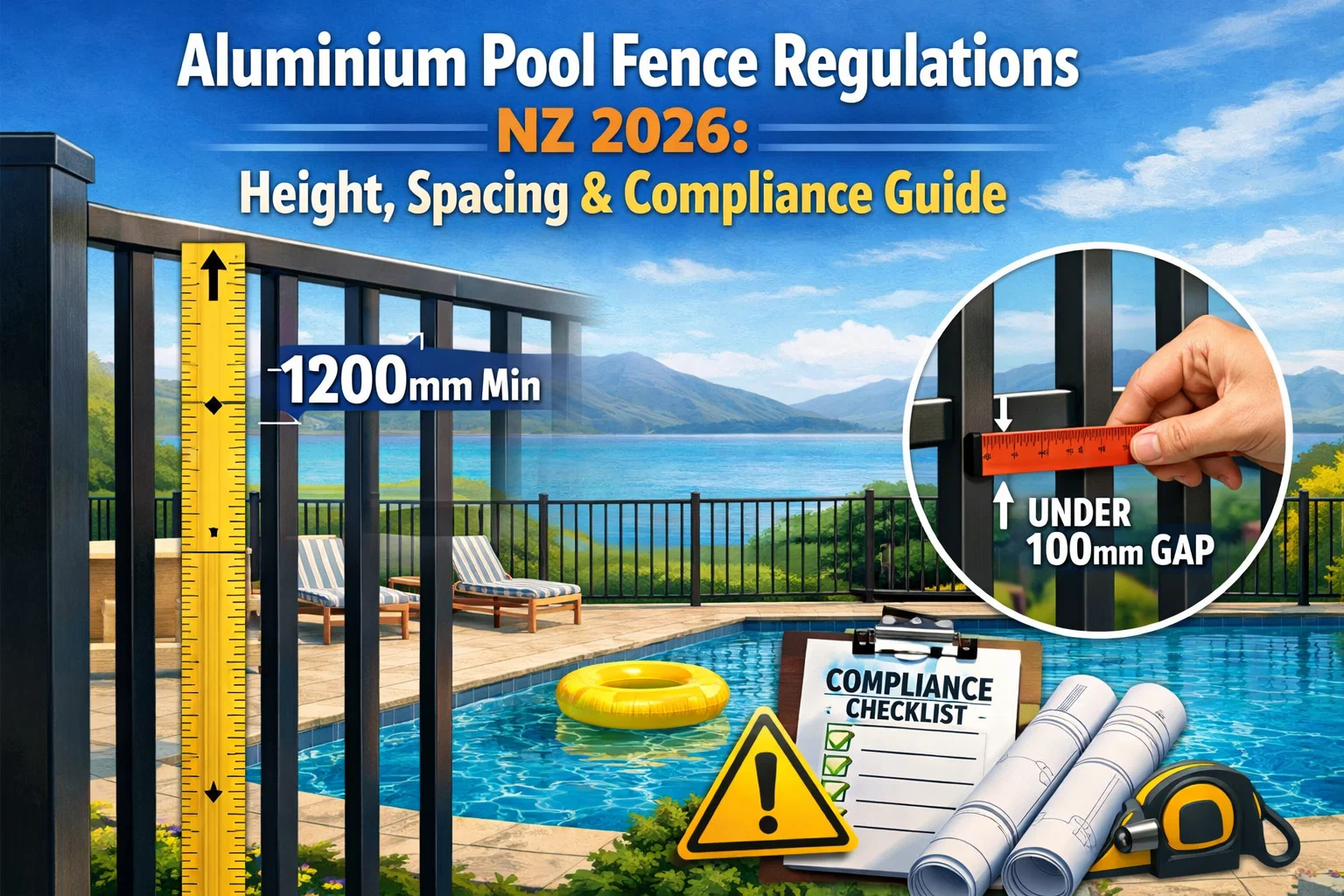
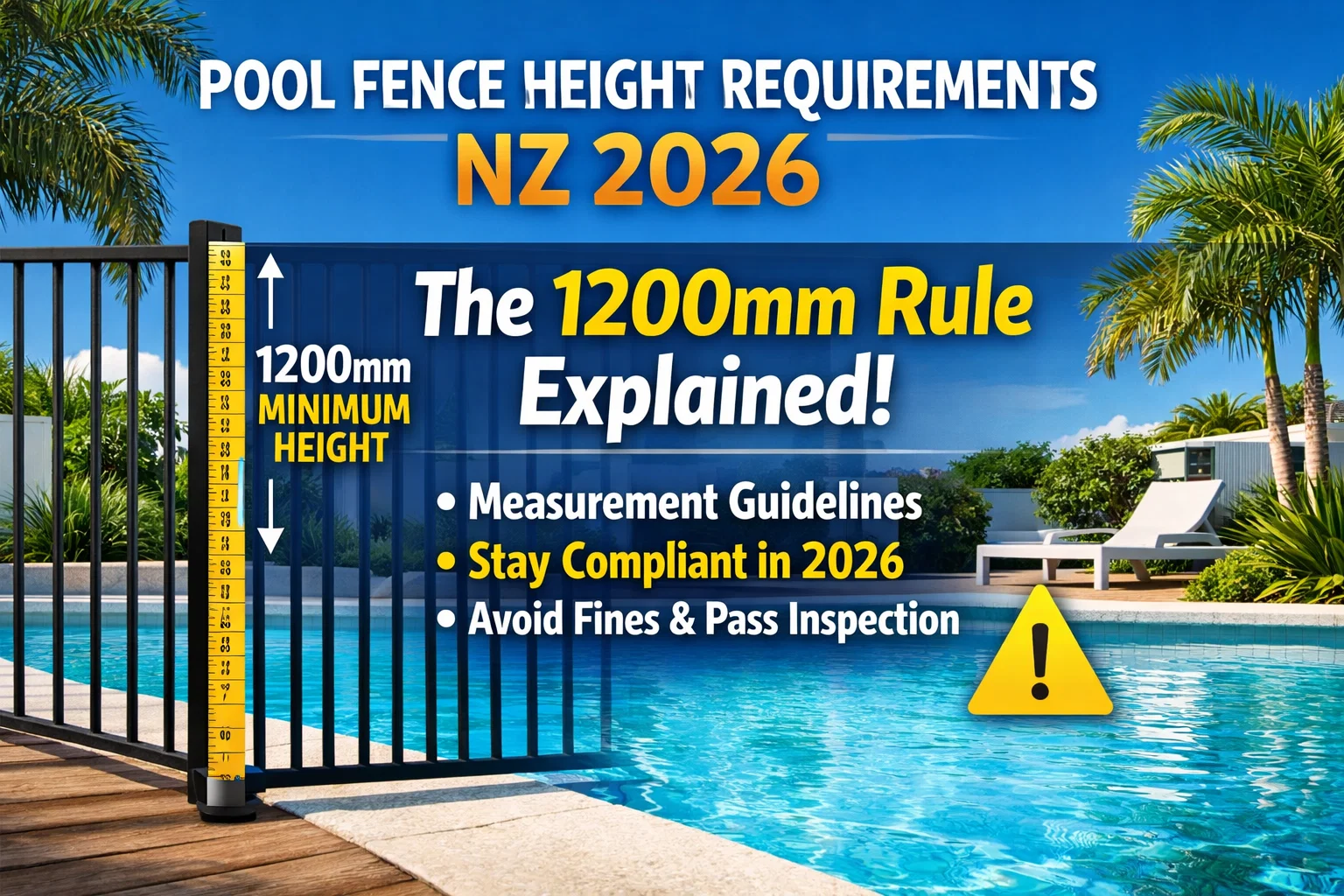
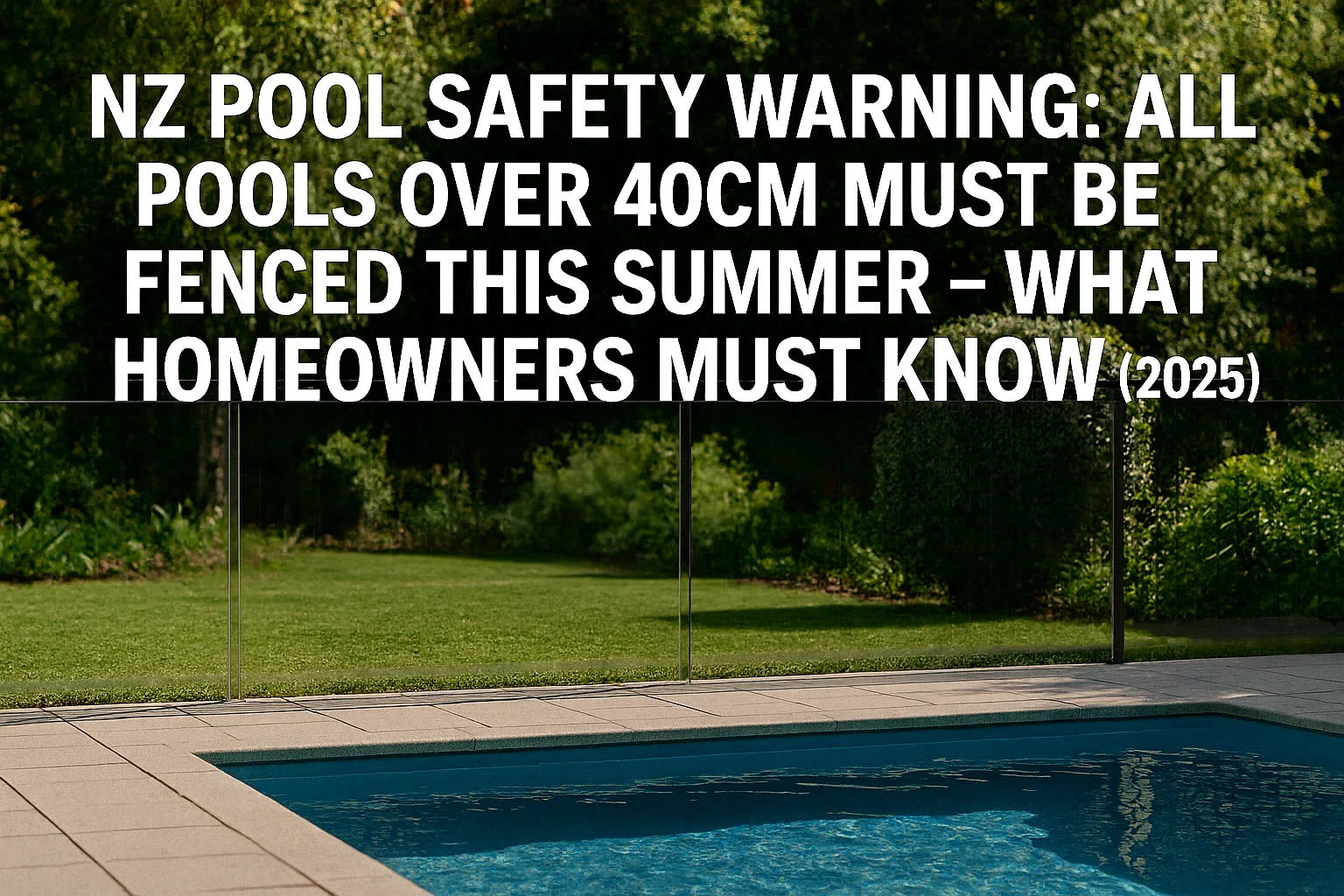
In New Zealand, pool fencing is not just a design choice—it is a strict safety requirement. Regulations apply to prevent access by children under the age of five.
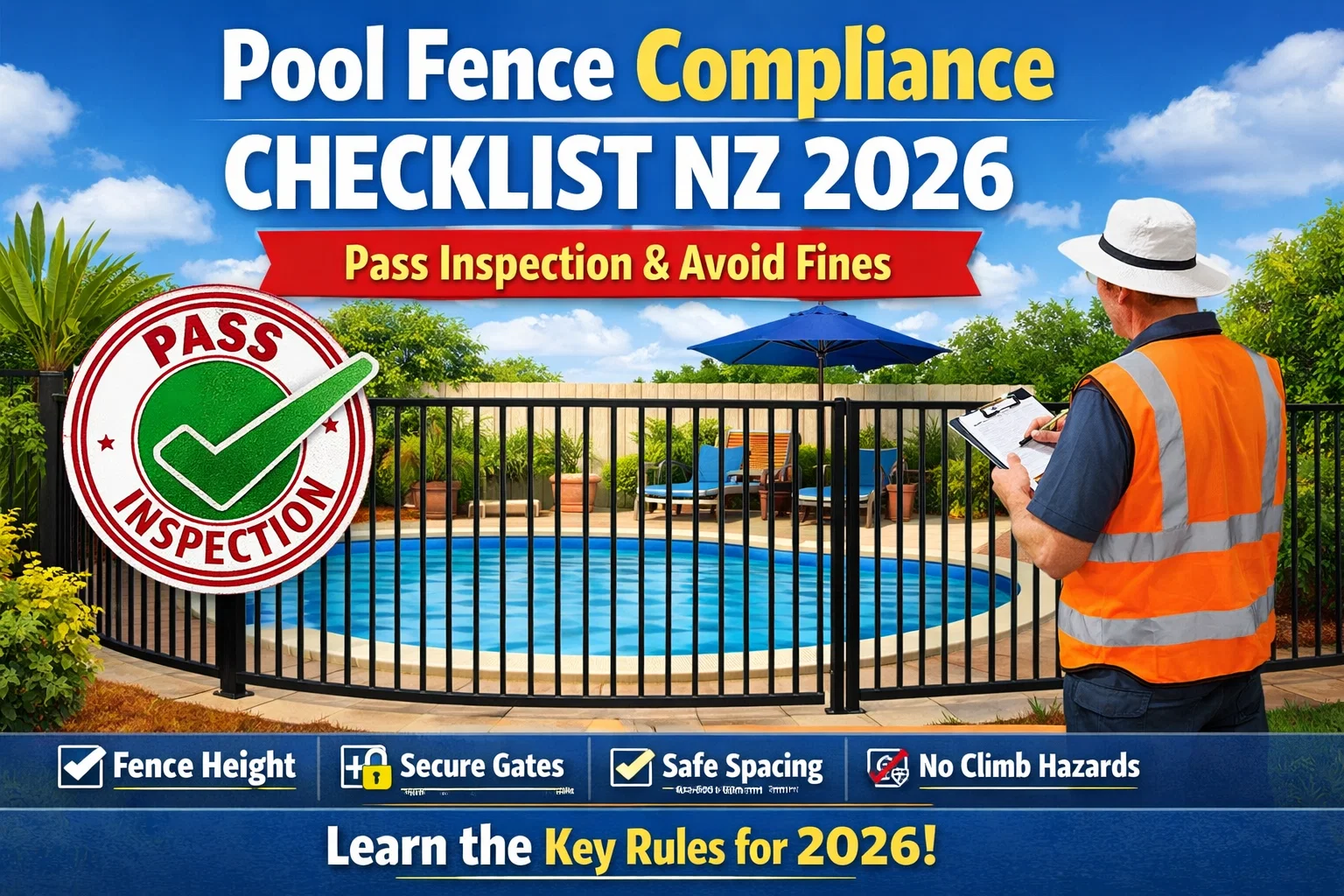
Typical legal standards include:
- minimum fence height
- maximum ground clearance
- non-climbable zones
- gate height and latch requirements
- self-closing mechanisms
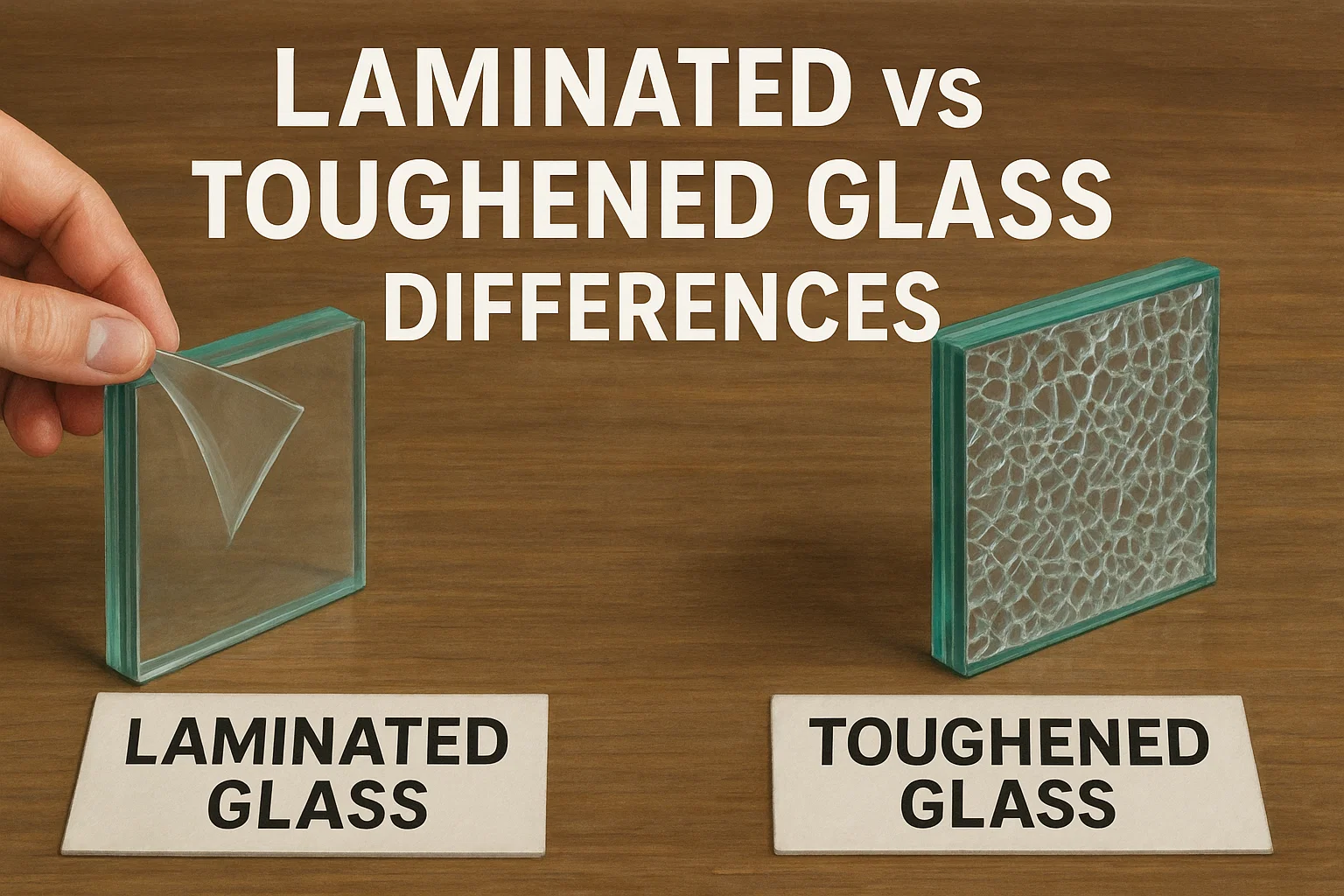
- toughened glass usage
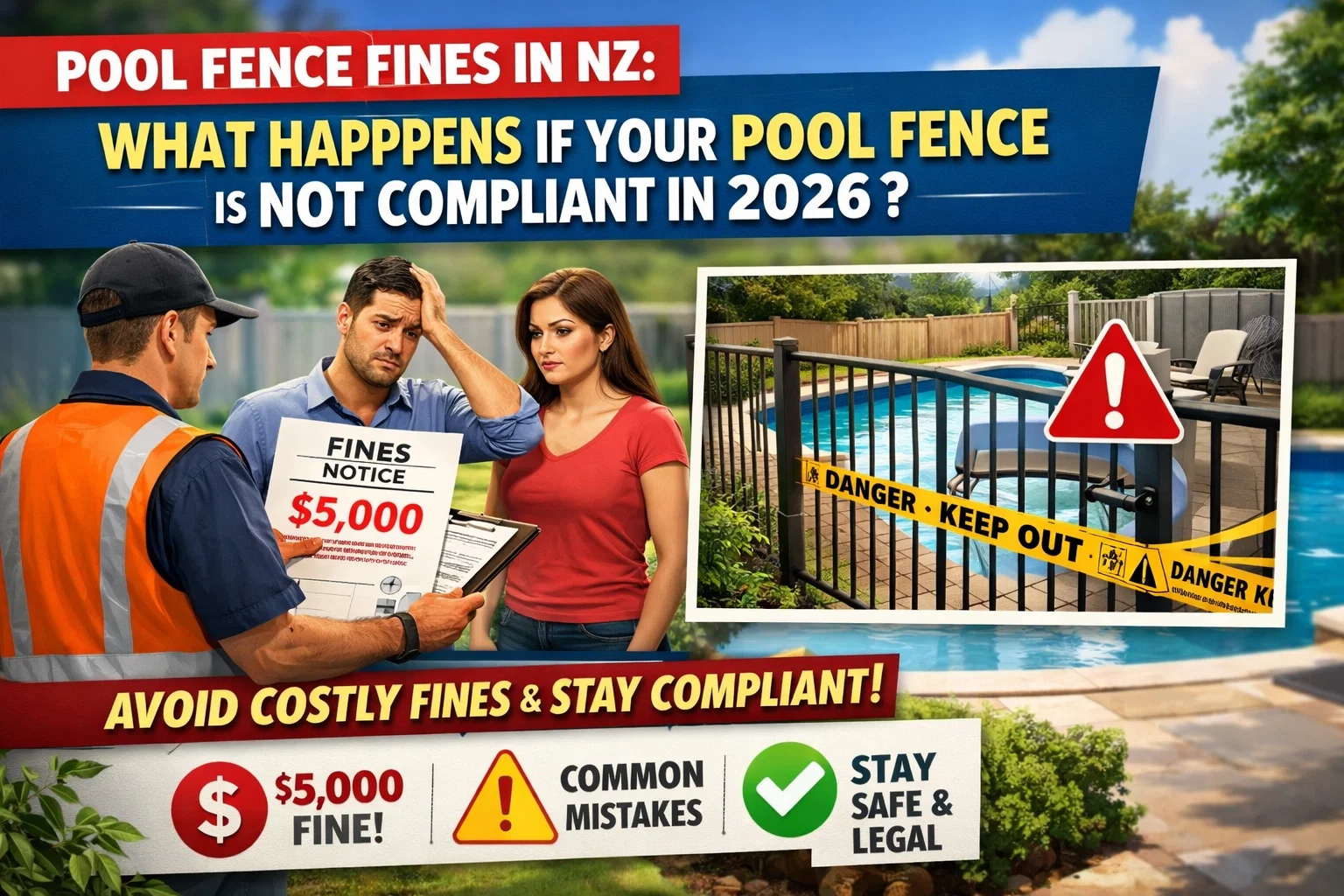
These regulations apply nationwide and are most commonly enforced through council inspection and building consent processes. Choosing compliant glass systems eliminates many approval risks, especially in Auckland and coastal regions where pool usage is common.
Grand Glass specialises in systems that already meet pool fence standards, meaning homeowners can move confidently through the installation and inspection process.
Why Hardware Quality Matters in New Zealand Conditions
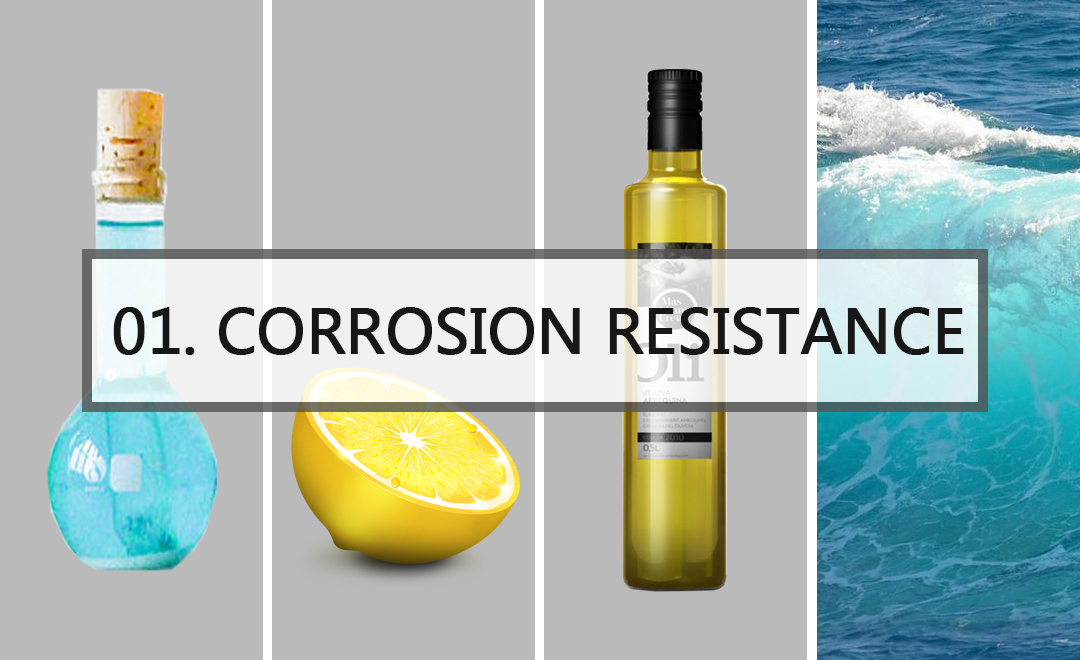
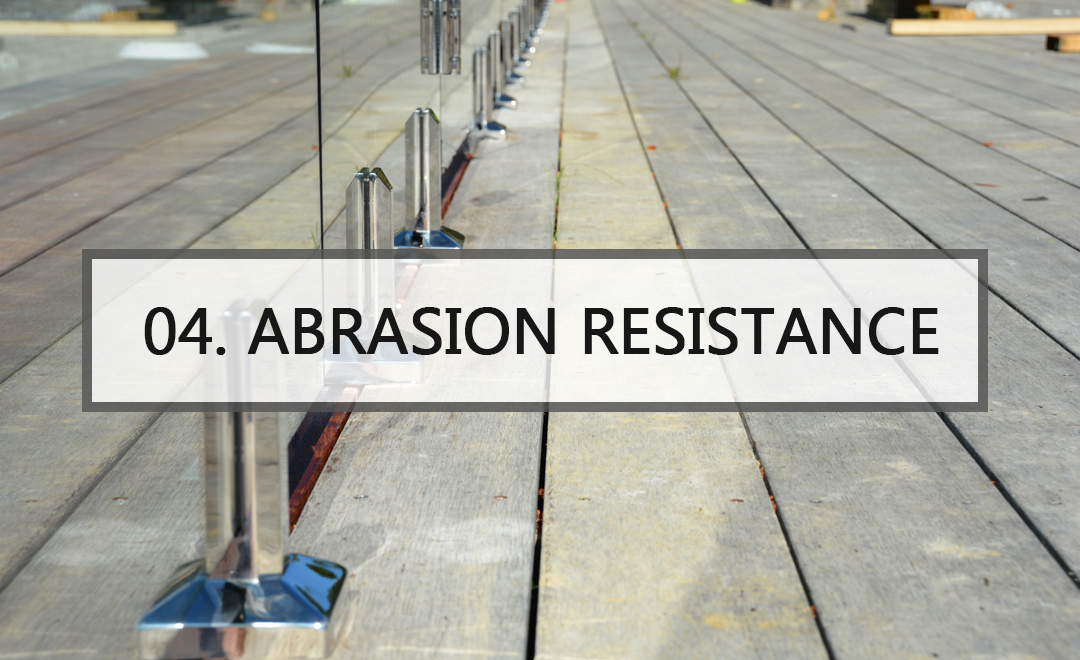
New Zealand is one of the most demanding environments for metal hardware. With coastal humidity, salt-rich air and constant outdoor exposure, low-grade metal can corrode rapidly. That is why stainless steel systems—particularly 304 and marine-grade 316—are essential for long-term durability.
Grand Glass selects hardware based on corrosion resistance, load performance and NZ building-code compatibility, rather than generic hardware parts. This is why the brand is trusted by builders, homeowners and installers who require structural reliability over decades rather than short-term appearance.
Choosing the Right Glass Balustrade System for Your Home or Project
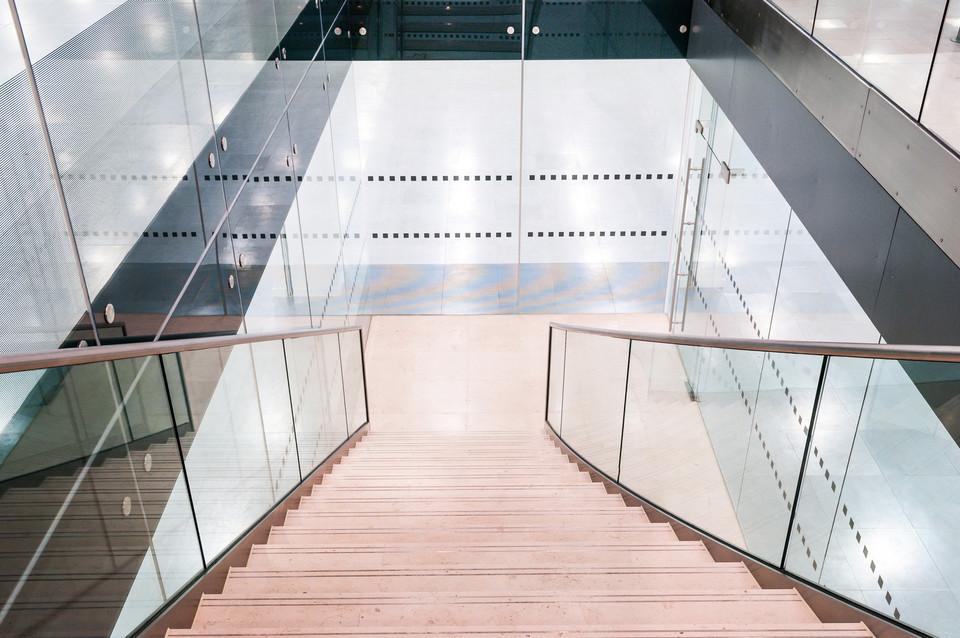
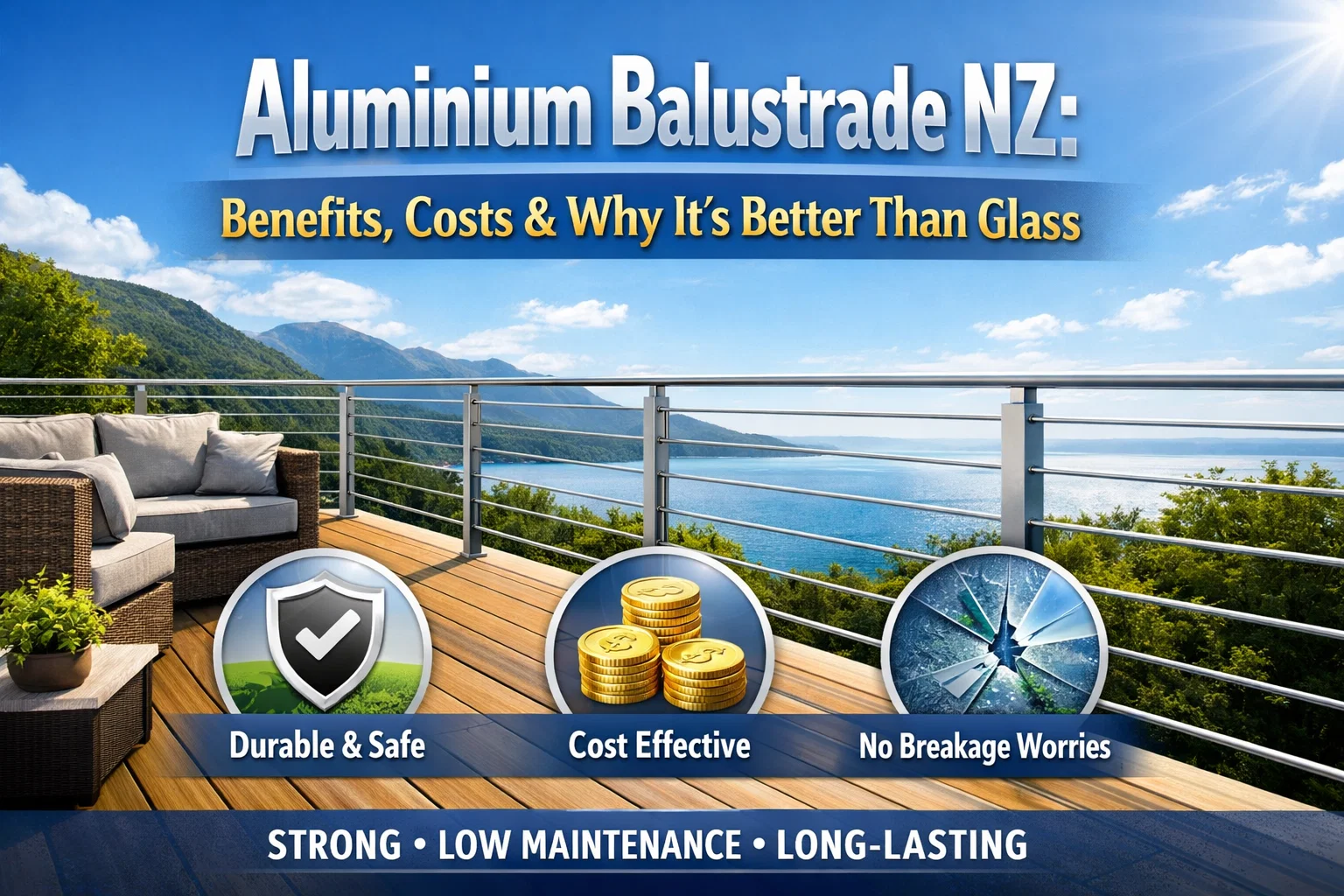
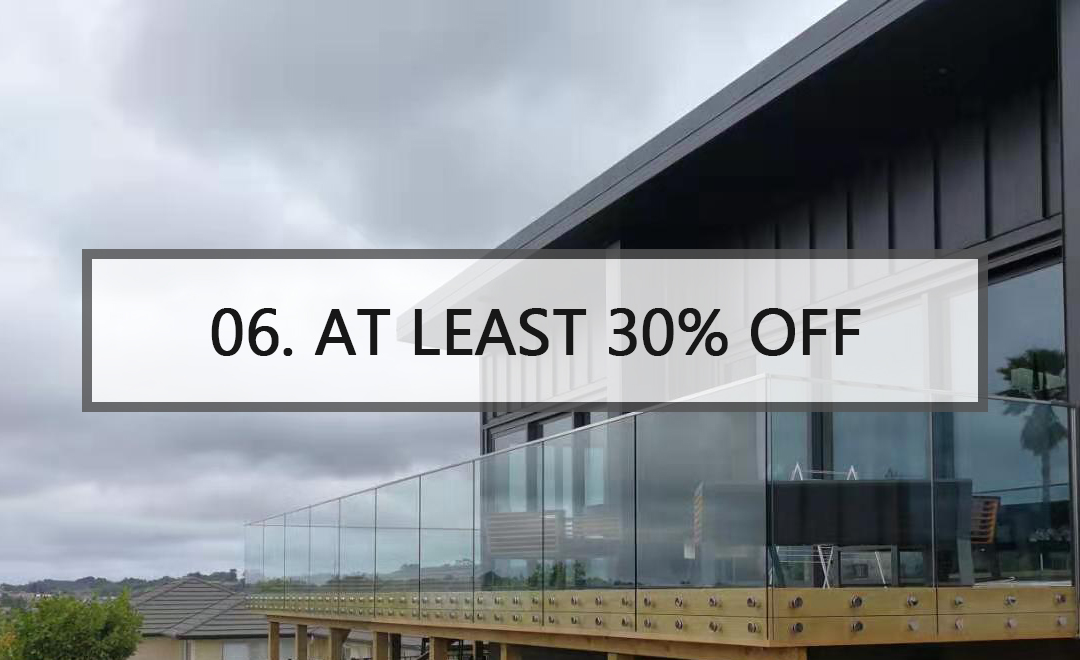
Balustrades are one of the most important architectural safety elements used across decks, balconies, staircases and mezzanine levels. Traditionally timber or aluminium were used, but in modern New Zealand construction, glass balustrades have become the leading solution for residential and commercial environments.
A frameless balustrade system allows homeowners to protect elevated areas while maintaining unobstructed views. Whether overlooking gardens, sea views, pool areas or hillsides, glass has become essential for creating premium architectural outcomes that match New Zealand’s outdoor lifestyle.
The Most Common Glass Balustrade Systems Available
Grand Glass offers multiple balustrade systems designed for different construction environments and design preferences:
- TM square mini post system
- TM round mini post system
- SF mini post system
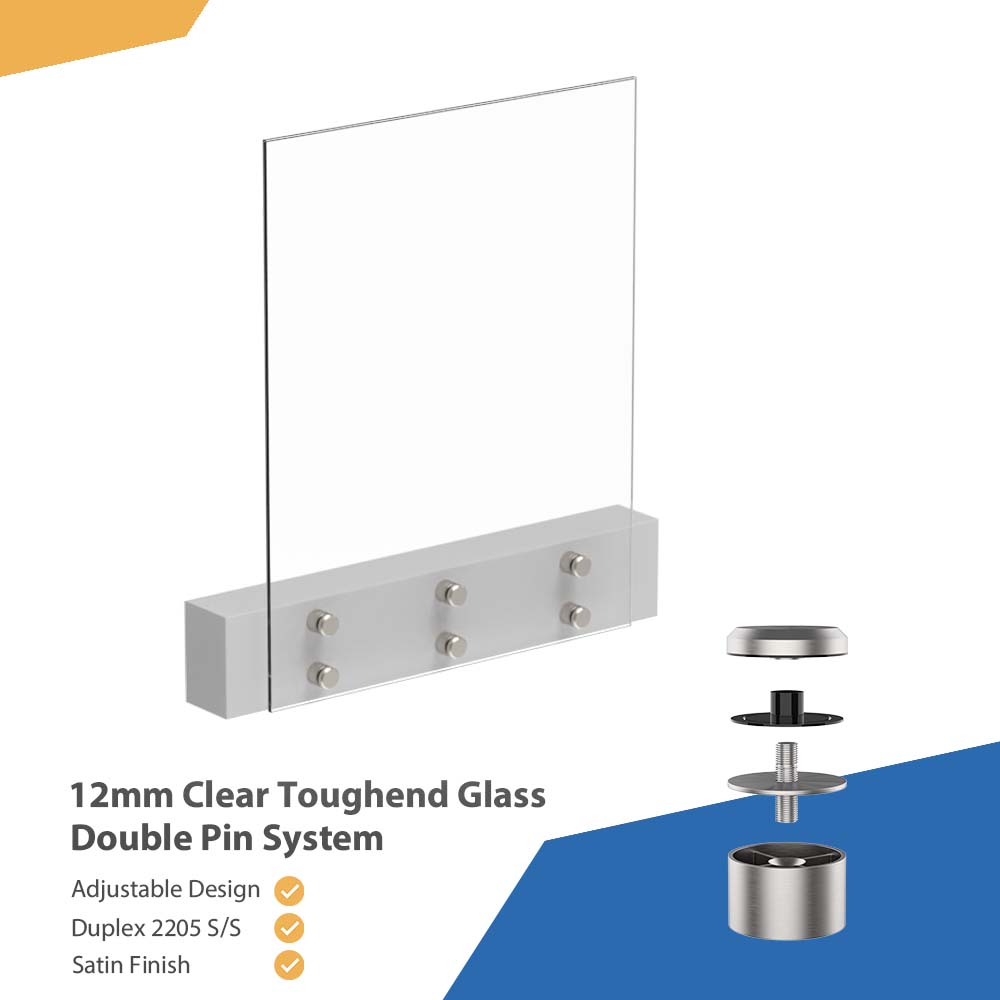
- SF double pin system
- Channel balustrade system
All systems are engineered for maximum strength, particularly in high wind zones. In many regions such as Auckland, North Shore and coastal suburbs, higher wind ratings are required. Channel and mini post systems are specifically engineered to handle stronger loading, making them suitable for exposed outdoor locations.
Mini Post Balustrades
Mini post solutions support the glass above the ground, creating a minimal frame profile. Homeowners prefer this system for roofs, balconies and terraces where visual lines matter. There are multiple sizes and configurations depending on the required load rating and preferred appearance.
Channel Balustrades
These create the cleanest frameless aesthetic by recessing the glass into a floor-mounted channel. Many premium new builds, high-end residential projects and penthouse renovations now specify this system as a standard architectural detail. It is one of the fastest growing premium options across the entire New Zealand balustrade market.
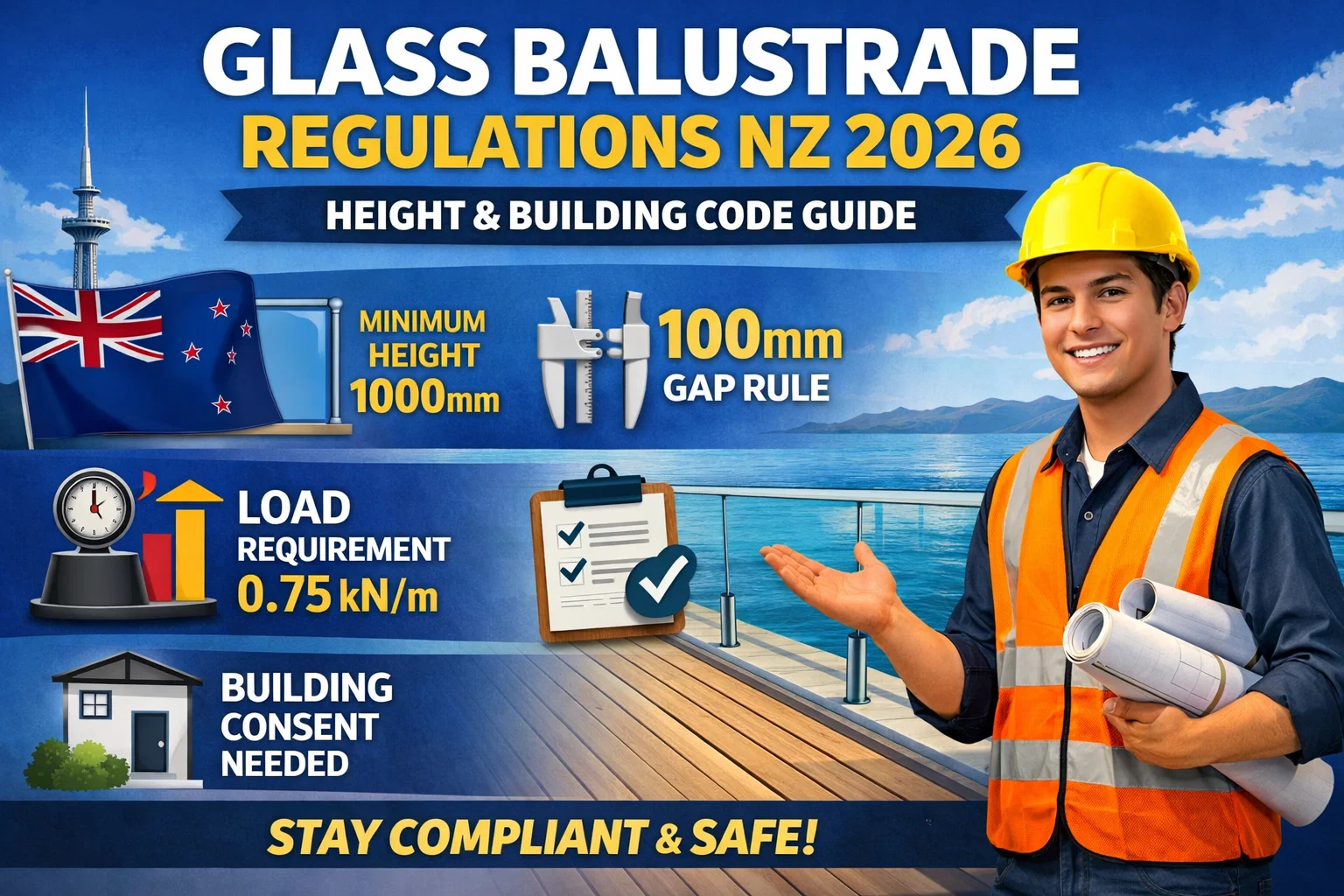
Understanding NZ Balustrade Height Requirements
New Zealand building code specifies minimum balustrade heights depending on the installation location. Common standards include:
- 1000mm minimum height for decks
- 1000mm for balconies and elevated outdoor areas
- 1100mm for commercial and certain high-risk installations
These regulations apply nationwide and form a major part of project planning and inspection. All Grand Glass balustrade systems are designed with these standards in mind. Customers can find detailed technical drawings, glass thickness recommendations and installation instructions on each product page, making specification and installation more straightforward.
Why Handrail Systems Matter in Modern Installations
Handrails form a critical part of many balustrade and stair systems. While many suppliers only sell glass panels, Grand Glass provides complete handrail solutions including:
- 38.1mm slotted rail
- 50.8mm slotted rail
- 5010 flat handrail
- round handrail systems
- matching joiners, end caps and connectors
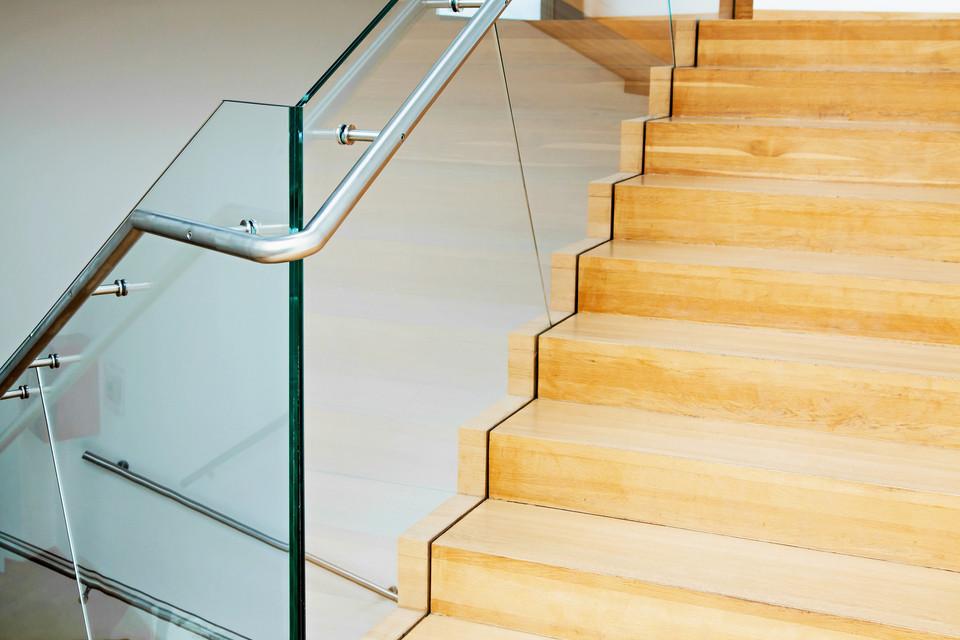
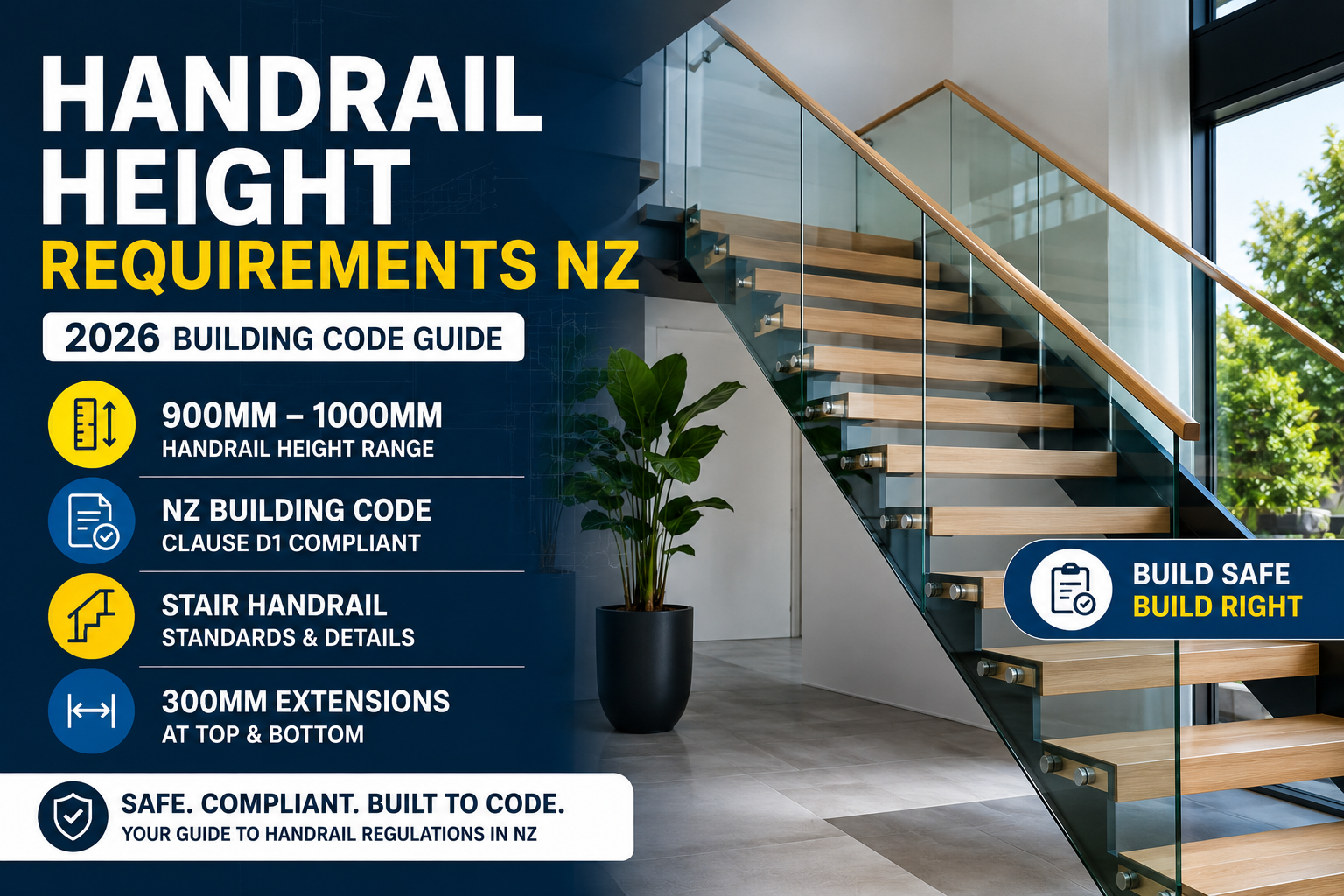
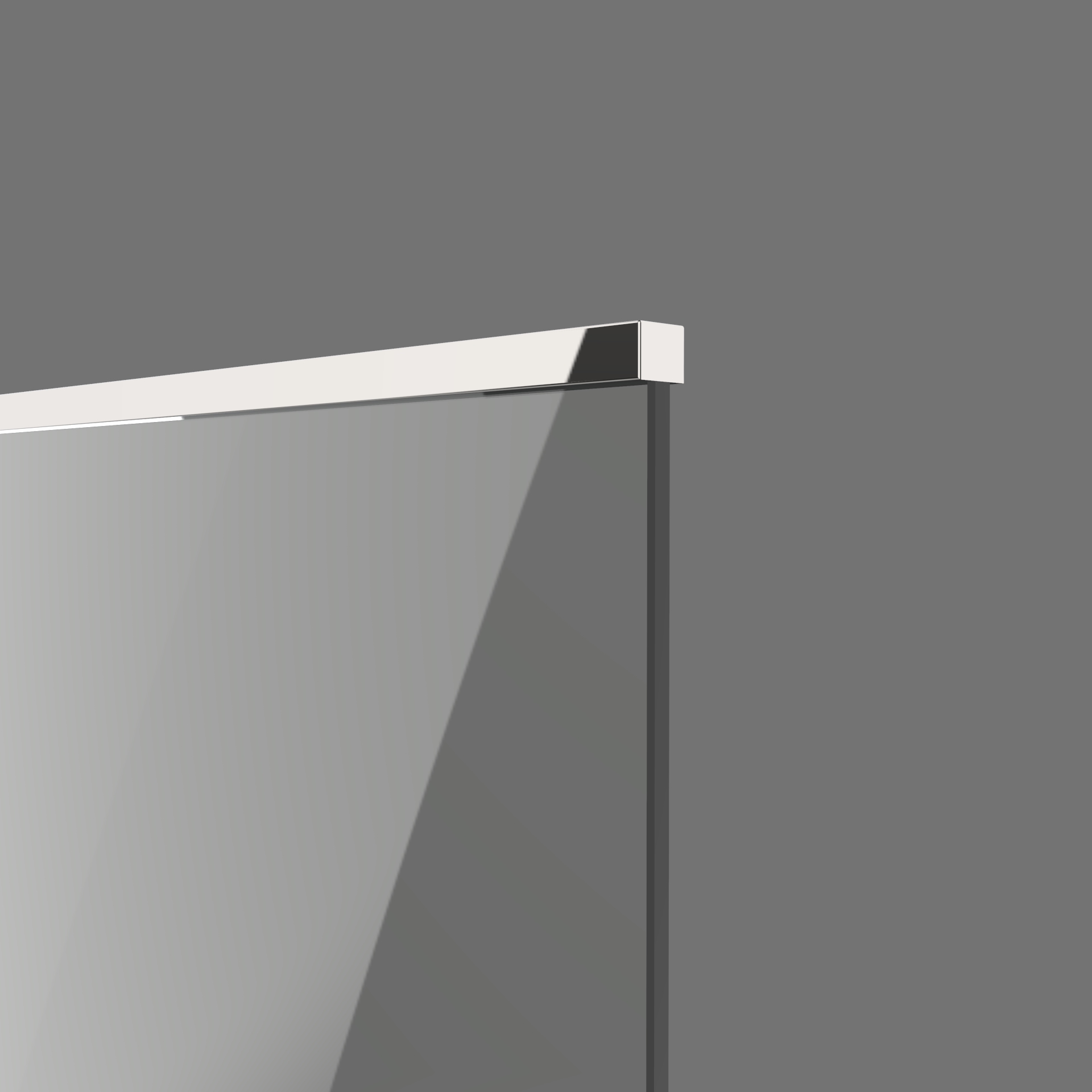
These systems ensure structural support while keeping a streamlined profile. Many homeowners choose slotted rails because they allow the safety handrail to connect directly into the glass for a minimalist appearance without external brackets.
Builders also prefer standardised handrail systems because they reduce custom work, speed up installation and maintain compliance.
Popular Locations for Handrail Installations in NZ Homes
Handrails are used in dozens of residential situations including:
- internal staircases
- apartment balconies
- deck railings
- pool fencing handrails
- commercial stair systems
- public buildings
Slotted rail technology continues to expand due to its structural and aesthetic advantages, especially in modern new builds.
DIY-Friendly Glass and Hardware Systems
One of Grand Glass’s biggest strengths is full compatibility across product categories. Instead of mixing different manufacturers’ parts, homeowners can buy complete systems confidently, knowing that the hardware, glass thickness and load performance already match.
This makes DIY glass projects realistically achievable, especially for:
- backyard pool fencing
- glass shower upgrades
- deck balustrade installation
- handrail retrofits
DIY customers can also order matching screws, pins, channels, clamps and joiners in the same transaction—something traditional glass merchants rarely provide through online ordering.
How NZ Weather Affects Glass Hardware Choices
Humidity, UV exposure, and airborne salt create challenging corrosion conditions throughout New Zealand. For coastal households from Northland and Auckland through Tauranga and Wellington, marine-grade hardware is a practical necessity. That is why Grand Glass selects corrosion-resistant finishes for all major system components.
Coastal wind speed, deck elevation and coastal sea spray all increase material stress, making proper hardware selection extremely important. As a direct importer and specialist, Grand Glass sources hardware that is proven to resist harsh conditions rather than generic retail-grade fittings.
This hardware resilience is one of the biggest differences between specialist suppliers and generic building merchants in New Zealand.




.jpg)