PHONE: 09-4789778
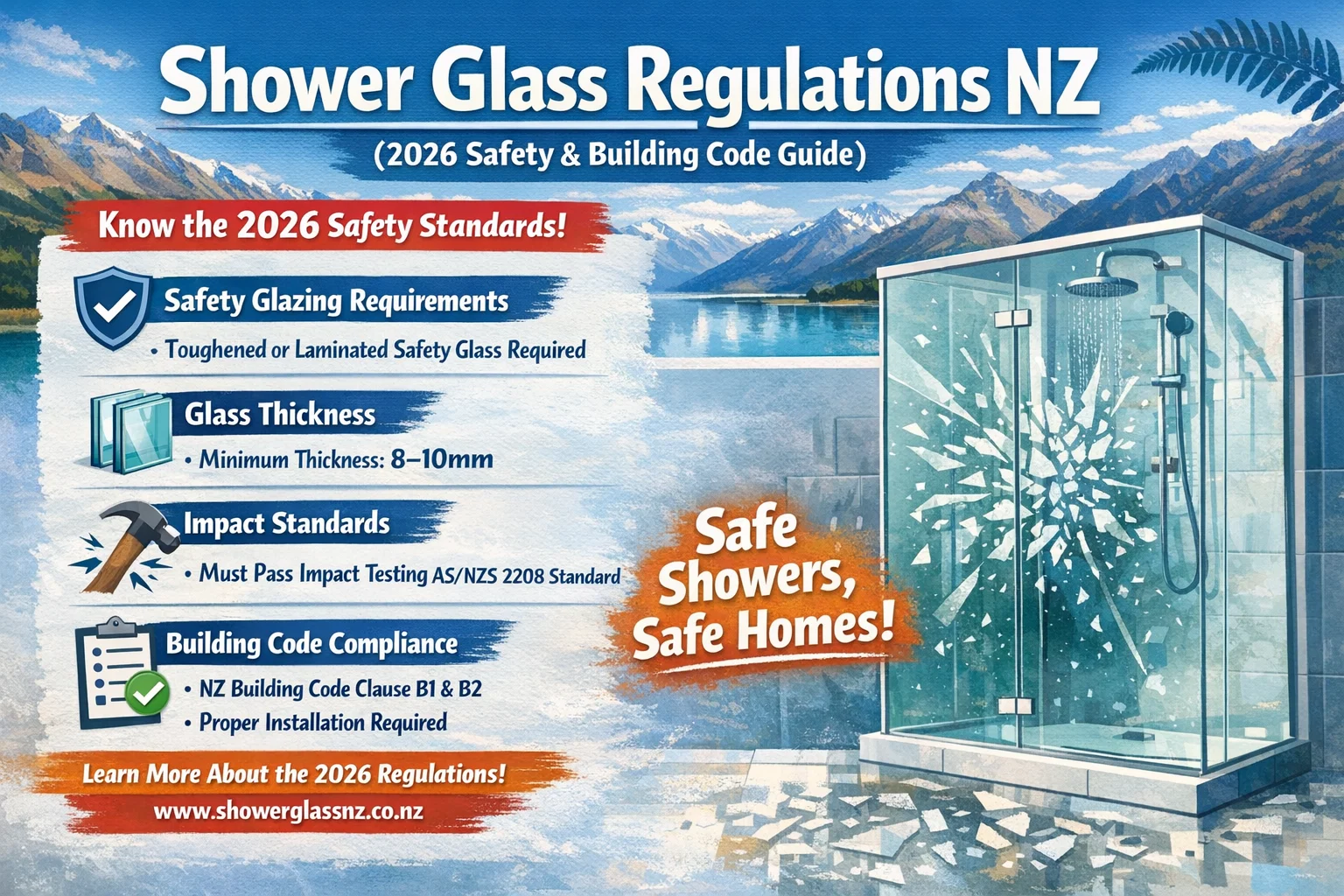
Shower Glass Regulations NZ (2026 Bathroom Safety & Building Code Guide)

Shower Glass Regulations NZ (2026 Bathroom Safety & Building Code Guide)

28/Feb/2026

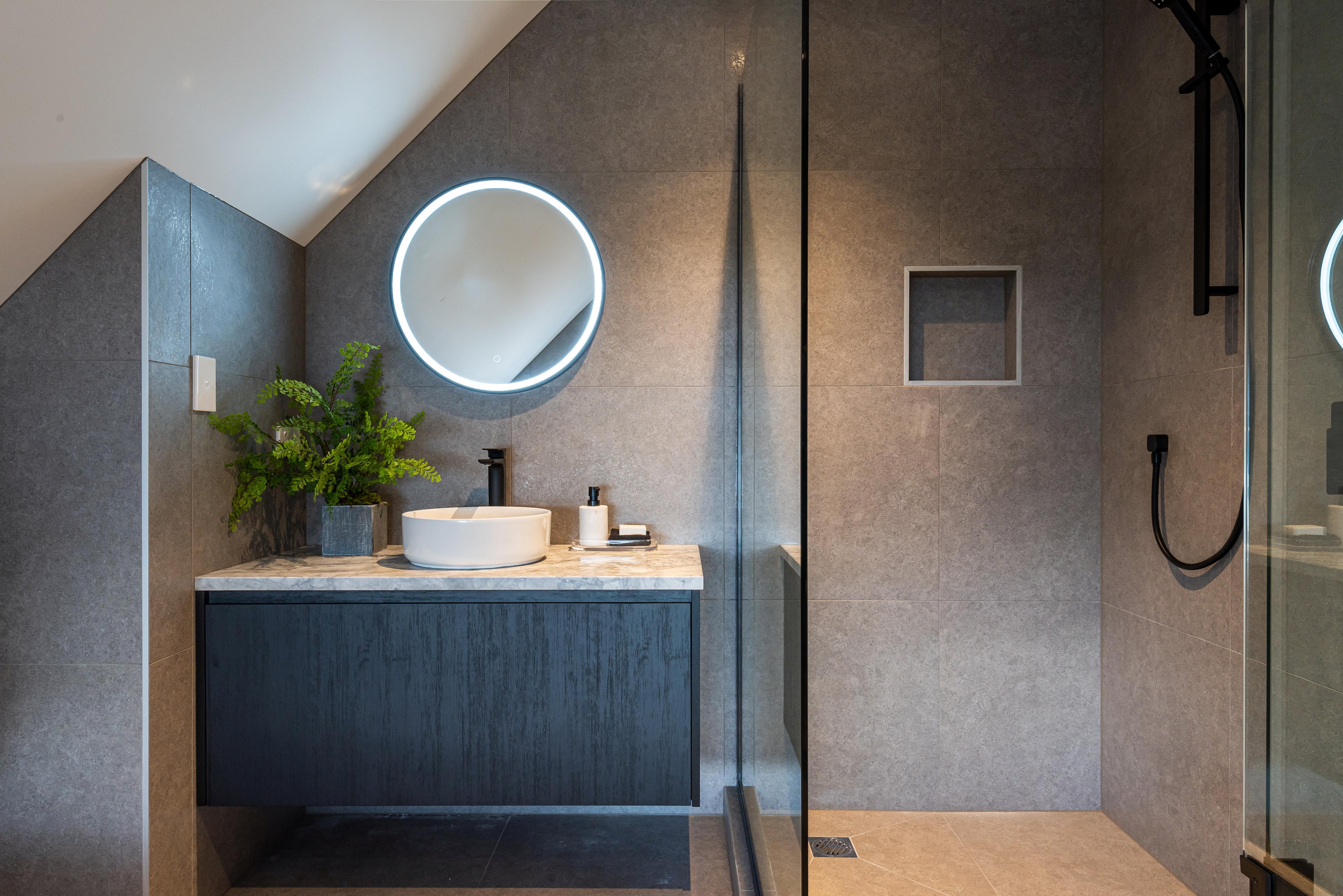
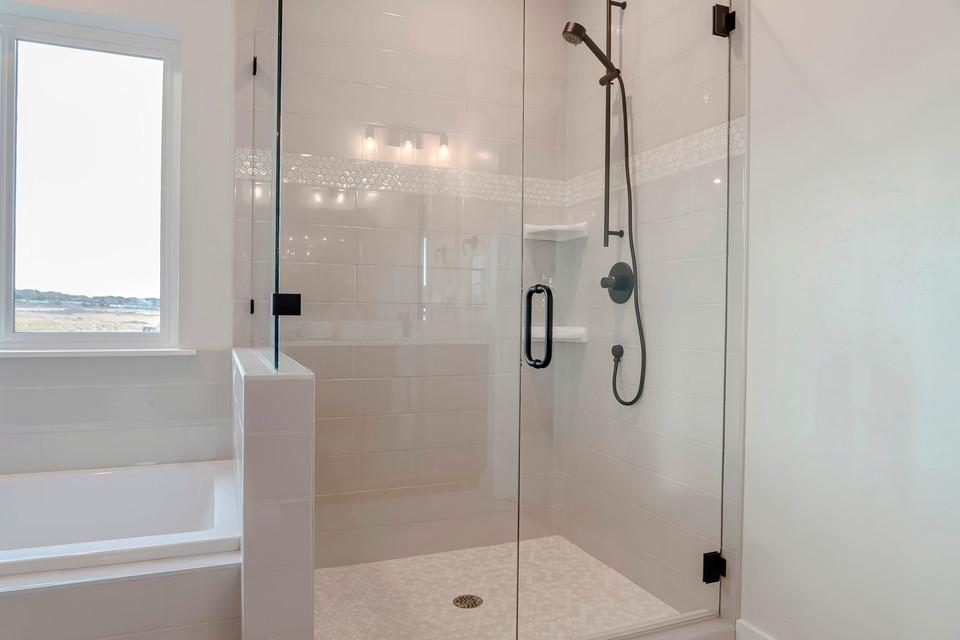
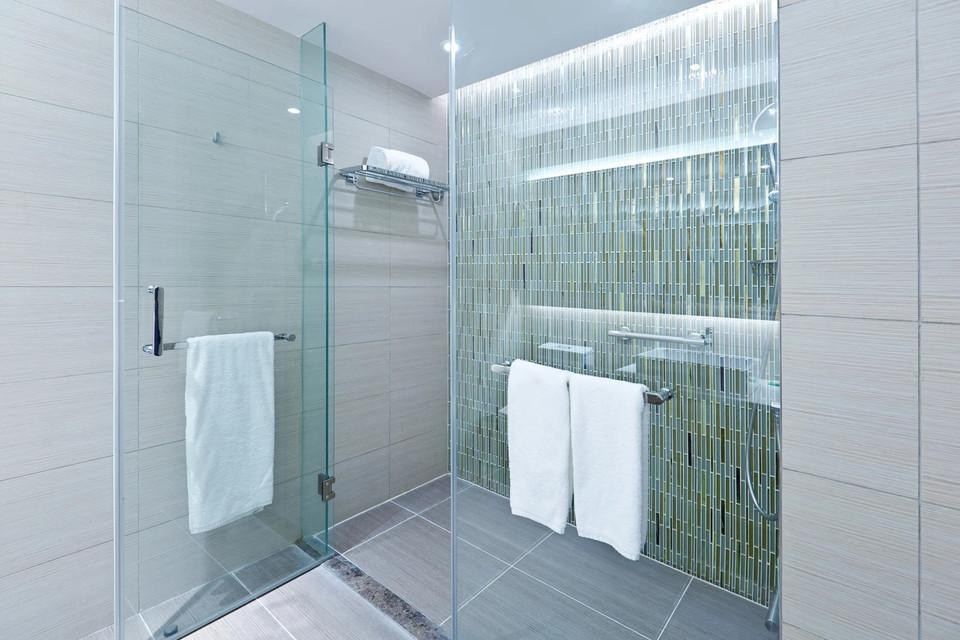
Installing a shower unit in New Zealand requires more than just choosing a design. Shower glass must comply with the NZ Building Code to ensure safety, durability, and legal compliance.

This guide explains the key shower glass regulations in NZ, including safety glazing requirements, glass thickness, impact resistance, installation standards, and building consent considerations.

  1. Does Shower Glass Need to Comply with the NZ Building Code?

Yes.

Under the NZ Building Code (Clause F2 – Hazardous Building Materials), all shower glass must use safety glazing materials to reduce the risk of injury.

Any glass installed in bathrooms, especially within shower enclosures, must meet recognised safety standards.

  1. What Type of Glass Is Required for Shower Units?

Shower enclosures in New Zealand must use:

  • Toughened safety glass (most common)

  • Or laminated safety glass (in some applications)

Standard float glass is not permitted.

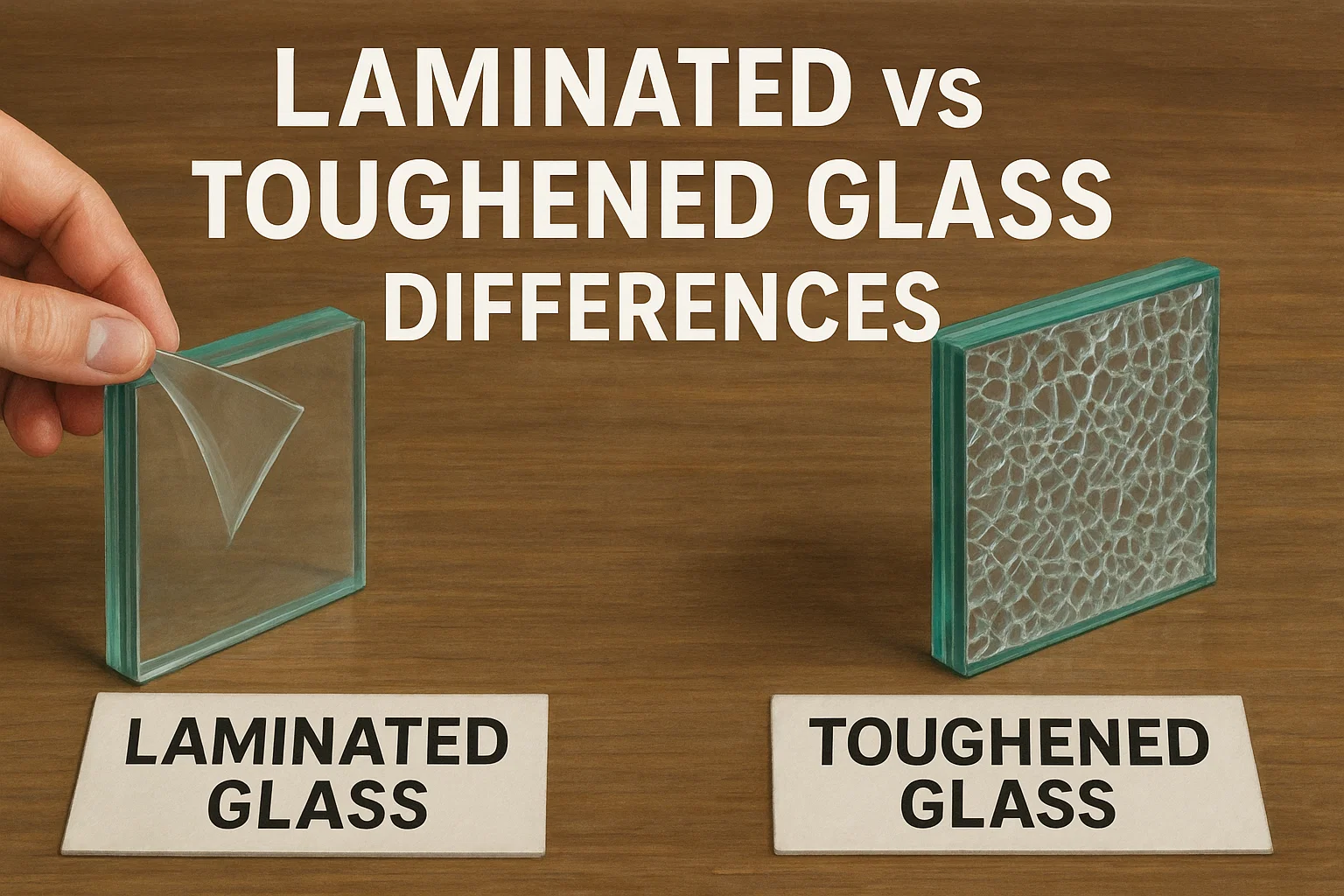
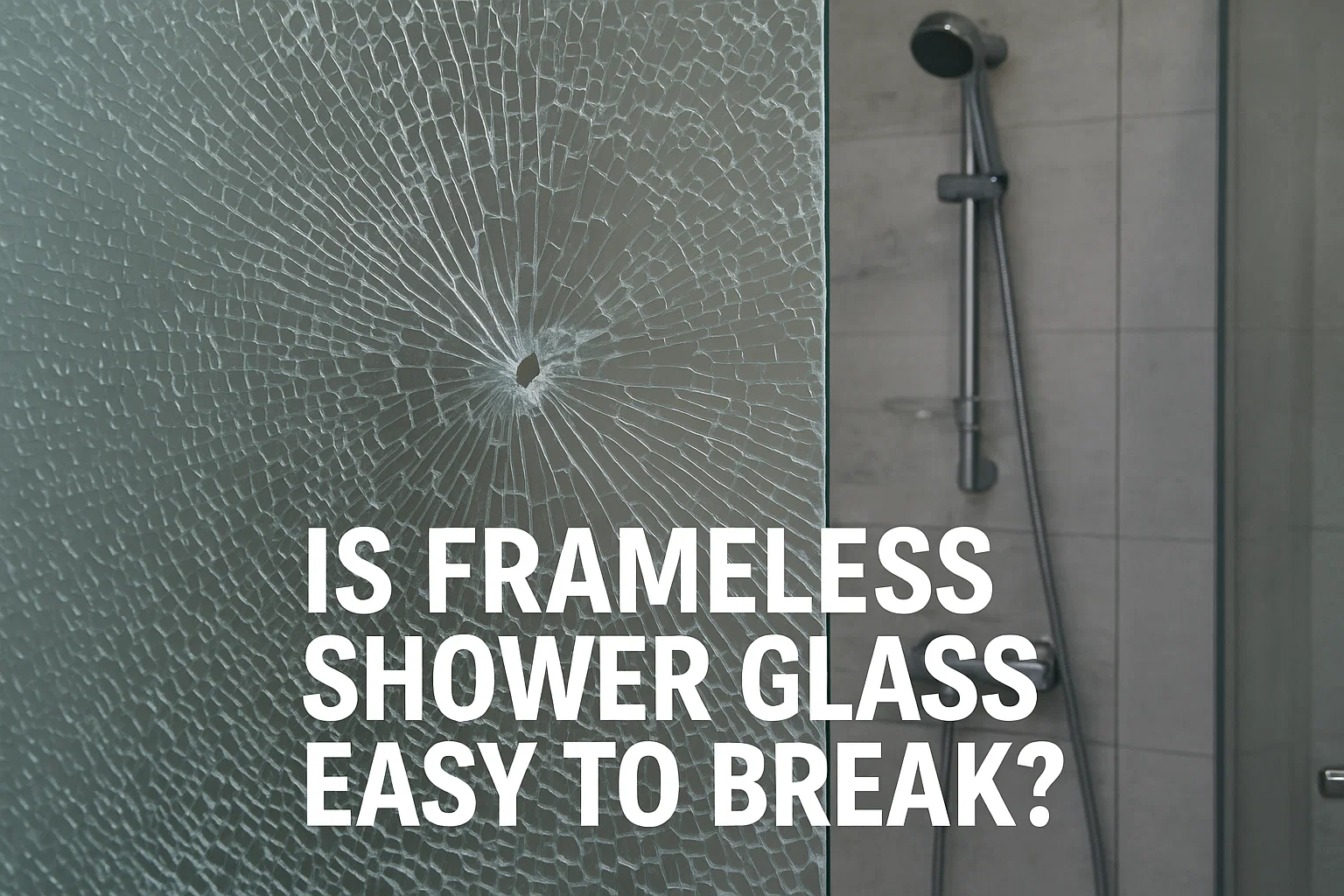
When toughened glass breaks, it shatters into small blunt fragments rather than dangerous shards.

Most residential shower units use:

  • 8mm toughened safety glass

  • 10mm glass for premium frameless systems

All panels must comply with relevant NZ glazing standards.

If you are considering compliant systems, view our Shower Units range here:
https://grandglass.co.nz/shower-units/category/list

  1. Minimum Glass Thickness for Shower Screens

While the Building Code does not always specify exact thickness, industry practice and engineering standards require:

  • 6mm minimum for framed shower screens

  • 8mm or 10mm for frameless or semi-frameless systems

Frameless shower units typically use thicker glass to ensure structural stability.

Glass must be properly edge-finished and free of defects.

  1. Impact and Human Safety Requirements

Shower glass must withstand human impact.

Glass installed in “critical locations” (such as bathrooms and areas within 1500mm of floor level) must comply with impact safety standards.

This ensures that if someone slips in the shower, the glass will not cause severe injury.

Improperly installed or uncertified glass can fail inspection and create liability risks.

  1. Fixings and Hardware Compliance

It is not only the glass that must comply.

Shower hinges, clamps, channels, and fixings must:

  • Be corrosion-resistant

  • Be suitable for wet environments

  • Support the weight of the glass panel

  • Be installed according to manufacturer specifications

Improper hardware installation is one of the most common causes of shower glass failure.

  1. Waterproofing and Installation Standards

Under NZ Building Code Clause E3 (Internal Moisture), bathroom installations must prevent water penetration.

Shower units must:

  • Be installed over compliant waterproofing systems

  • Use appropriate seals

  • Be properly aligned to prevent leakage

Incorrect installation can cause structural damage behind walls and floors.

  1. Do You Need Building Consent for Shower Units?

In most standard bathroom renovations, replacing a shower unit does not require building consent.

However, consent may be required if:

  • Structural elements are altered

  • Waterproofing systems are modified significantly

  • Plumbing layout is changed

Always confirm with your local council or licensed building practitioner.

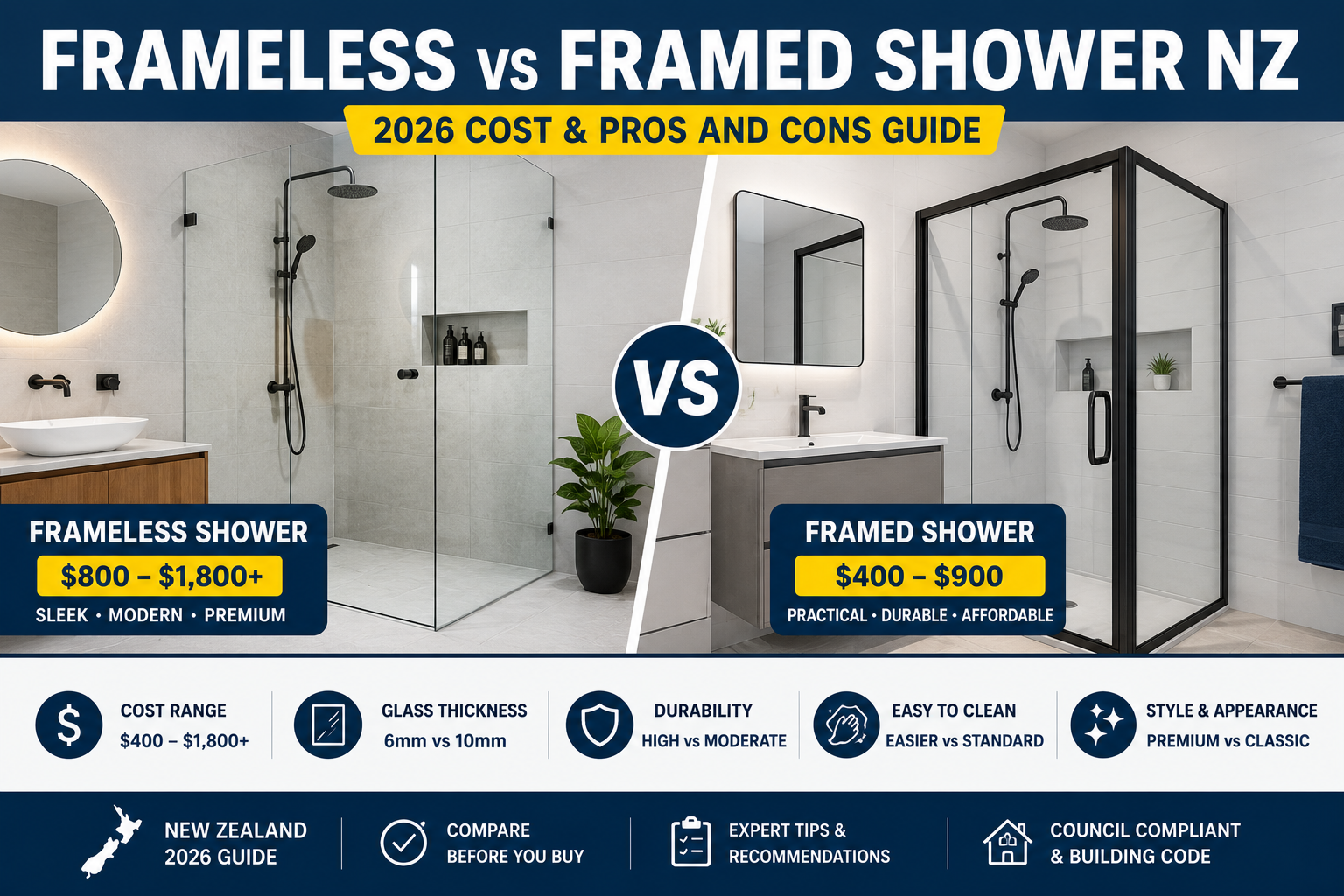
  1. Frameless vs Framed Shower Units

Both are allowed under NZ regulations if compliant.

Frameless shower units:

  • Modern appearance

  • Typically 8–10mm toughened glass

  • Minimal visual obstruction

Framed shower units:

  • Often more cost-effective

  • 6mm safety glass common

  • Additional structural support from framing

Compliance depends on safety glass certification and proper installation.

  1. Common Compliance Issues with Shower Glass

  • Use of non-safety glass

  • Glass thickness below recommended standard

  • Poor hinge or clamp installation

  • Inadequate waterproofing

  • Lack of documentation

Choosing certified products reduces risk.

  1. Choosing a Compliant Shower Unit in NZ

When selecting a shower unit, ensure:

  • Certified toughened safety glass

  • Proper glass thickness

  • Corrosion-resistant hardware

  • Professional installation

  • Compliance with NZ Building Code

If you need advice on selecting the right system, contact our team here:
https://grandglass.co.nz/contact

FAQs About Shower Glass Regulations NZ

Q1: Is toughened glass required for showers in NZ?
Yes. Safety glazing is mandatory in shower enclosures.

Q2: What thickness glass is used for frameless showers?
Usually 8mm or 10mm toughened safety glass.

Q3: Do I need building consent to replace my shower?
Usually no, unless structural or waterproofing systems are altered.

Q4: Can laminated glass be used in shower units?
Yes, provided it meets safety glazing requirements.

Final Thoughts

Shower glass in New Zealand must comply with strict safety glazing and moisture protection requirements. Using certified toughened glass, compliant hardware, and proper installation ensures safety and long-term durability.

Before installation, confirm:

  • Safety glazing compliance

  • Proper glass thickness

  • Suitable hardware

  • Waterproofing integrity

  • Whether building consent is required

Choosing compliant systems protects your home and ensures peace of mind.


Read more

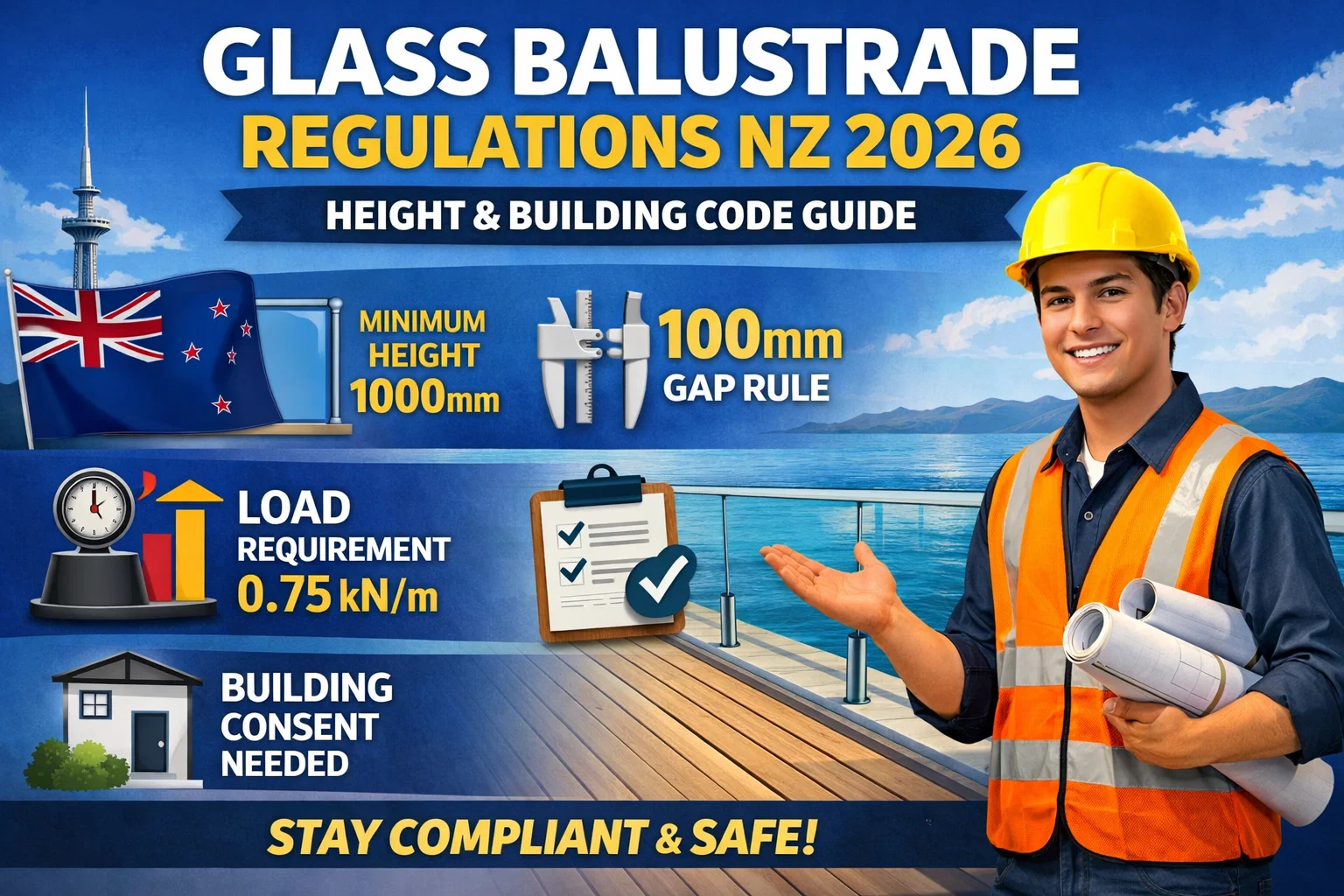
Glass Balustrade Regulations NZ (2026 Height & Building Code Guide)

Glass Balustrade Regulations NZ (2026 Height & Building Code Guide)

28/Feb/2026

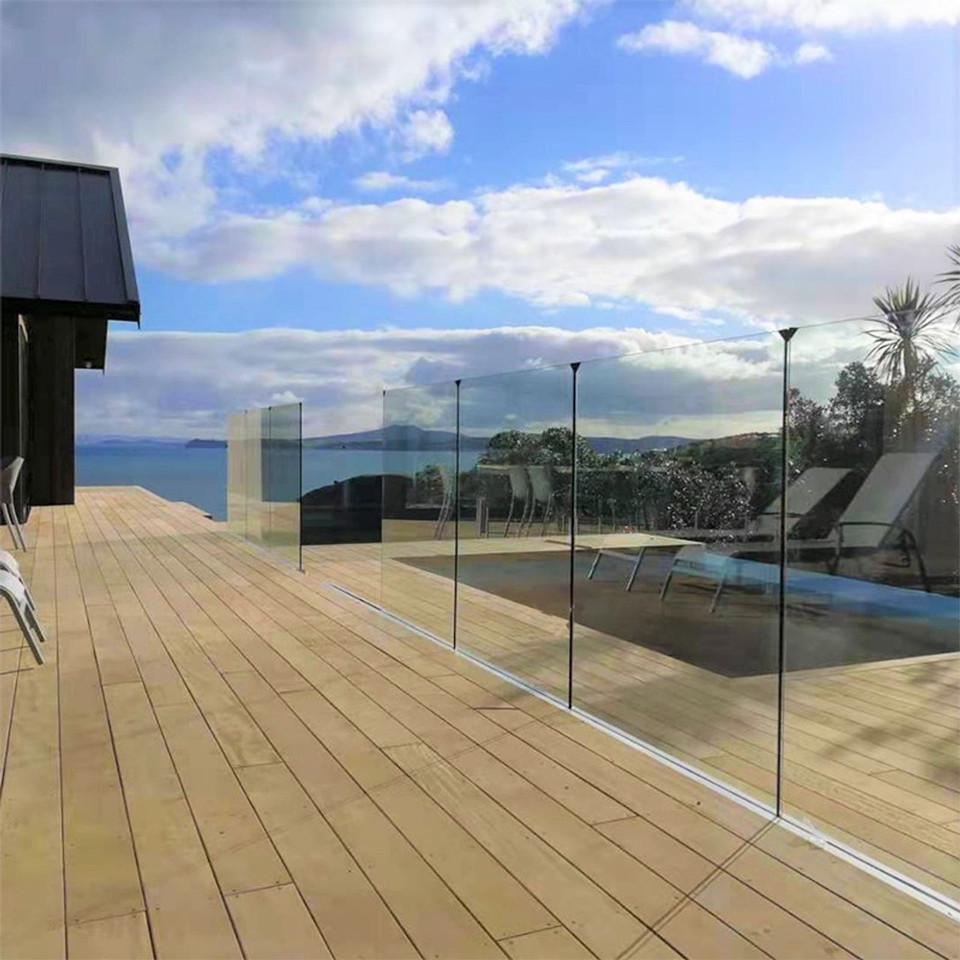
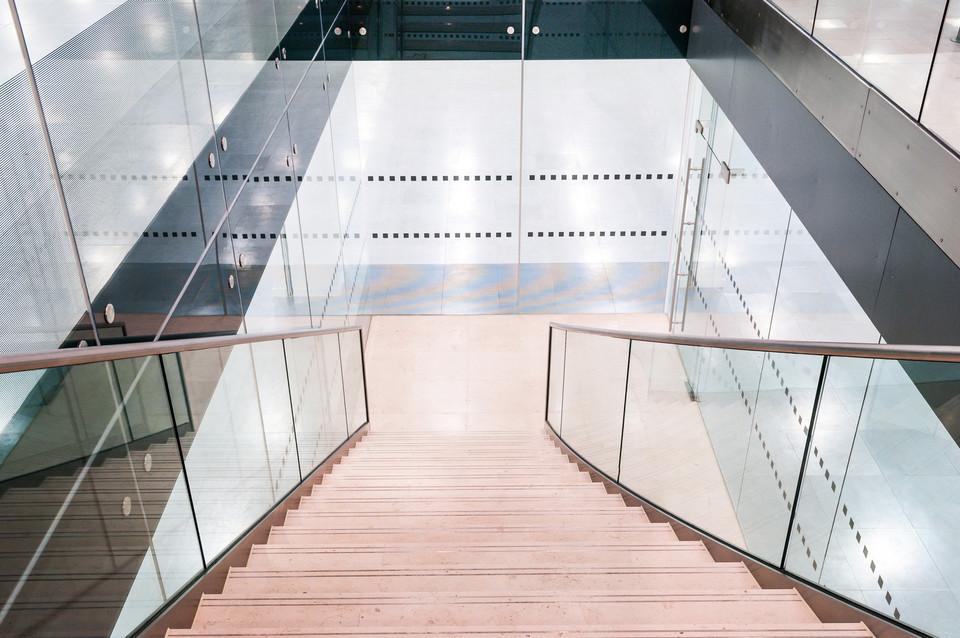
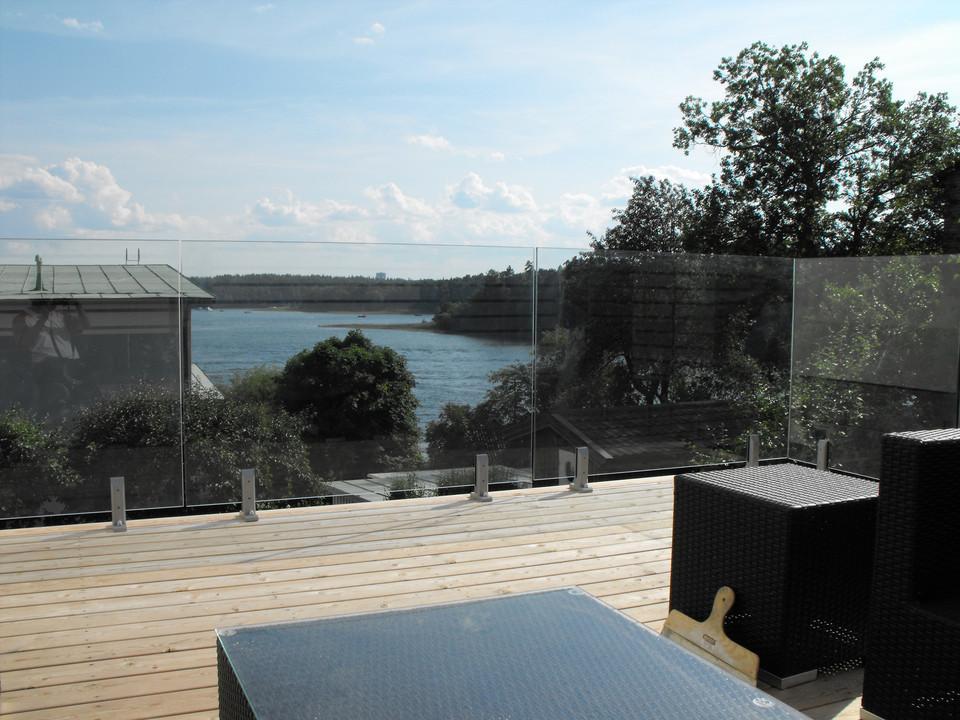
If you are installing a glass balustrade in New Zealand, whether for a deck, balcony, or stairway, it must comply with the New Zealand Building Code. Glass balustrades are popular for their modern appearance and unobstructed views, but they are strictly regulated to ensure safety and structural performance.

This guide explains the key glass balustrade regulations in NZ, including height requirements, gap limits, structural loading, safety glass standards, and building consent requirements.

  1. When Is a Balustrade Required in NZ?

Under the New Zealand Building Code Clause F4 (Safety from Falling), a barrier is required when there is a fall of 1 metre or more.

This applies to:

  • Decks

  • Balconies

  • Landings

  • Stairs

  • Mezzanine floors

If the drop is 1 metre or greater, a compliant balustrade must be installed.

  1. Minimum Height Requirements for Glass Balustrades

The required height depends on the location.

Residential decks and balconies:

  • Minimum height: 1000mm

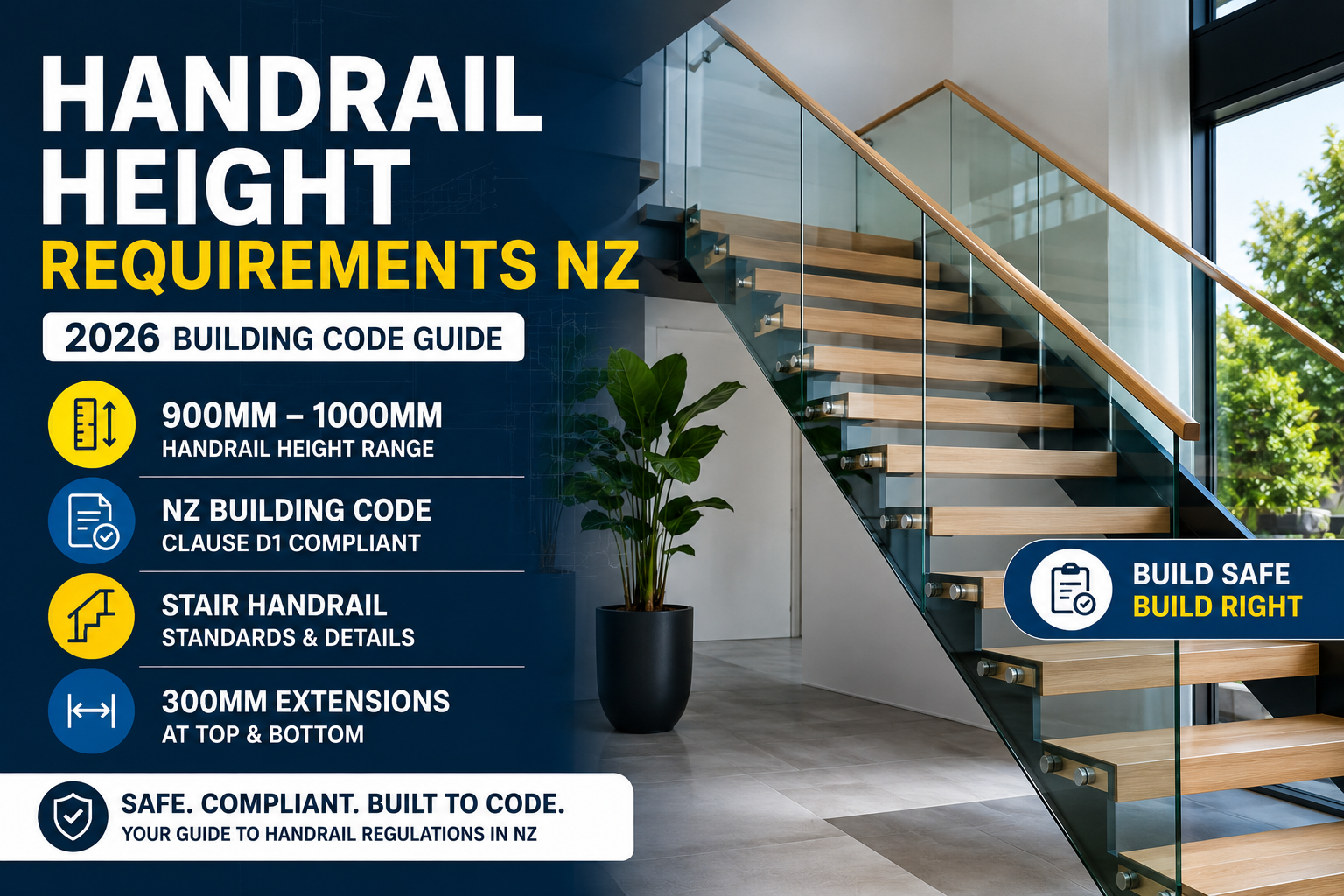
Stairways:

  • Minimum height: 900mm (measured vertically from the stair nosing)

For multi-unit or commercial buildings, higher requirements may apply.

Height is measured from finished floor level on the inside of the balustrade.

  1. Maximum Gap Requirements (100mm Rule)

To prevent children from slipping through, openings must not allow a 100mm sphere to pass through.

This applies to:

  • Gaps between vertical elements

  • Space between glass panels

  • Gap between bottom of glass and floor level

In most residential situations:

  • Maximum opening allowed: 100mm

This is one of the most common compliance failures during inspection.

  1. Structural Load Requirements

Glass balustrades must meet structural load requirements under the Building Code.

Minimum line load requirement:

  • 0.75 kN per metre (residential)

In some situations, higher loads may apply depending on building classification.

The system must be engineered and installed according to manufacturer specifications. Simply using thick glass is not enough — the fixing system must also comply.

  1. Glass Type and Safety Standards

Glass balustrades in NZ must use safety glazing that complies with relevant standards such as NZS 4223 and structural glass requirements.

Typically required:

  • Toughened safety glass

  • Often 10mm or 12mm thick (depending on span and system)

  • Properly edge-finished

  • Installed with compliant spigots, clamps, or channel systems

Frameless systems must be specifically designed for structural performance.

If you are considering compliant systems, view our Glass Balustrade range here:
https://grandglass.co.nz/glass-balustrade-495/category/list

  1. Frameless vs Semi-Frameless Glass Balustrades

Both frameless and semi-frameless glass balustrades are allowed in NZ, provided they meet structural and safety requirements.

Frameless systems:

  • 12mm toughened glass

  • Minimal visual obstruction

  • Modern architectural look

Semi-frameless systems:

  • Glass panels supported by posts

  • Often more cost-effective

  • Easier to engineer for some applications

Compliance depends on installation and engineering, not design style.

  1. Do You Need Building Consent?

In most cases, installing a new glass balustrade requires building consent.

You may need consent if:

  • The balustrade protects a fall of 1 metre or more

  • It is part of a new deck construction

  • It alters structural elements

Auckland Council and other councils require:

  • Building consent approval

  • Inspection after installation

Always confirm with your local council or licensed building practitioner.

  1. Common Reasons Glass Balustrades Fail Inspection

  • Height below 1000mm

  • Gaps exceeding 100mm

  • Incorrect glass thickness

  • Non-compliant fixing hardware

  • Lack of engineering documentation

  • Improper installation

Choosing a certified system reduces risk of rework and delays.

  1. Wind Load Considerations in Coastal Areas

In coastal regions such as Auckland, wind loads can be significant.

Glass balustrade systems must:

  • Be engineered for local wind zones

  • Use compliant fixing methods

  • Meet structural performance requirements

Improper installation can cause compliance failure even if the materials themselves are compliant.

  1. Choosing a Compliant Glass Balustrade in NZ

When selecting a system, ensure:

  • Certified safety glass

  • Engineered structural system

  • Compliant hardware

  • Professional installation

  • Documentation for council approval

If you need assistance selecting a compliant system, contact our team here:
https://grandglass.co.nz/contact

FAQs About Glass Balustrade Regulations NZ

Q1: What is the minimum height for a glass balustrade in NZ?
1000mm for residential decks and balconies, 900mm for stairs.

Q2: What is the maximum gap allowed?
Openings must not allow a 100mm sphere to pass through.

Q3: Can frameless glass meet NZ regulations?
Yes, if engineered and installed according to structural requirements.

Q4: Do I need building consent?
In most cases, yes — especially where fall protection is required.

Final Thoughts

Glass balustrades in New Zealand must comply with strict height, gap, structural load, and safety glazing requirements. Proper planning and selecting a compliant system ensures safety, smooth council approval, and long-term durability.

Before installation, confirm:

  • Height compliance (1000mm)

  • Gap limits (100mm)

  • Structural load performance (0.75 kN/m)

  • Safety glass certification

  • Building consent requirements

A compliant system protects both your property and the people who use it.


Read more

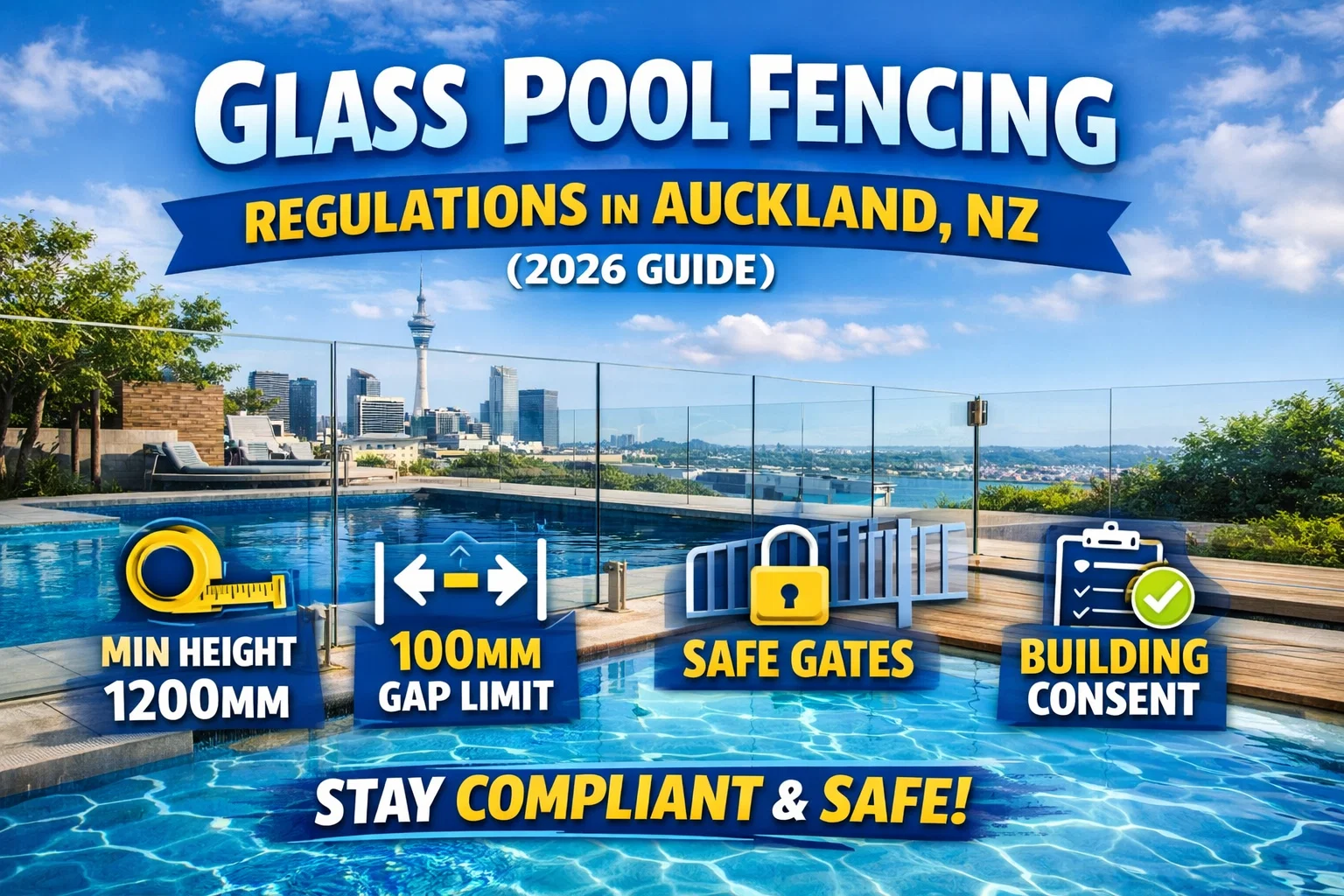
Glass Pool Fencing Regulations in Auckland, NZ (2026 Guide)

Glass Pool Fencing Regulations in Auckland, NZ (2026 Guide)

28/Feb/2026

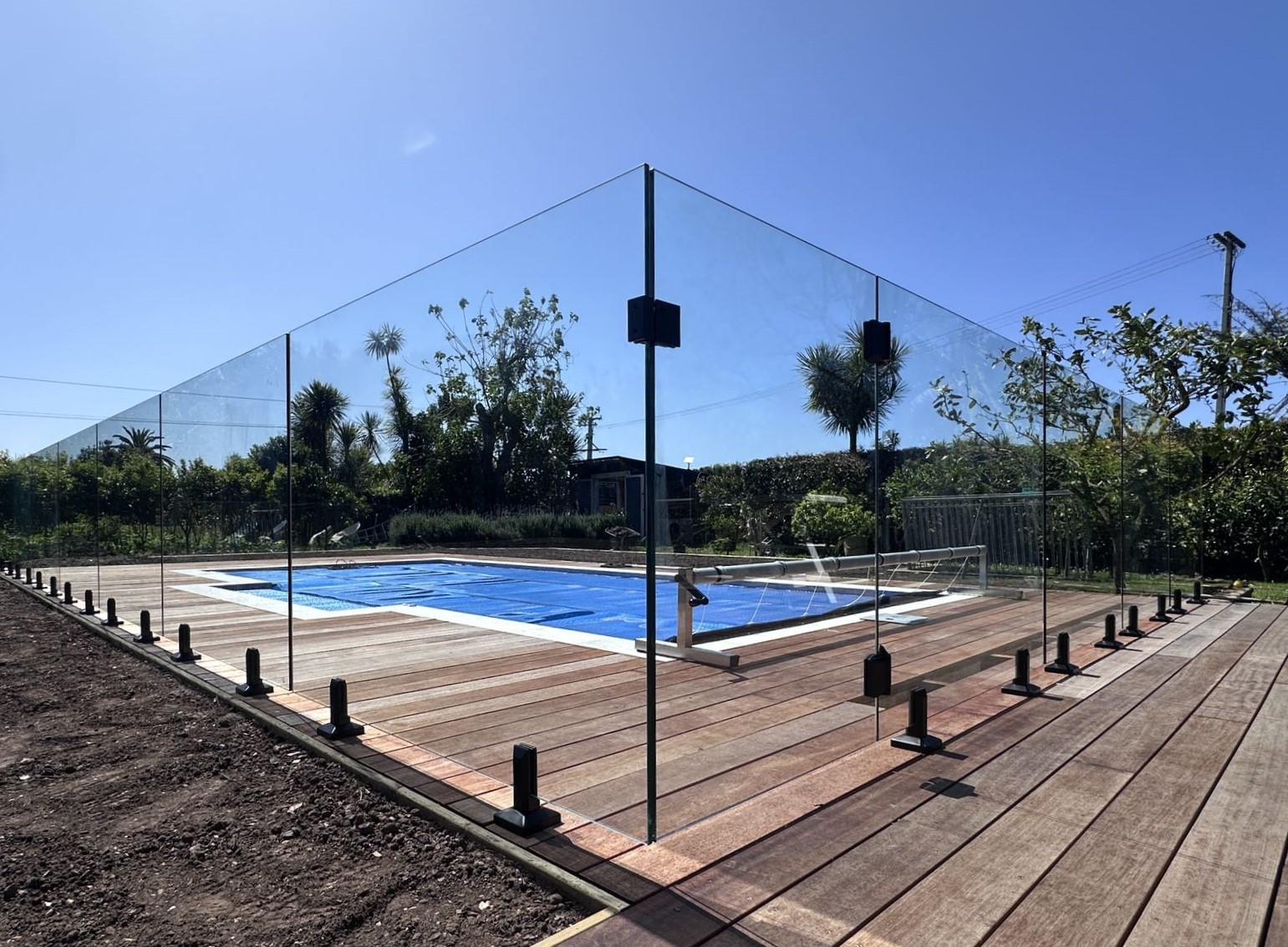
If you're planning to install glass pool fencing in Auckland, it's essential to understand the current New Zealand safety regulations. Pool barriers are strictly regulated under national law to prevent drowning and ensure child safety.

This guide explains the key glass pool fencing requirements in Auckland, including height, gap limits, gate rules, building consent, and compliance standards.


1. What Law Governs Pool Fencing in New Zealand?

Pool fencing in Auckland is regulated under:

  • Building Act 2004

  • Building Code Clause F9 (Means of Restricting Access to Residential Pools)

  • The Building (Pools) Amendment Act 2016

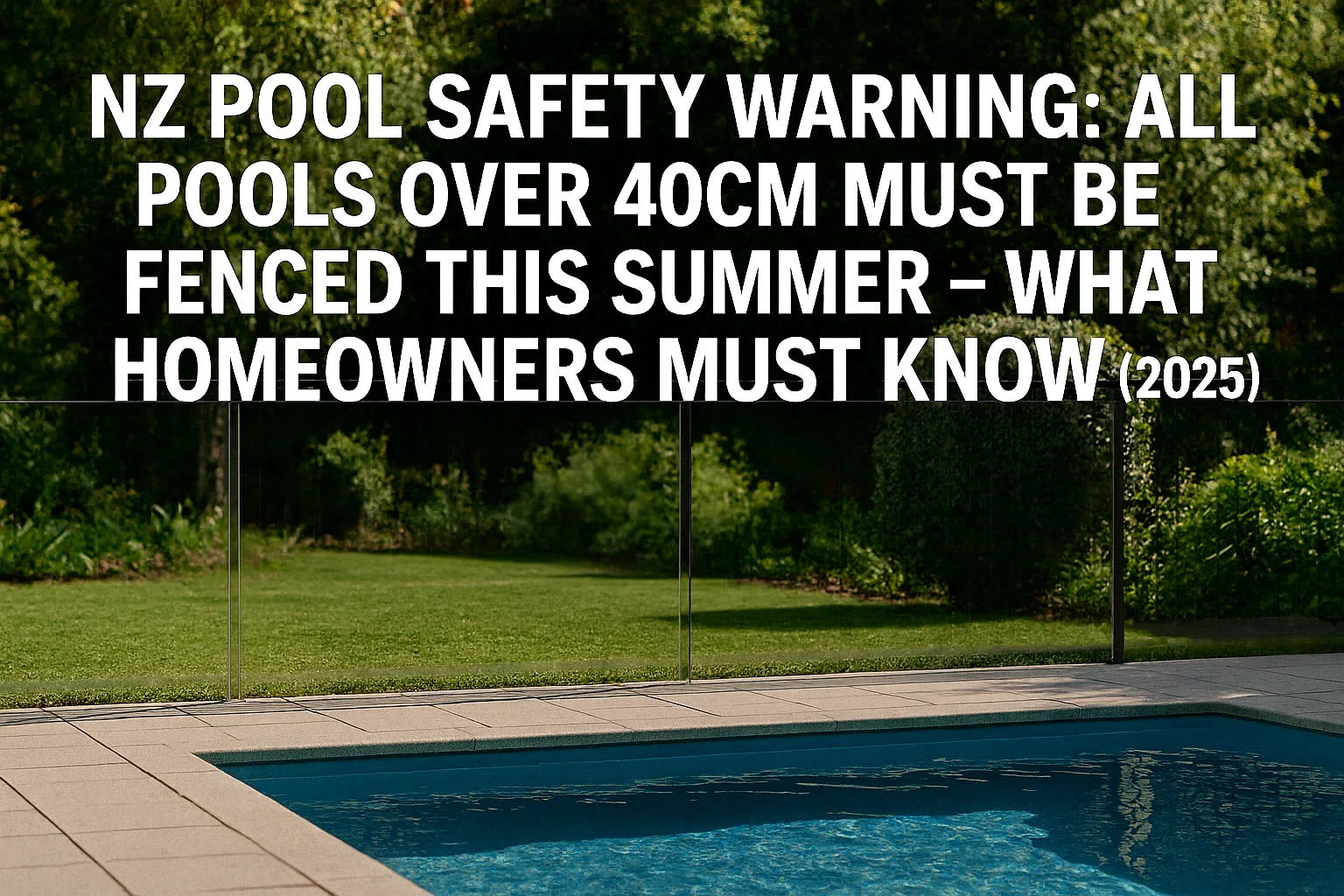
All residential pools deeper than 400mm must have a compliant barrier.

This applies to:

  • In-ground pools

  • Above-ground pools

  • Spa pools (unless lockable cover compliant)

  • Temporary pools


2. Minimum Height Requirements for Glass Pool Fencing

In Auckland and throughout New Zealand:

  • The minimum height of pool fencing must be 1.2 metres (1200mm).

  • Height is measured from finished ground level outside the pool area.

Important:
There must be no climbable objects within 1.2 metres of the outside of the fence.


3. Maximum Gaps and Spacing Rules

To prevent children from squeezing through, strict spacing rules apply.

Glass panels:

  • No gap greater than 100mm between panels.

  • Gap between the bottom of the glass and ground must not exceed 100mm.

Vertical elements (if used):

  • Openings must not allow a 100mm sphere to pass through.

These requirements are critical for compliance inspection.


4. Glass Requirements – What Type of Glass Is Allowed?

Glass pool fencing must use safety glazing that complies with NZ standards.

Typically required:

  • Toughened safety glass

  • Minimum 10mm or 12mm thick (depending on span)

  • Must comply with NZS 4223 and relevant structural loading standards

All glass panels must be securely fixed using certified spigots, clamps, or channel systems.

If you're considering compliant systems, view our Glass Pool Fencing range here:
https://grandglass.co.nz/glass-pool-fencing/category/list


5. Pool Gate Requirements

Pool gates are one of the most common reasons for failed inspections.

Requirements include:

  • Must open outward (away from pool)

  • Must be self-closing

  • Must be self-latching

  • Latch must be at least 1500mm above ground OR inaccessible to small children

Regular maintenance is required to ensure gates close automatically.

See compliant Glass Gate Systems here:
https://grandglass.co.nz/product/category/glass-gate-system


6. Do You Need Building Consent in Auckland?

In most cases, installing a new pool fence in Auckland requires building consent.

Auckland Council requires:

  • Building consent application

  • Final inspection after installation

  • Mandatory pool barrier inspections every 3 years

Failure to comply may result in fines.

Always confirm requirements with Auckland Council or a licensed building practitioner.


7. Wind Load and Structural Compliance

Auckland's coastal conditions mean wind loads must be considered.

Glass pool fencing systems must:

  • Be structurally engineered

  • Meet load resistance standards

  • Be installed according to manufacturer specifications

Improper installation can cause compliance failure even if materials are compliant.


8. Frameless vs Semi-Frameless Glass Pool Fencing

Both are allowed under NZ regulations if compliant.

Frameless:

  • Clean, modern look

  • 12mm toughened glass

  • Spigot or channel system

Semi-frameless:

  • Uses posts between panels

  • Often more cost-effective

The key factor is compliance, not design style.


9. Common Reasons Pool Fences Fail Inspection in Auckland

  • Gate does not self-close

  • Latch too low

  • Gaps larger than 100mm

  • Climbable objects near fence

  • Fence height below 1200mm

  • Incorrect glass thickness

Pre-inspection checks can save time and rework costs.


10. Choosing a Compliant Glass Pool Fence in Auckland

When selecting a system, ensure:

  • Certified safety glass

  • Compliant hardware

  • Professional installation

  • Documentation for council approval

If you're unsure which system suits your property, get in touch:
https://grandglass.co.nz/contact


FAQs About Glass Pool Fencing in Auckland

Q1: What is the minimum height for glass pool fencing in Auckland?
1200mm from finished ground level.

Q2: What is the maximum gap allowed?
No more than 100mm.

Q3: Does frameless glass meet Auckland regulations?
Yes, if it meets structural and safety glazing standards.

Q4: Do spa pools need fencing?
If not fitted with an approved lockable cover, yes.

Q5: How often are pool fences inspected?
Auckland Council requires inspection every 3 years.


Final Thoughts

Glass pool fencing in Auckland must meet strict safety regulations designed to protect children and comply with national building laws.

Before installation, confirm:

  • Height compliance (1200mm)

  • Gap limits (100mm)

  • Certified safety glass

  • Compliant gate hardware

  • Building consent requirements

Choosing the right system ensures safety, avoids fines, and guarantees smooth council approval.


Read more

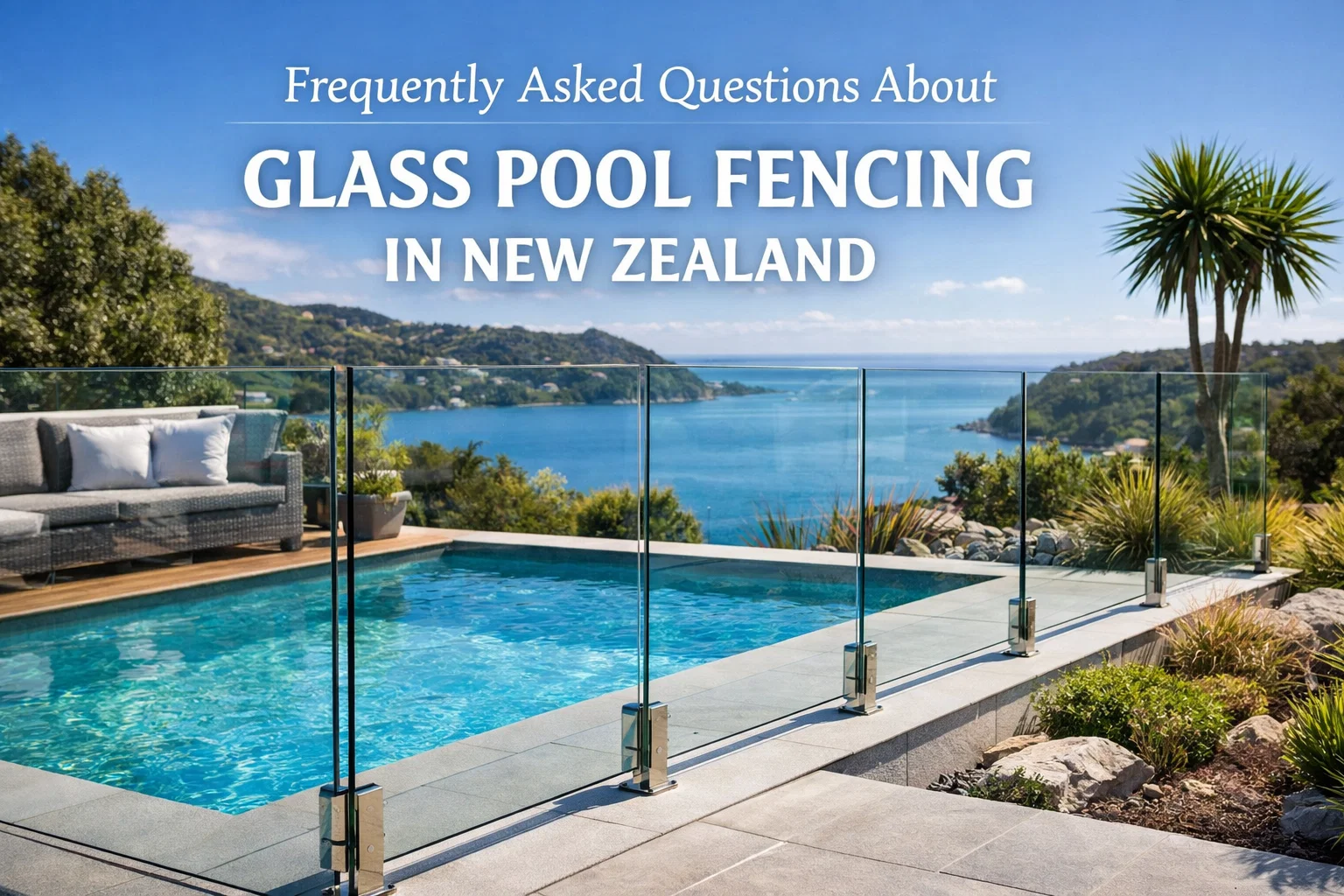
Frequently Asked Questions About Glass Pool Fencing in New Zealand

Frequently Asked Questions About Glass Pool Fencing in New Zealand

27/Jan/2026

In New Zealand, installing a pool fence is not just a design choice — it is a legal safety requirement. While glass pool fencing is one of the most commonly approved solutions, many homeowners are surprised to discover that installations can still fail council inspection due to small but critical details.

This guide explains how glass pool fencing is assessed in real New Zealand inspections, the most common compliance mistakes, and how to choose a system that meets both safety and practical requirements.


How Pool Fence Inspections Work in New Zealand

Local councils are responsible for assessing pool fence compliance. While procedures vary slightly between regions, inspectors generally focus on risk prevention, not appearance.

They are looking for one thing:
Can a young child access the pool area without adult supervision?

Glass pool fencing performs well during inspections because it removes many common loopholes found in timber or aluminium fences — but only when installed correctly.


The Most Common Reasons Glass Pool Fencing Fails Inspection

1. Fence Height Reduced After Landscaping or Decking

New Zealand regulations require a minimum fence height of 1.2 metres, measured from the finished ground level.

A frequent failure occurs when:

  • Decking is added after fence installation

  • Ground levels change due to landscaping

  • Sloped areas are measured incorrectly

Inspectors measure from the final surface, not the original build height. Glass panels offer consistent factory heights, but site conditions must be finalised before inspection.


2. Climbable Zones Are Overlooked

One of the most misunderstood inspection rules is the non-climbable zone around the pool fence.

Common issues include:

  • Outdoor furniture placed near glass panels

  • Planter boxes or retaining walls within reach

  • Pool pumps, heat pumps, or filter units too close to the fence line

Because glass fencing is transparent, homeowners often forget that climbable objects still pose a risk — inspectors do not.


3. Pool Gates That Do Not Close Reliably

A pool fence is only as strong as its gate.

Inspectors will test:

  • Whether the gate self-closes from different opening angles

  • If the latch engages every time

  • Whether wind affects the closing mechanism

A gate that closes “most of the time” will fail inspection. Using a certified glass gate system with self-closing hinges is essential.

You can view compliant gate hardware here:
https://grandglass.co.nz/product/category/glass-gate-system


Why Glass Pool Fencing Is Often Easier to Approve

Compared to other fence types, glass pool fencing offers several compliance advantages:

  • Fixed panel heights reduce measurement errors

  • Minimal gaps simplify safety assessment

  • Strong fixing systems perform well in high-wind and coastal environments

  • Clear visibility improves supervision without compromising safety

For homeowners who want to minimise inspection risk, selecting a complete glass pool fencing system designed for New Zealand conditions is often the most reliable approach.

Explore compliant systems here:
https://grandglass.co.nz/glass-pool-fencing/category/list


Frameless vs Semi-Frameless Glass Pool Fencing: Inspection Perspective

Both frameless and semi-frameless systems can pass inspection, but inspectors often favour designs with fewer climbable features.

Frameless glass fencing

  • Fewer footholds

  • Cleaner measurement lines

  • Popular for modern homes and decks

Semi-frameless glass fencing

  • Additional posts for structural support

  • Common in high-wind or uneven ground areas

  • Requires careful post spacing and fixing compliance

The right choice depends on site conditions, not just appearance.


Practical Checklist Before Booking a Council Inspection

Before requesting inspection approval, homeowners should:

  • Test all pool gates repeatedly from different angles

  • Remove furniture and movable objects near the fence

  • Confirm fence height after all landscaping is complete

  • Check that hinges, clamps, and fixings are secure

These steps alone prevent a large percentage of failed inspections.


Is Glass Pool Fencing the Right Choice for Your Property?

For most New Zealand homes, glass pool fencing offers a strong balance of safety, inspection reliability, and long-term durability. When installed correctly, it aligns well with council expectations and modern outdoor living needs.

If you are unsure which system suits your property or want to avoid costly inspection failures, expert advice can make a significant difference.

Get professional support here:
https://grandglass.co.nz/contact


Frequently Asked Questions About Glass Pool Fencing in New Zealand

Do glass pool fences meet New Zealand safety regulations?
Yes. When installed correctly, glass pool fencing fully complies with New Zealand pool safety requirements. The key is meeting minimum height rules, non-climbable zone requirements, and using self-closing, self-latching gates approved for pool use.

Why do some glass pool fences fail council inspection?
Most failures are caused by installation details rather than the glass itself. Common issues include reduced fence height after landscaping, climbable objects placed too close to the fence, and pool gates that do not self-close reliably in all conditions.

Is frameless glass pool fencing easier to approve than other fence types?
In many cases, yes. Frameless glass fencing reduces footholds and visual obstructions, making compliance checks more straightforward for inspectors. However, it still must be installed with compliant fixings and correct spacing.

How high does a glass pool fence need to be in New Zealand?
The minimum required height is typically 1.2 metres, measured from the finished ground or deck level. Any changes to ground levels after installation can affect compliance.

Can furniture or pool equipment cause a failed inspection?
Yes. Items such as outdoor chairs, planter boxes, heat pumps, or pool pumps placed near the fence may be considered climbable objects and lead to inspection failure.

Do glass pool fence gates need to close automatically?
Yes. All pool gates must be self-closing and self-latching. Inspectors will test gates multiple times and from different opening angles to ensure reliable closing.

Is glass pool fencing suitable for coastal or high-wind areas in New Zealand?
Quality glass pool fencing systems designed for New Zealand conditions perform well in coastal and windy areas, provided correct glass thickness and fixings are used.

Do I need council approval before installing a glass pool fence?
Installation itself usually does not require prior approval, but the completed fence must pass council inspection before the pool can be legally used.

Is glass pool fencing worth the investment?
For many New Zealand homeowners, glass pool fencing offers long-term value through compliance reliability, low maintenance, and improved property appeal.


Read more

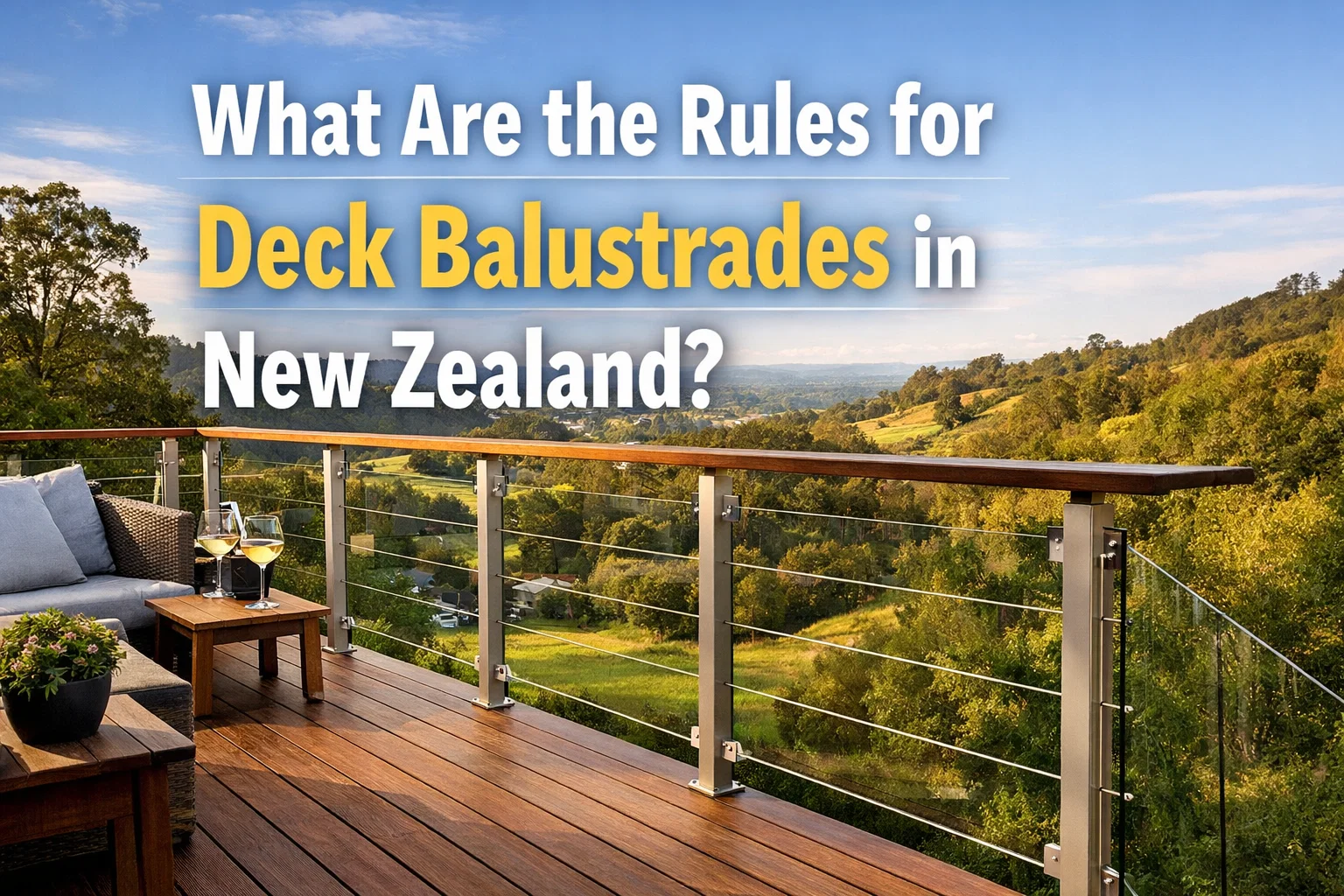
What Are the Rules for Deck Balustrades in New Zealand?

What Are the Rules for Deck Balustrades in New Zealand?

27/Jan/2026

In New Zealand, ensuring the safety and compliance of deck balustrades is not just a matter of aesthetics but also a legal requirement. Whether you're building a new deck or renovating an existing one, understanding the regulations surrounding deck balustrades is crucial for ensuring safety, as well as meeting legal requirements. New Zealand's building code sets out specific rules for deck balustrades to protect the health and safety of occupants and visitors.

This blog will explore the essential regulations and guidelines for deck balustrades in New Zealand, including key building code requirements, material options, and design considerations.

1. Regulations for Deck Balustrade Height

According to the New Zealand Building Code, deck balustrades must meet specific height requirements to ensure safety. For decks or balconies that are more than 1 meter above ground level, the minimum height for balustrades is set at 1 meter (1000mm). This regulation is crucial to prevent falls and ensure the safety of anyone using the deck.

For certain properties, such as residential decks that face public walkways or where children are likely to play, additional safety considerations may apply. It's essential to verify these details with a licensed builder or contractor familiar with local requirements.

  • Residential Decks (1 meter or more above the ground): Minimum height of 1 meter.

  • Balustrades on decks less than 1 meter high: A balustrade may not be required, but a barrier is necessary to prevent falls if there is any risk.

2. Load Resistance and Wind Requirements

Another key consideration is that deck balustrades must be designed to withstand specific loads, ensuring they are robust enough to handle the force of impacts, wind loads, and other external pressures.

  • Wind Load: Deck balustrades must be able to resist wind pressure according to the building’s location. In coastal areas, for example, where winds are stronger, the load resistance requirements are higher.

  • Load Resistance: The minimum load resistance required for balustrades is 0.75 kN/m (kilonewtons per meter), as specified by the New Zealand Building Code. This is critical to prevent any potential failure of the balustrade due to force exerted by people or other objects.

For glass pool fencing or frameless glass balustrades, it's essential to ensure the material used meets these load resistance standards. These materials are often preferred for their aesthetics, but they must meet the same structural requirements as traditional balustrades.

3. Safety Glass for Deck Balustrades

In New Zealand, toughened safety glass is the most commonly used material for deck balustrades. Not only does it provide a modern and sleek appearance, but it is also strong and designed to prevent injury in the event of a breakage. Safety glass shatters into small, blunt pieces that are less likely to cause serious harm.

The NZS 4211:2008 standard outlines the specific requirements for glass balustrades in terms of impact resistance and safety. If you're considering frameless glass balustrades for your deck, ensure that the glass used is toughened and laminated, as these offer better impact resistance.

Additionally, glass pool fencing must adhere to the same stringent safety glass requirements. This ensures that whether you're building a balustrade for a deck or a pool area, the glass will be safe and durable.

For more details on glass pool fencing and frameless glass balustrades, visit our Glass Pool Fencing and Glass Balustrade Auckland pages.

4. Spacing and Gaps Between Posts

The gap between the balustrade posts is an essential safety feature, particularly when children are present. According to the Building Code, the space between balustrade posts should not exceed 100mm. This regulation helps prevent children from slipping through or getting stuck between the posts.

In addition to post spacing, the glass panels used in balustrades must be properly secured. The NZS 4211:2008 standard specifies that glass balustrades should use high-quality fixings, such as clamps or channel systems, to ensure stability and compliance with safety standards.

5. Design and Aesthetic Considerations

While safety is the top priority, the design and aesthetics of the deck balustrade are also important. Glass balustrades are a popular choice in New Zealand due to their clean, modern look, which allows for unobstructed views of the surroundings.

  • Frameless Glass Balustrades: These provide a sleek, minimalist design and are ideal for properties with scenic views, as they don't block the view while maintaining safety.

  • Timber or Metal Balustrades: These materials are also used for deck fencing, offering a more traditional look. They are often chosen for their durability and the variety of design options available.

For those interested in frameless glass balustrades or glass pool fencing, it’s crucial to ensure that the design complies with the safety regulations while meeting your aesthetic needs.

6. Council Approval and Inspections

Before installing deck balustrades, council approval is often required. This is to ensure that the work complies with the New Zealand Building Code and local council requirements. A building consent application should be submitted, which includes providing details about the design and materials used.

Once the balustrades are installed, a building inspector will conduct an inspection to ensure compliance with the relevant safety regulations. It’s important to choose a reputable contractor who understands the regulatory framework and can guide you through this process to avoid delays or complications.

7. FAQs About Deck Balustrades in New Zealand

Q1: What are the height requirements for deck balustrades in New Zealand?
The minimum height requirement for deck balustrades is 1 meter (1000mm) for decks that are more than 1 meter above ground level. This ensures that the balustrade offers sufficient fall protection.

Q2: Can I use frameless glass for my deck balustrades?
Yes, frameless glass balustrades are a popular choice in New Zealand. However, the glass must meet safety standards, such as being toughened and laminated, and must comply with the NZS 4211:2008 standard for impact resistance.

Q3: What are the requirements for pool fencing in New Zealand?
Glass pool fencing in New Zealand must comply with similar standards as deck balustrades. The fence must be at least 1 meter high, with gaps between posts no larger than 100mm. Additionally, safety glass must be used, and the fence should be designed to resist wind and load pressures.

Q4: Do I need council approval for my deck balustrade installation?
Yes, in most cases, you will need to apply for building consent before installing deck balustrades. Once the installation is complete, a building inspector will verify compliance with safety regulations.


Read more

Coated Curved Glass Panels for Pool Fencing and Modern Architecture in New Zealand

Coated Curved Glass Panels for Pool Fencing and Modern Architecture in New Zealand

08/Jan/2026

Why Choose Coated Curved Glass Panels?

If you’re looking to elevate your property with stylish, durable, and safe glass fencing or balustrades, the Coated Curved Glass Panel is the perfect solution. Made from high-quality, NZ-certified safety glass, these panels provide both aesthetic appeal and exceptional functionality for various applications, including pool fencing, glass balustrades, and modern architectural designs. This blog will introduce you to the key features and benefits of this product and help you understand why it's becoming a preferred choice for homeowners and architects in New Zealand.
What Makes the Coated Curved Glass Panel Unique?

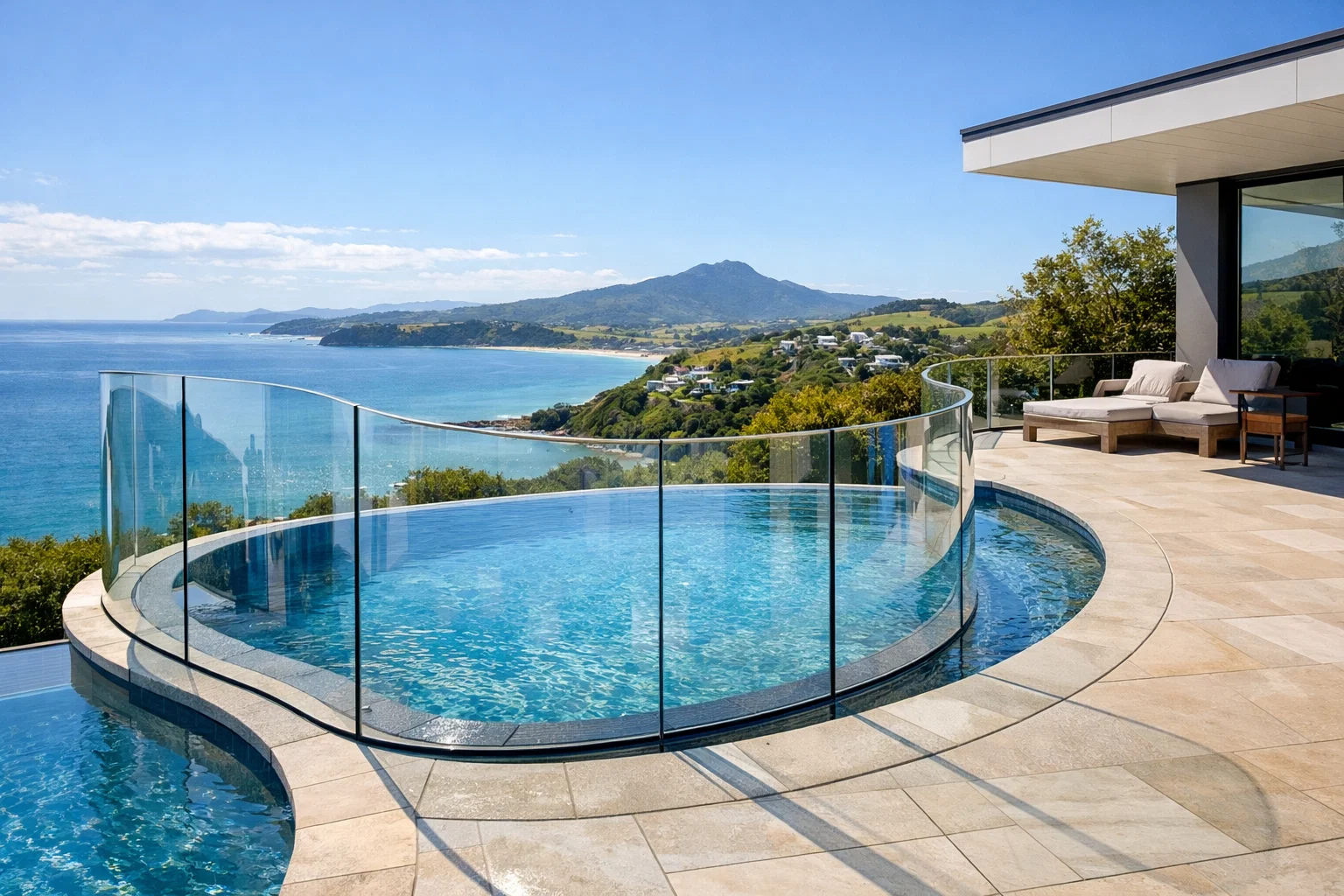
The Coated Curved Glass Panel is crafted from 12mm thick, clear NZ-certified safety glass and features a durable nano-coating on both sides. This coating not only enhances the glass's appearance but also adds protection against dirt, fingerprints, and water stains, making it incredibly easy to maintain.

With dimensions of 1200mm height and 1178mm width, and a curvature radius of 750mm, these panels offer a sleek, modern aesthetic that fits seamlessly into any design. The curved glass ensures that your pool area or balcony looks elegant while providing unobstructed views, making them ideal for creating a contemporary look with a timeless appeal.

Key Benefits of the Coated Curved Glass Panel

The Coated Curved Glass Panel is not only a visually striking choice for your home or business, but it also offers several practical benefits that make it stand out among other options. Let’s dive into what makes this product so special:

  • Enhanced Durability: The nano-coating on the glass provides superior protection against environmental elements such as rain, dirt, and UV rays. This ensures that your panels stay clear and vibrant over time, even in New Zealand’s changing weather.
  • Modern and Elegant Aesthetic: The curved design adds a sophisticated, fluid look to your pool fencing or balustrades. It’s a perfect solution for anyone wanting to enhance the appearance of their property with a modern touch.
  • Safety First: Made from NZ-certified safety glass, the panel meets all necessary safety standards for pool fencing and other applications. It provides a secure and sturdy barrier while maintaining an open, airy feel to your space.
  • Easy Maintenance: The nano-coating significantly reduces the accumulation of grime and stains, which means you’ll spend less time cleaning. A simple wipe with a damp cloth is usually enough to keep your panels looking brand new.

Perfect for Pool Fencing and Glass Balustrades

One of the most popular uses of the Coated Curved Glass Panel is in pool fencing. In New Zealand, strict regulations require pool fences to meet specific safety standards. The Coated Curved Glass Panel not only meets those standards but also adds an elegant and contemporary touch to your outdoor area.

Whether you’re designing a new pool area or upgrading an existing one, these panels create a sleek and secure enclosure that doesn’t block the view of your pool. The curved glass design gives your outdoor space a clean, fluid look, while ensuring that the safety and security of your pool are never compromised.
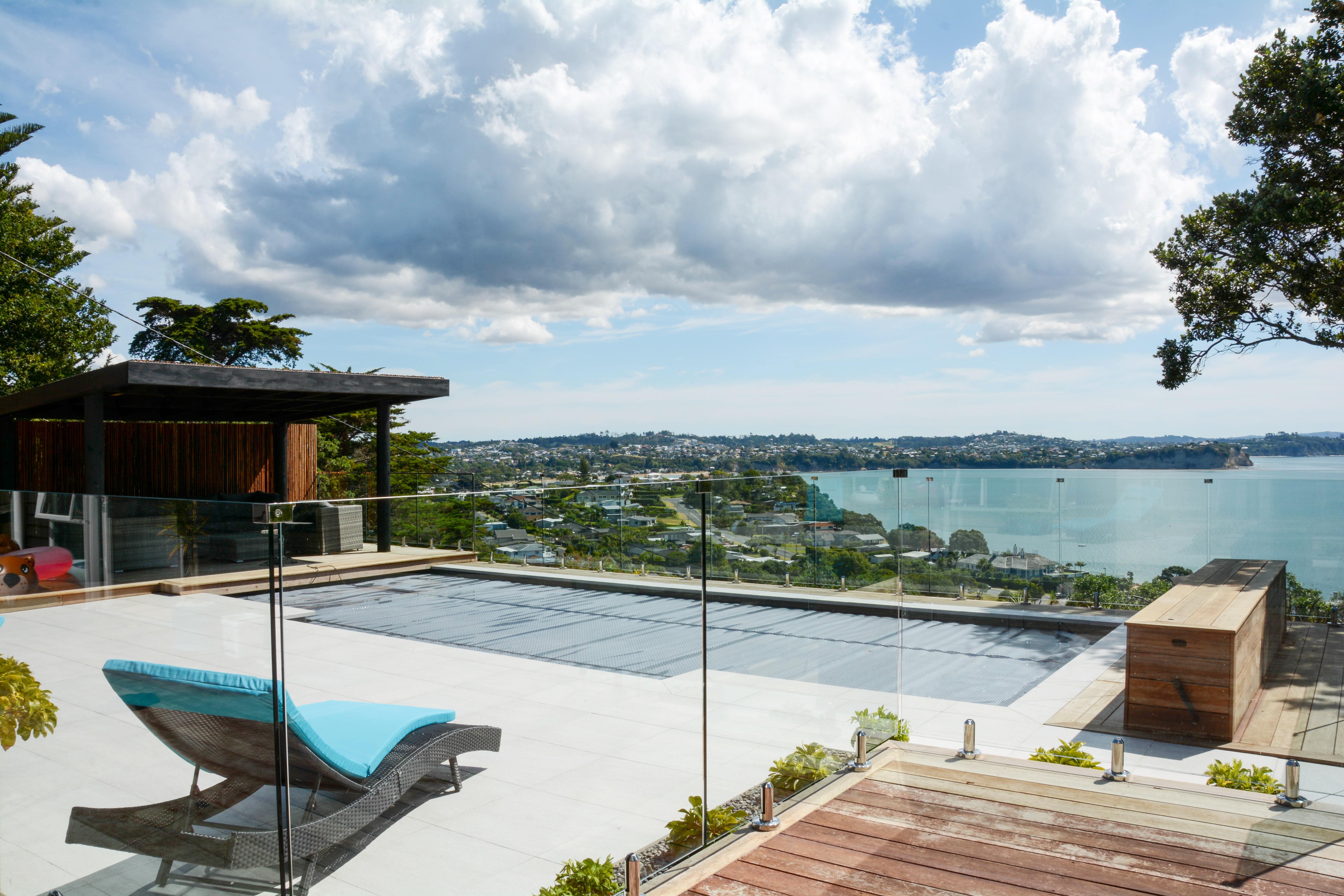
Beyond pool fencing, these panels also work wonderfully as glass balustrades. Ideal for balconies, staircases, or terraces, they provide a modern, open feel to any space while offering a safe barrier. The Coated Curved Glass Panel is a popular choice for homes with stunning views, as the glass doesn’t obstruct sightlines and enhances the overall aesthetic of your property.

If you're looking for additional options, explore our glass balustrades collection for more inspiration.

How to Install Coated Curved Glass Panels

Installing the Coated Curved Glass Panel requires careful planning and professional installation to ensure both safety and longevity. The following steps outline the general process:

  1. Measure the Installation Area: Accurate measurements are essential to ensure the panels fit perfectly. The curved design requires careful attention to the installation area to ensure the glass is securely supported.
  2. Install the Support Frame: A solid frame or support system is needed to secure the glass panels. Ensure that the frame is level and securely anchored to provide the necessary support for the panels.
  3. Position the Glass Panels: Carefully place the panels into the frame, ensuring they align perfectly with the surrounding structure. It’s important that the panels are fitted properly to ensure stability and safety.
  4. Final Check and Adjustment: After installation, check the panels for stability and alignment. Make any necessary adjustments to ensure that the glass is secure and the installation is complete.

We highly recommend working with a professional installer to ensure the panels are safely and correctly installed. If you need help with installation or have any questions, don’t hesitate to contact us for expert guidance.

Coated Curved Glass Panel: Ideal for Various Architectural Designs

In addition to being a fantastic option for pool fencing and glass balustrades, the Coated Curved Glass Panel is also ideal for other architectural and landscaping applications. Its versatile design allows it to be incorporated into a variety of projects, including:

  • Garden Walls: Use the curved glass panels as part of a garden wall to create a visually striking feature that blends with the natural landscape.
  • Terraces and Roof Gardens: For rooftop or terrace gardens, the panels provide safety and a modern look without obstructing the view.
  • Landscaping Features: Incorporate the panels into outdoor spaces to define different areas, such as separating a seating area from a garden or pool.

Thanks to the coated curved glass panel’s durability, ease of maintenance, and aesthetic appeal, it’s the perfect choice for any project that demands a high-quality, stylish, and functional solution.

Order Your Coated Curved Glass Panels Today!

The Coated Curved Glass Panel is available now, with stock currently at 10+ units. Priced at NZ$358.20 + GST, it’s a great investment for anyone looking to upgrade their outdoor space or add modern glass features to their property.

For more information about the Coated Curved Glass Panel or to place an order, visit the product page: Coated Curved Panel 1200mmH-1178mm W - Radius 750mm.

If you have any questions or need assistance with your purchase, don’t hesitate to contact us.

Conclusion

The Coated Curved Glass Panel offers the perfect combination of beauty, safety, and functionality. Whether you’re enhancing your pool area, creating a modern balustrade, or incorporating the panels into your landscaping design, this product will provide a stylish and durable solution. Order yours today and transform your property with this high-quality, contemporary product.


Read more